The short version
Fly control in West Virginia works best when you treat the building and the ground around it, not the flies. The state's older, affordable housing stock comes with unsealed basements, original drain lines, and gaps in the envelope, and 42 inches of annual rain keeps the soil around those foundations damp enough to feed larvae for most of the year.
- Statewide climate context cannot identify a property-level source.
- Adult knockdown does not remove larval habitat.
- Commercial programs should document zones, counts, findings, and corrective actions.
- Confirm provider credentials, scope, pricing, and follow-up in writing.
- Research: Local quotes vary; ask for a written estimate. S. guide estimates fruit-fly treatment at $100 to $175, cheaper than house flies or drain flies; because the figure is a publisher estimate rather than verified spending, treat it as a reference point.
Written for West Virginia homeowners in older houses with block or stone basements, renters in Charleston and Huntington buildings where drains are shared between units, and anyone with a hillside lot where water collects at the base of the house. If you keep chickens, horses, or a large compost pile, the sections on renewing sources apply directly to you.
What to look for
Fungus gnats live in overwatered potting soil. The climate here supports all of them without being extreme about any. At a median summer high of 84 degrees, West Virginia sits in the middle of the development curve most of the season, but Texas A&M AgriLife Extension notes that house flies can finish egg to adult in about seven days once temperatures reach the mid-nineties. During a hot spell in July or August, a neglected bin runs at that pace. The rest of the year it runs slower, which is why problems here tend to build quietly and then jump during a heat wave. The word fly covers insects that share almost nothing. House flies, blow flies and flesh flies grow up outside in manure, pet waste, garbage, clippings, or a carcass. Drain flies never leave the plumbing, feeding on the residue coating pipe walls. Phorid flies take any wet decaying matter, from a leaking line under a basement floor to soaked soil against a foundation.
- 1Flies that keep appearing in a basement stairwell no matter how often you sweep it.
- 2Small hairy flies sitting motionless on damp block walls near a floor drain.
- 3Tan flies with a humped profile darting across concrete instead of flying up.
- 4Speckled marks accumulating on a kitchen window frame within days of cleaning.
- 5A crowd of large green flies appearing in an upstairs room during warm weather.
- 6Flies concentrated at the base of a wall where the floor stays cool and damp.
Why it’s worth acting soon
- House flies feed on waste and then walk on food, and a warm West Virginia summer gives them plenty of trips.
- Persistent phorid flies mean water is still getting under or into the structure.
- Blow flies indoors mean a carcass is still decomposing somewhere in the building.
- A restaurant or shop with flies in view can lose ground on its next health inspection.
- A source ignored through August produces several generations before the weather turns.
can carry pathogens from waste to food surfacesHouse fliesUS CDC Treatment options and typical costs
Source removal and sanitation correction
Provider quote required
Remove or physically clean the organic material supporting development, then correct the handling practice that allowed it to accumulate.
- Time
- Depends on access and source complexity
- Best for
- Confirmed waste, drain, food-residue, animal, or organic-material sources
Exclusion and operating changes
Provider quote required
Repair screens and door gaps, improve door practices and air movement, relocate attractants, and reduce entry opportunities.
- Time
- Often staged with maintenance work
- Best for
- Exterior pressure and entry-driven patterns
Monitoring and targeted control
Provider quote required
Use correctly placed devices to measure activity and support a treatment tied to the identified species and source.
- Time
- Single assessment or continuing program
- Best for
- Commercial facilities and recurring or unclear patterns
Plumbing or structural investigation
Separate inspection or contractor quote may apply
Escalate when evidence suggests damaged drains, sub-slab moisture, concealed animal material, or another inaccessible source.
- Time
- Varies by diagnostic work and repair
- Best for
- Persistent activity without an accessible source
Prices are typical published ranges. Ask what’s included before you compare quotes.
 Under-sink leaks and forgotten food under cabinets can keep small flies going.
A West Virginia source-inspection sequence.
Inspect entry routes, waste, animal areas, drains, beverage or food residue, cleaning tools, condensate, and concealed-source clues. Retain a specimen or clear photograph when identification is uncertain. Record the affected rooms or zones, approximate counts, time, and fly appearance.
flies activity by season.
In West Virginia, checking the foundation, gaps around doors and windows, and any moisture or clutter near the structure usually turns up the conditions that are letting them in. Scheduling before the busy stretch, rather than after it, tends to mean faster service and a more accurate quote, and a local provider can point out the conditions that matter most in West Virginia. The most useful first step in West Virginia is to note where you have seen flies and when they appear, because that timeline is what lets a provider focus on the right area instead of treating the whole property.
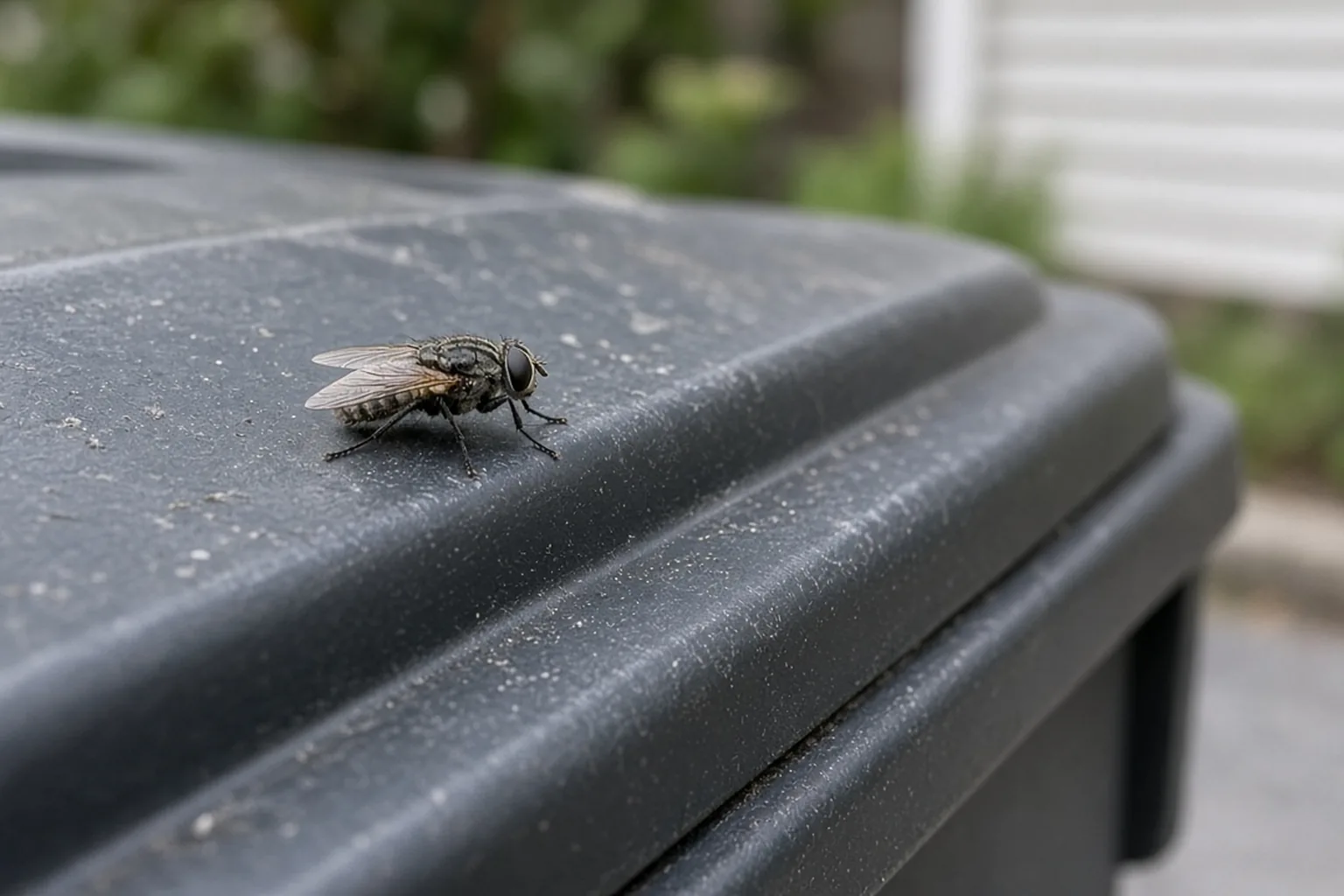 Trash bins are the top source in summer. Keep lids closed and rinse bins every week or two.
Small flies near drains and wet areas.
Organic film inside drains, overflows, beverage equipment, mop areas, leaks, and other persistently wet locations can support different small flies. Physical cleaning and repair address the material; adult treatment alone does not. Confirm the developmental site before treating.
Larger flies near waste, doors, or windows.
Trace waste handling, animal material, door and screen conditions, loading activity, and any sudden localized emergence. Window concentrations may show where light-seeking adults collect without proving where they developed.
Commercial monitoring that supports decisions.
Number devices, map zones, record counts by date, document sanitation and structural findings, assign corrective actions, and compare follow-up counts. Device placement should support the plan without increasing entry or contamination risk.
How to compare West Virginia providers.
Confirm the company performing the work, applicable credentials, inspection charges, treatment scope, preparation requirements, products, follow-up terms, and written warranty language, if any. Ask what observation supports each recommendation.
What this guide does not claim.
This page is not a West Virginia surveillance report, a record of local inspections, a provider coverage written terms, a citywide or statewide price study, or evidence of treatment outcomes. First-party figures require a source system, date range, sample size, method, and reviewer.
What affects the price
- Species identification and affected zones.
- Property type, size, access, and sanitation complexity.
- Accessibility of drains, waste areas, attics, wall voids, and utility spaces.
- Need for exclusion, repair, cleaning, equipment movement, or monitoring.
- One-time inspection versus continuing commercial service.
- Follow-up and written warranty terms, if offered.
📊
Where are flies most concentrated?
When to call for help
Get someone involved when the flies come back after you have cleaned every drain and bin you can reach, when small flies gather along a damp basement wall, or when large shiny flies suddenly fill a room. Each of those points to a source you cannot see. It is also worth calling if the basement smells of sewage after rain, which suggests a broken or backing line rather than a pest issue. Ask for an inspection before a price. Then ask the provider to tell you which fixture, which wall, or which part of the yard is producing larvae, and to write that down alongside the treatment plan.
What you can do yourself
In older housing that second category comes up more often than people expect. A reasonable division of labor is that you own the sanitation, the water routing you can reach, and the screens, and you pay someone to locate a hidden source and treat plumbing you cannot open. Aerosol sprays clear the air for a day and leave every larva alive, which just resets the clock. A drain line under a basement slab, soil behind a block wall, a raccoon dead in a soffit: none of those respond to effort applied from the room. What sits beyond DIY is anything hidden or structural. Brush the traps you can open, run water into the basement drain that has been dry since March, extend the downspouts, lid the trash, and pick up after animals more often. Much of this is a weekend of work rather than a service contract.
Flies in West Virginia
That matters because wet soil next to a house is prime phorid habitat and a damp basement is prime drain fly habitat. Add 70 percent median humidity, which keeps clippings and compost from ever fully drying, and you get sources that persist between rains rather than resetting. The upside of the state's older, affordable housing is access: most of these basements are open, the pipes are visible, and a person with a flashlight and a brush can reach a real share of the problem without opening a wall. Terrain and building age drive fly problems in West Virginia more than temperature does. Many of the state's cities sit in river valleys and along hillsides, and Charleston, Huntington, Morgantown, Parkersburg and Wheeling all combine sloped ground with older neighborhoods. Water moves downhill and collects where the grade flattens, which is frequently right against somebody's foundation.
Fly tips from the experts
Where are the flies coming from?
The kind of fly tells you where to look. Around West Virginia, note its size, where it gathers and when it shows up. Then go after the source.
Small flies near drains
Tiny, fuzzy flies near a sink or shower usually breed in the slimy film inside the drain. Scrub the drain with a stiff brush. Spraying the adults won’t stop them.
UC IPM: drain fliesHouse flies around doors and trash
House flies breed in garbage, pet waste and rotting plants. Clear those out first, then add screens and keep doors closed. Traps help, but they don’t fix the source.
EPA: managing fliesWarm weather speeds things up
In warm weather, flies go from egg to adult faster. Take trash out often, rinse bins, and keep screens in good repair. Sprays are a last resort, not a fix.
UC IPM: nuisance fliesBased on guidance from university extension services and the EPA.
How we check our sourcesSimple ways to keep flies away
- Extend downspouts several feet so runoff does not soak the ground against a foundation.
- Pour a pitcher of water into the basement floor drain monthly so the trap seal stays intact.
- Brush accessible sink and tub traps each spring before the warm season builds.
- Keep firewood and clipping piles off the foundation where they trap moisture.
- Cover the compost and turn it so it heats through rather than staying a wet mat.
- Repair or replace torn window screens on older sashes before June.
- Screen chimney tops and gable vents so animals cannot die inside a cavity.
- Store animal feed and bedding on pallets in a dry outbuilding rather than on bare ground.
 A good quote names the fly, the source, and what will be cleaned, sealed or treated.
Did you know?
House fly maggots can complete their feeding stage in three days when the material they are in stays warm.
Blow fly adults typically appear one to two weeks after the maggots become visible, which lets you date the source.
House fly development slows to roughly six weeks when temperatures hover near 60 degrees.
Questions people ask
What fly problems occur in West Virginia?
Several fly groups may occur, but their importance varies by region, season, property, and source. Identification and the sighting pattern are more useful than assuming one statewide problem.
Does West Virginia weather identify the source?
No. Weather can affect activity and development, but it does not prove where flies are breeding.
How much does fly control cost?
This site does not publish an invented statewide price. Obtain a written scope and quote from the provider performing the work.
Will spraying visible flies solve the problem?
Adult treatment may reduce visible activity, but it does not remove larval habitat or correct entry.
How should a commercial program be documented?
Use a zone map, numbered monitoring devices, dated counts, findings, assigned corrective actions, and follow-up records.
Does Fly Exterminator perform treatments?
No. Confirm identity, credentials, service area, charges, products, and terms directly.
Why do I suddenly have big shiny flies in my house?
Metallic blue or green flies are usually blow flies, which breed in decaying meat, carrion and garbage. They are common indoors: Bertone and colleagues found blow flies in 48% of the 50 North Carolina homes they searched in 2012, a small regional sample that measured presence, not infestation. A sudden indoor cluster in one area often means a dead rodent or bird in a wall, chimney or attic. Finding and removing the source usually ends the problem within days.
How common are nuisance insects in apartment buildings?
More common than complaints suggest. When Wang and colleagues monitored 1,581 low-income apartments across 19 New Jersey buildings in 2018 and 2019, published in 2023, 42% of units had nuisance arthropods caught in traps, even though only 13% of interviewed residents reported seeing any. The nuisance group excluded cockroaches and bed bugs, and the study describes related indoor pests rather than fruit flies specifically. Monitoring traps in common areas can reveal problems before tenants notice them.
Sources (17)
The facts in this article come from the public sources listed above. Every home is different, so ask the company you talk to about pricing and what’s included. Published by Fly Exterminator · Updated September 11, 2026 · How we write these guides