Around Connecticut
Conditions vary across the state. Choose your city below, then describe what’s happening around your home or business.
Local fly information
Learn what to look for around your property, explore your city, and ask about an inspection or a quote.
Conditions vary across the state. Choose your city below, then describe what’s happening around your home or business.
Where you see flies, how long it has been going on, and anything you’ve already tried are the most useful details to mention.
Ask about an inspection, what treatment would involve, and whether follow-up visits are included. You don’t need to identify the problem yourself before getting in touch.
Before you compare quotes, it helps to know which flies actually live in Connecticut, when they are busiest, and what the state figures look like. Everything below links to the agency or university page it came from.
Larger and much slower than a house fly, which is the field mark homeowners use.
UConn Home & Garden Education CenterMultiple summer generations build the population that moves into attics in fall.
UConn Home & Garden Education CenterExplains why Connecticut attic flies reappear on the first mild day in February.
UConn Home & Garden Education CenterCluster flies enter buildings in fall as temperatures fall through the mid 50s and re-emerge indoors on warm days through winter and early spring.
UConn: lawn insecticides do not control cluster flies because adults do not rest on treated turf long enough; caulk and screen window sills and attic openings instead, and remove dead flies so carpet beetles do not follow.
Sources: UConn Home & Garden Education Center; Texas A&M AgriLife Extension; University of New Hampshire Extension; Flies (Home and Landscape). Figures are quoted as the source prints them. How we check our sources

Humid Continental · suburban setting
Read the local guide →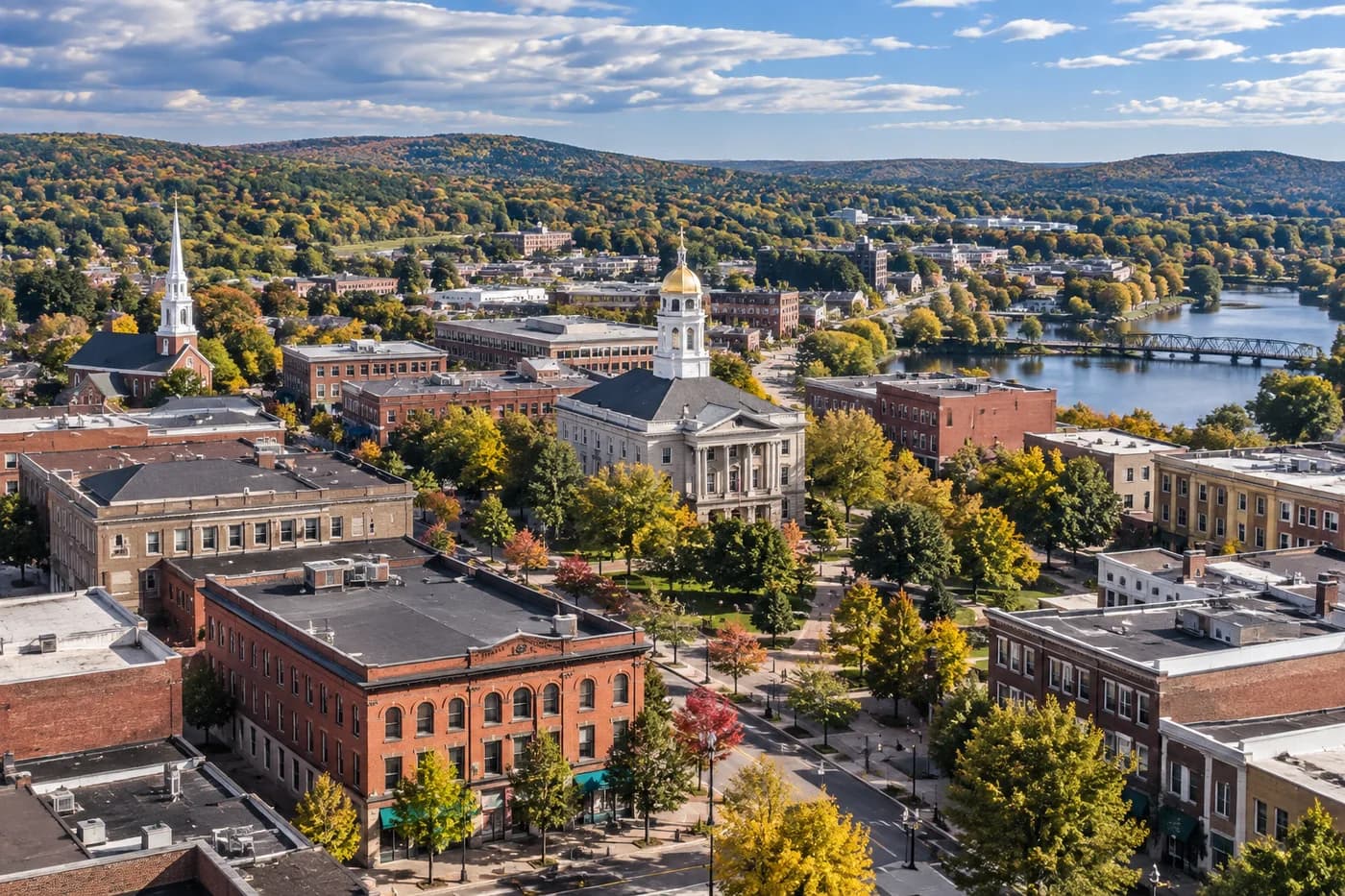
Humid Continental · urban setting
Read the local guide →
Humid Continental · suburban setting
Read the local guide →
Humid Continental · urban setting
Read the local guide →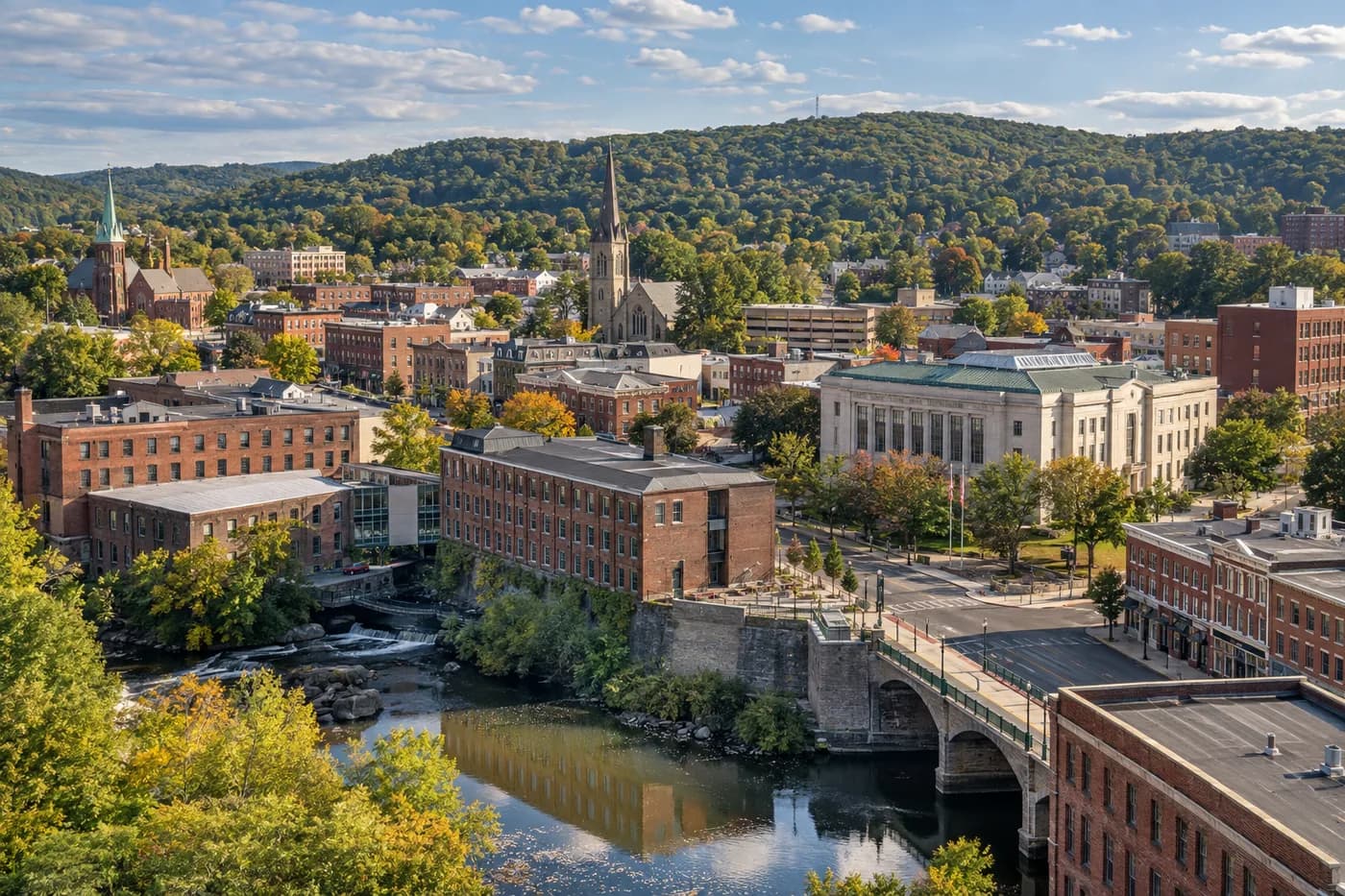
Humid Continental · suburban setting
Read the local guide →
Humid Continental · suburban setting
Read the local guide →
Humid Continental · suburban setting
Read the local guide →
Humid Continental · urban setting
Read the local guide →
Humid Continental · urban setting
Read the local guide →
Humid Continental · urban setting
Read the local guide →
Humid Continental · suburban setting
Read the local guide →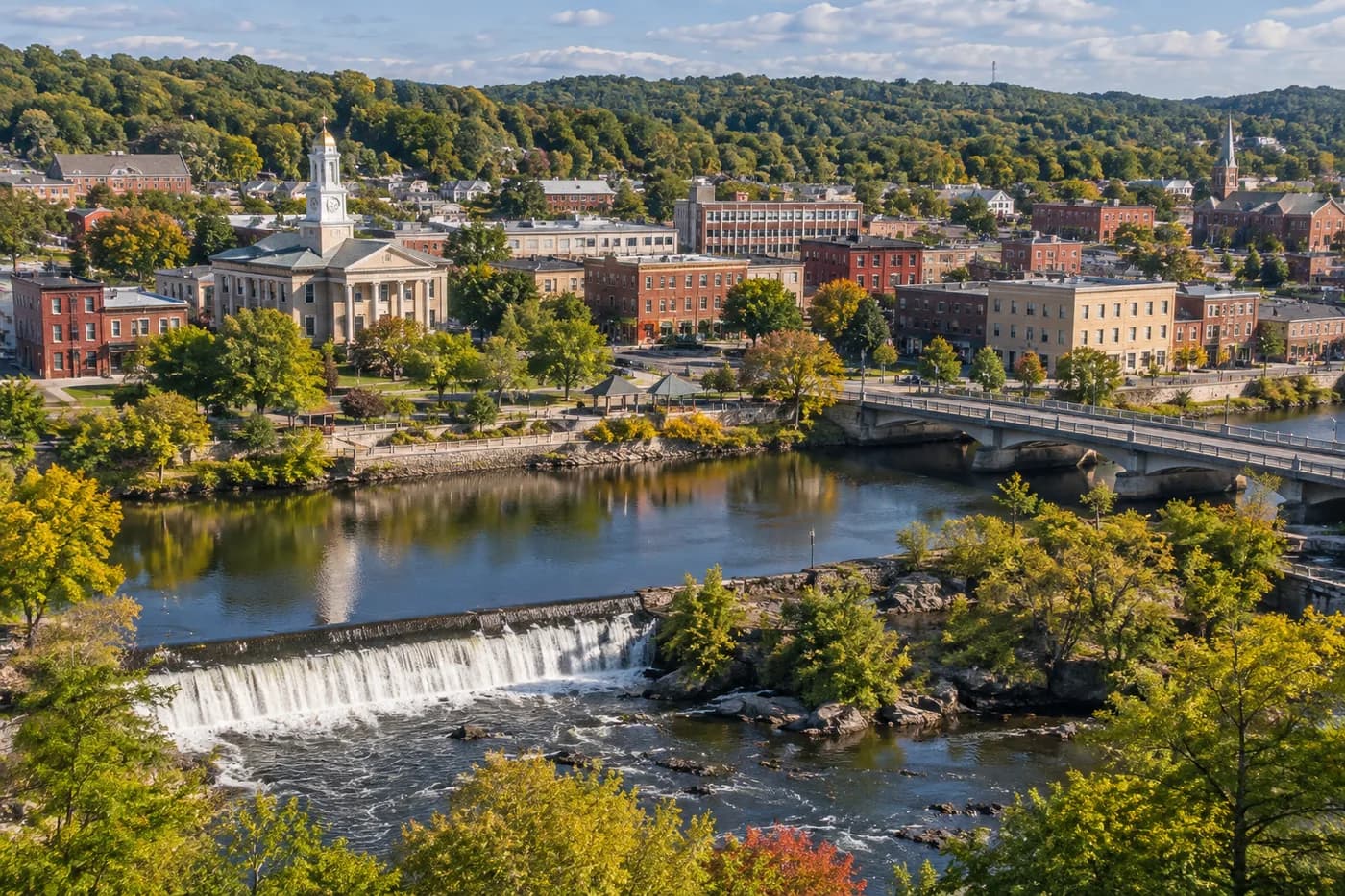
Humid Continental · suburban setting
Read the local guide →
Humid Continental · urban setting
Read the local guide →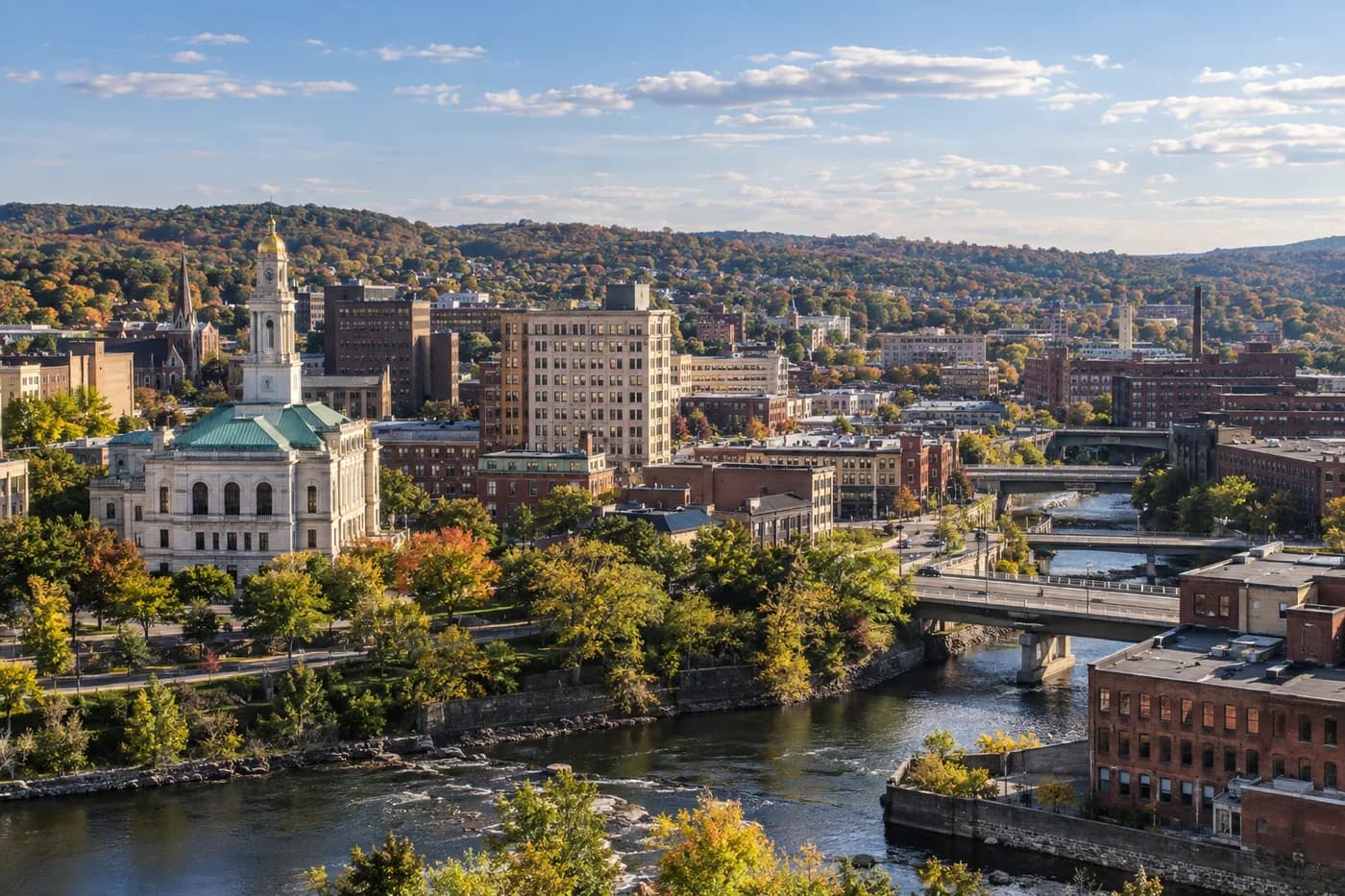
Humid Continental · urban setting
Read the local guide →
Humid Continental · suburban setting
Read the local guide →
Humid Continental · suburban setting
Read the local guide →
Humid Continental · suburban setting
Read the local guide →