Around Idaho
Conditions vary across the state. Choose your city below, then describe what’s happening around your home or business.
Local fly information
Learn what to look for around your property, explore your city, and ask about an inspection or a quote.
Conditions vary across the state. Choose your city below, then describe what’s happening around your home or business.
Where you see flies, how long it has been going on, and anything you’ve already tried are the most useful details to mention.
Ask about an inspection, what treatment would involve, and whether follow-up visits are included. You don’t need to identify the problem yourself before getting in touch.
Before you compare quotes, it helps to know which flies actually live in Idaho, when they are busiest, and what the state figures look like. Everything below links to the agency or university page it came from.
Idaho has one of the largest dairy herds in the country, and confined dairy manure is the single biggest filth fly source in the Magic Valley.
USDA National Agricultural Statistics ServiceDrying out a manure or bedding source below that moisture level stops the breeding.
Pacific Northwest Extension (Oregon State University, Washington State University, University of Idaho)Spring fly pressure in Idaho comes from last fall's manure, so winter cleanup pays off in May.
Pacific Northwest Extension (Oregon State University, Washington State University, University of Idaho)Filth flies overwinter as larvae or pupae and emerge as spring temperatures rise, with peak pressure in summer near dairy and feedlot manure.
PNW 770, a joint Oregon State, Washington State, and University of Idaho publication, treats fly management as source removal first: locate the larval medium with light traps and drain covers before treating adults.
Sources: USDA National Agricultural Statistics Service; Pacific Northwest Extension (Oregon State University, Washington State University, University of Idaho); Indoor Flies and Their Control; University of New Hampshire Extension; Flies (Home and Landscape). Figures are quoted as the source prints them. How we check our sources
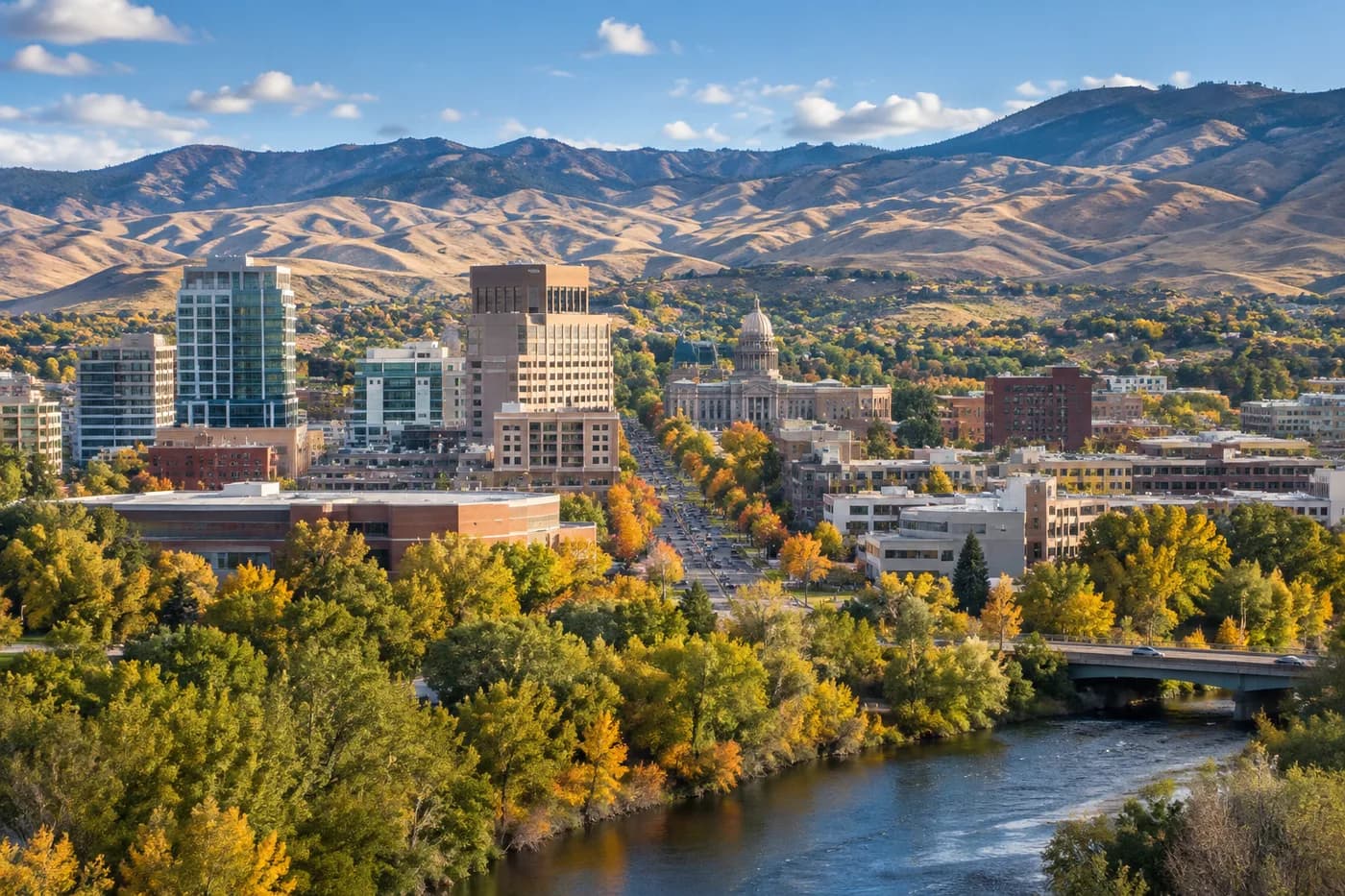
Semi-Arid Continental · urban setting
Read the local guide →
Semi-Arid Continental · suburban setting
Read the local guide →
Humid Continental · suburban setting
Read the local guide →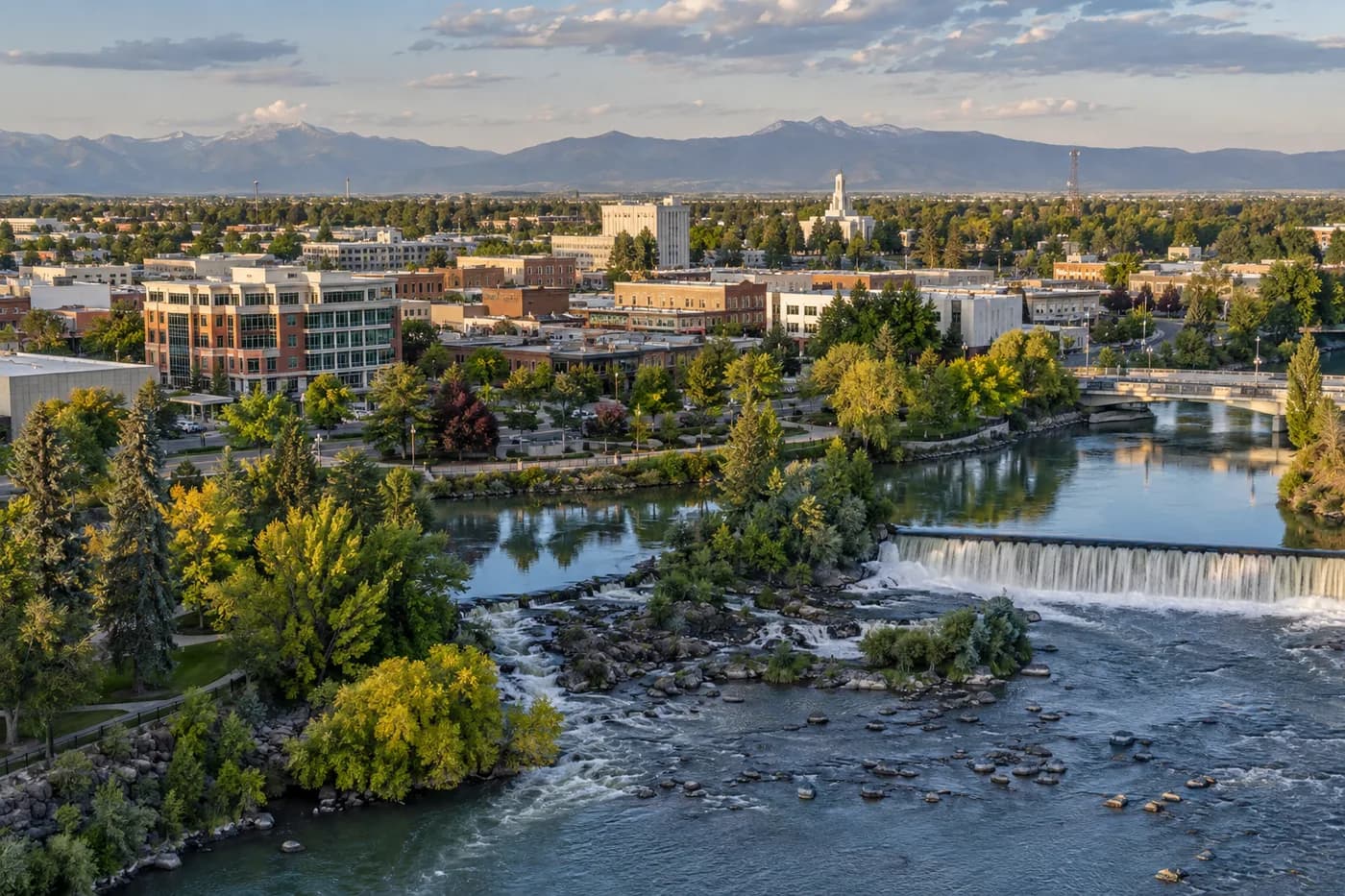
Semi-Arid Continental · suburban setting
Read the local guide →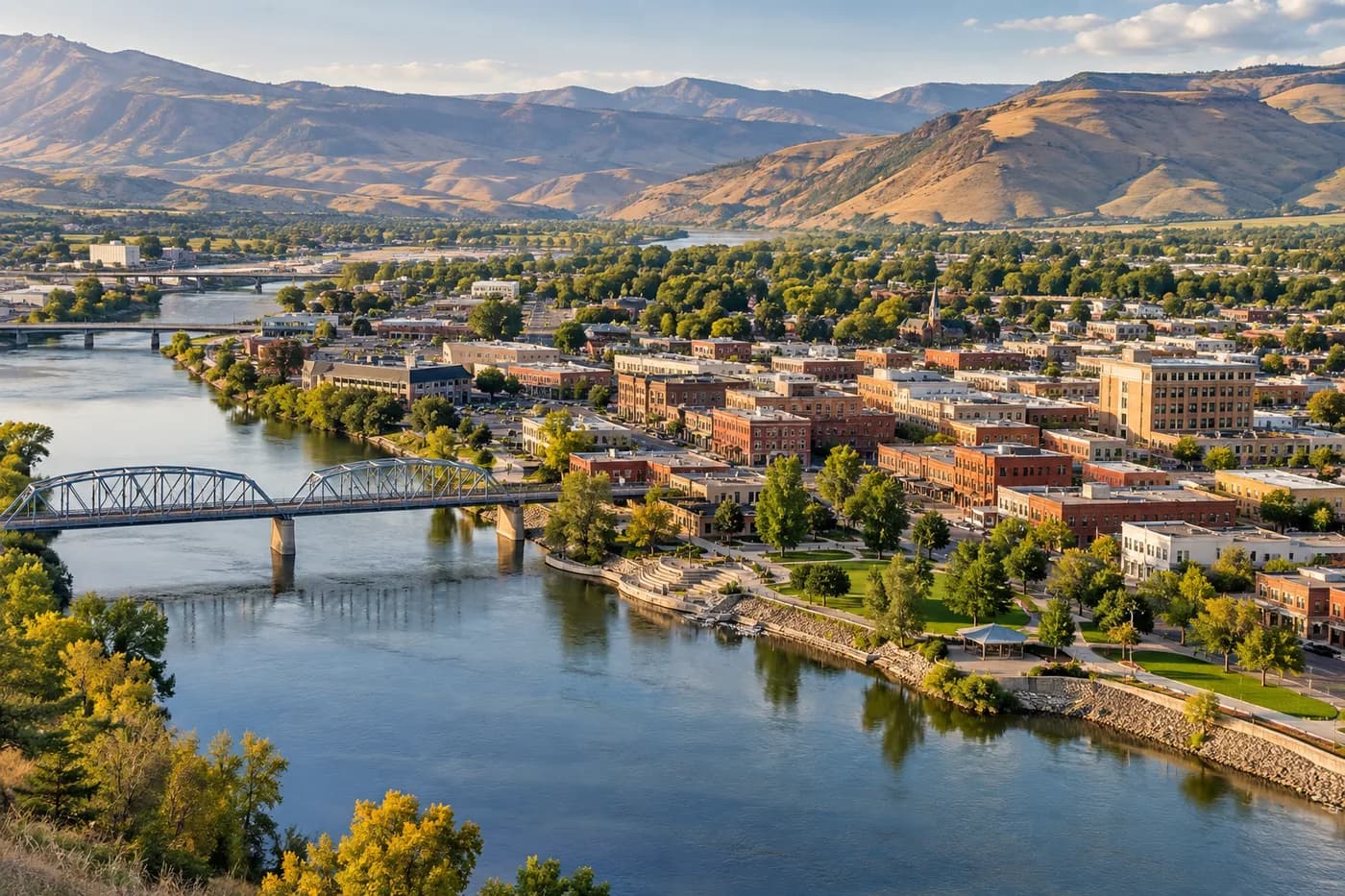
Semi-Arid Continental · suburban setting
Read the local guide →
Semi-Arid Continental · suburban setting
Read the local guide →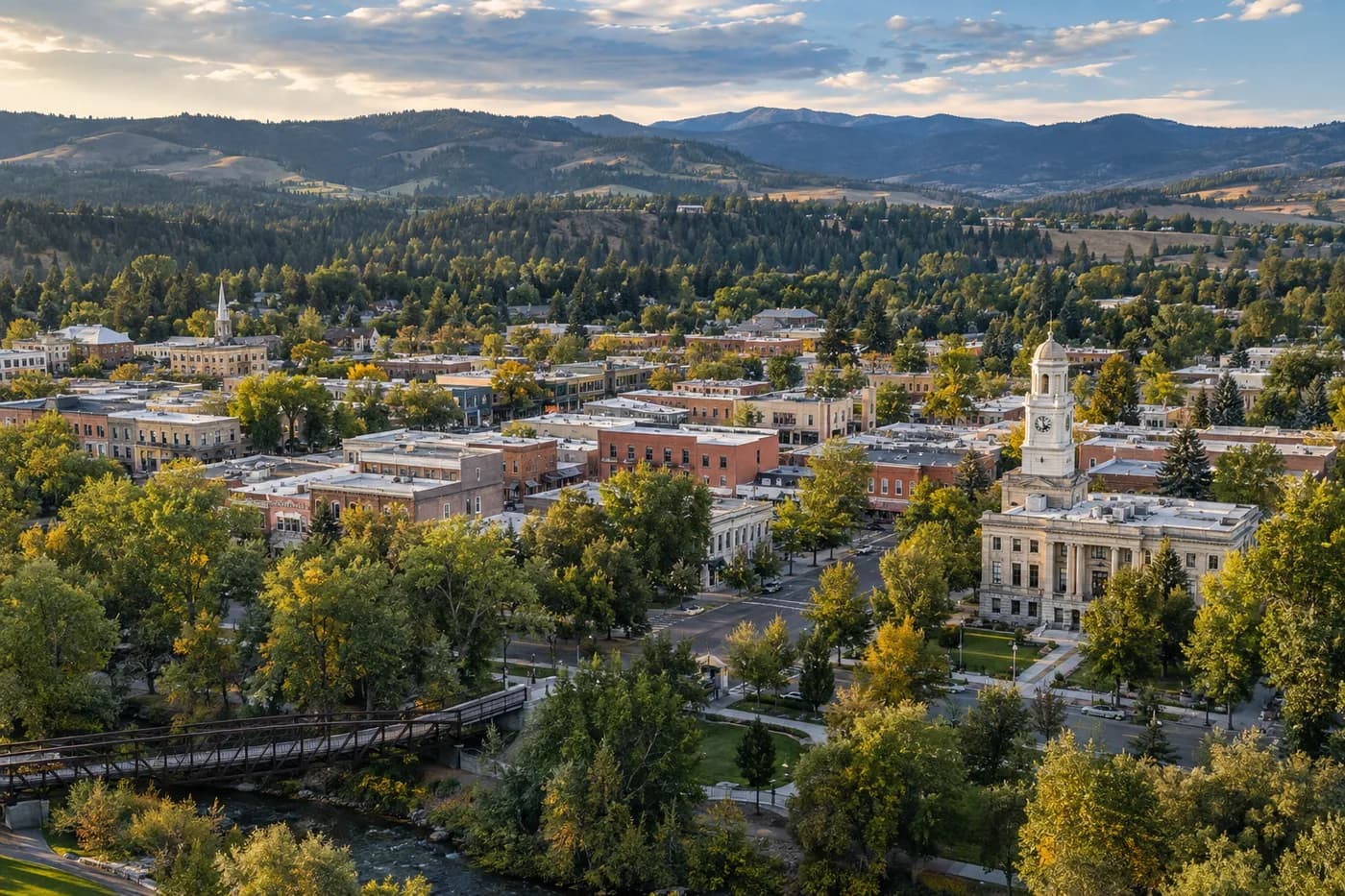
Warm Summer Continental · suburban setting
Read the local guide →
Semi-Arid Continental · suburban setting
Read the local guide →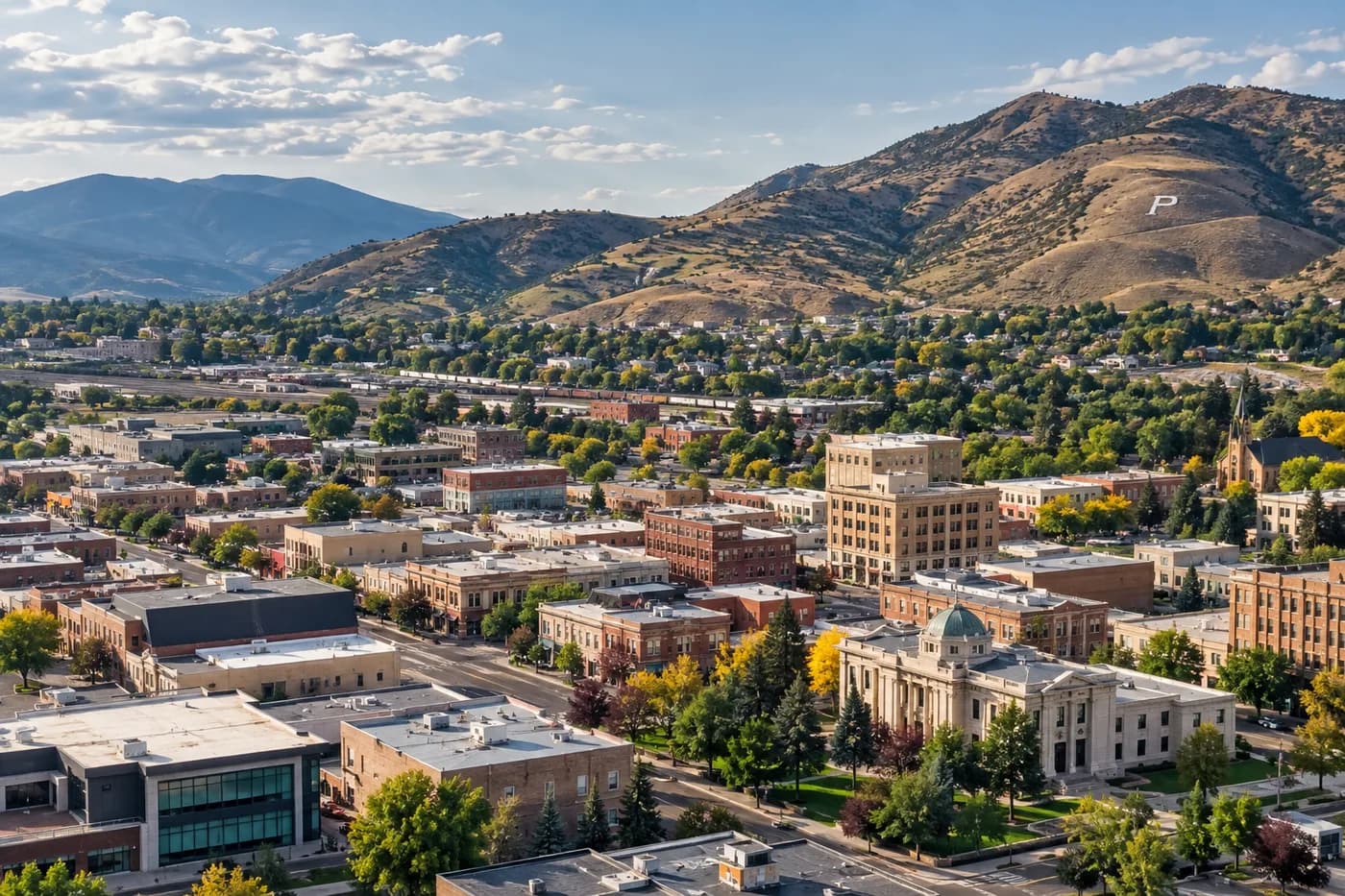
Semi-Arid Continental · suburban setting
Read the local guide →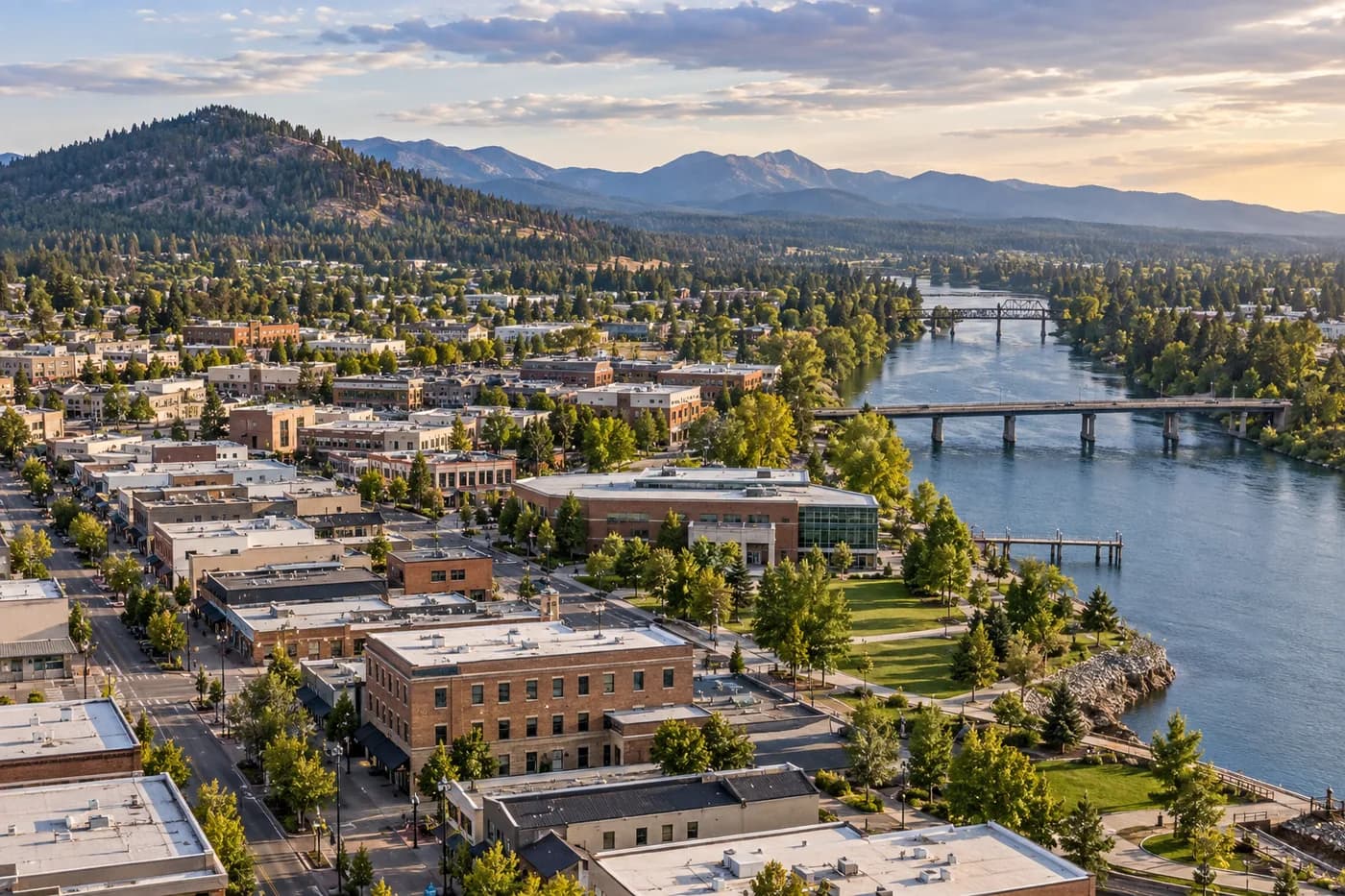
Humid Continental · suburban setting
Read the local guide →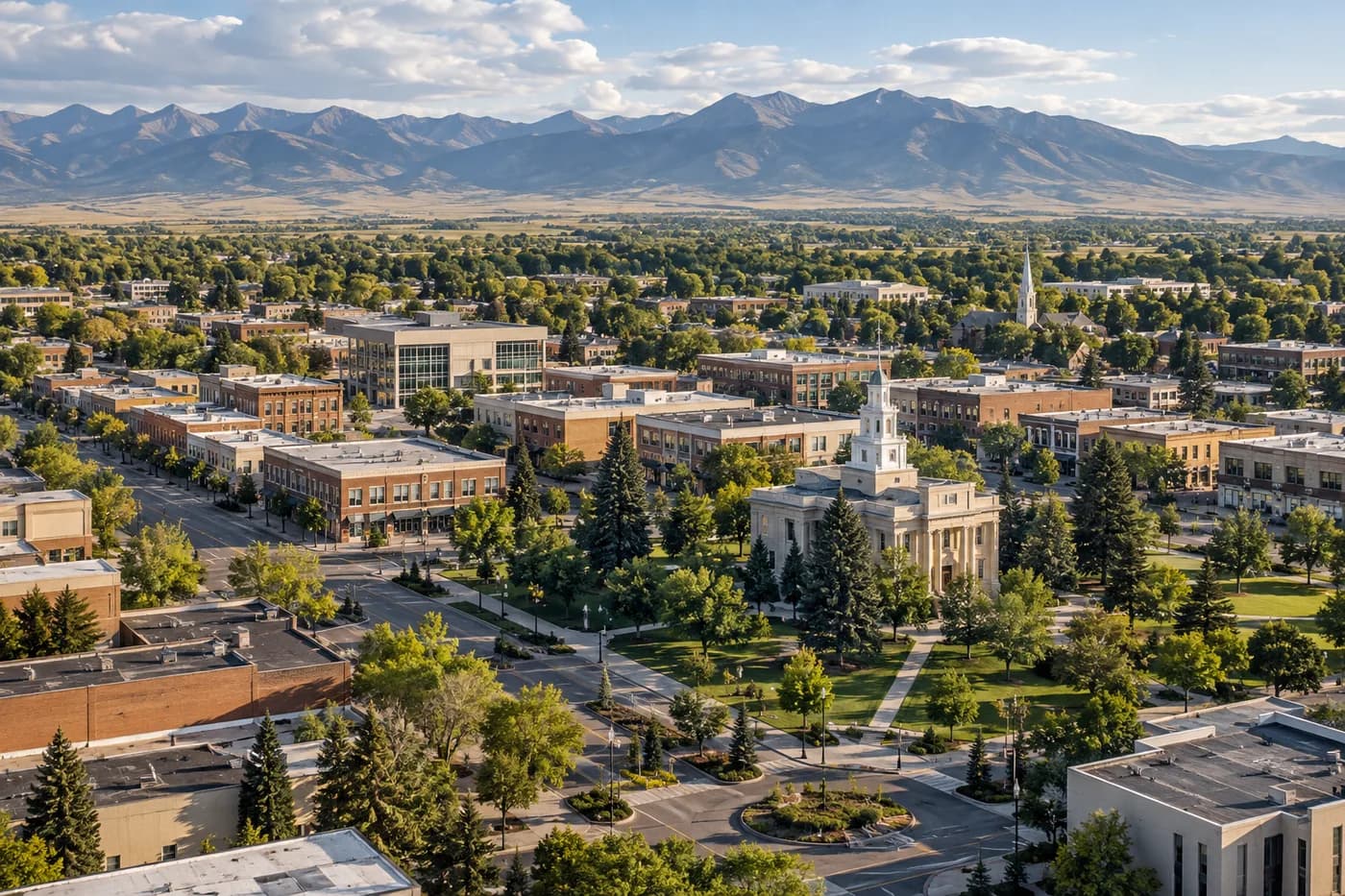
Warm Summer Continental · rural setting
Read the local guide →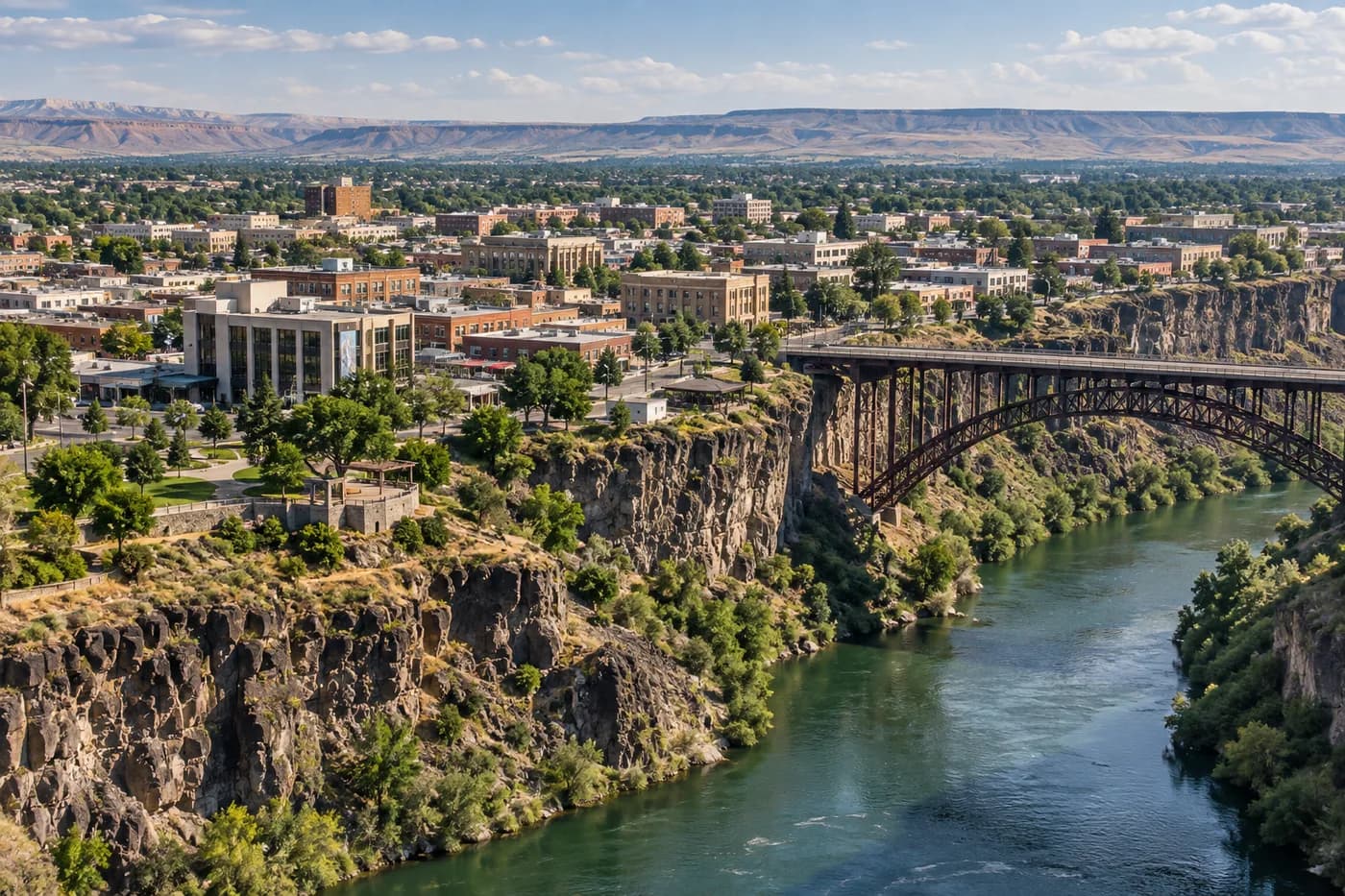
Semi-Arid Continental · suburban setting
Read the local guide →
Semi-Arid Continental · rural setting
Read the local guide →