Around Iowa
Conditions vary across the state. Choose your city below, then describe what’s happening around your home or business.
Local fly information
Learn what to look for around your property, explore your city, and ask about an inspection or a quote.
Conditions vary across the state. Choose your city below, then describe what’s happening around your home or business.
Where you see flies, how long it has been going on, and anything you’ve already tried are the most useful details to mention.
Ask about an inspection, what treatment would involve, and whether follow-up visits are included. You don’t need to identify the problem yourself before getting in touch.
Before you compare quotes, it helps to know which flies actually live in Iowa, when they are busiest, and what the state figures look like. Everything below links to the agency or university page it came from.
Iowa homeowners have a narrow window to seal the house before the September move indoors.
Iowa State University Extension and Outreach Yard and GardenThe same house gets hit every year, which is why owners assume the flies are breeding inside.
Iowa State University Extension and Outreach Yard and GardenAn indoor blow fly wave runs about two weeks from the death of the animal and does not reinfest.
Iowa State University Extension and Outreach Yard and GardenThree cluster fly generations per summer with the final one entering buildings mid to late September; filth fly pressure peaks in summer near hog and cattle confinements.
Iowa State Extension: cluster flies hibernate inside walls and under insulation where treatments cannot reach, so seal under eaves and around windows during summer and, if needed, treat the exterior in mid-September.
Sources: Iowa State University Extension and Outreach Yard and Garden; Indoor Flies and Their Control; University of New Hampshire Extension; Flies (Home and Landscape). Figures are quoted as the source prints them. How we check our sources
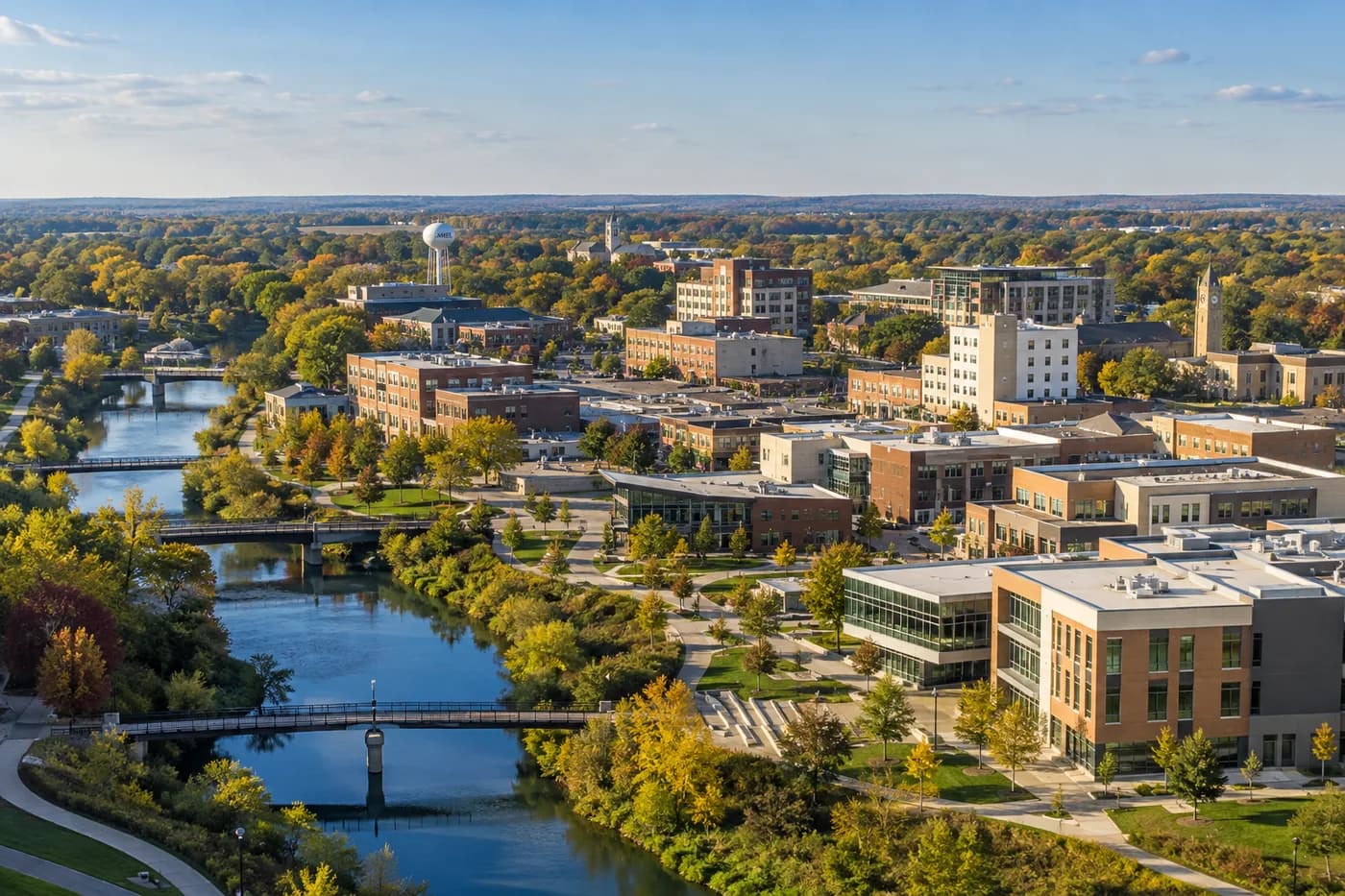
Humid Continental · suburban setting
Read the local guide →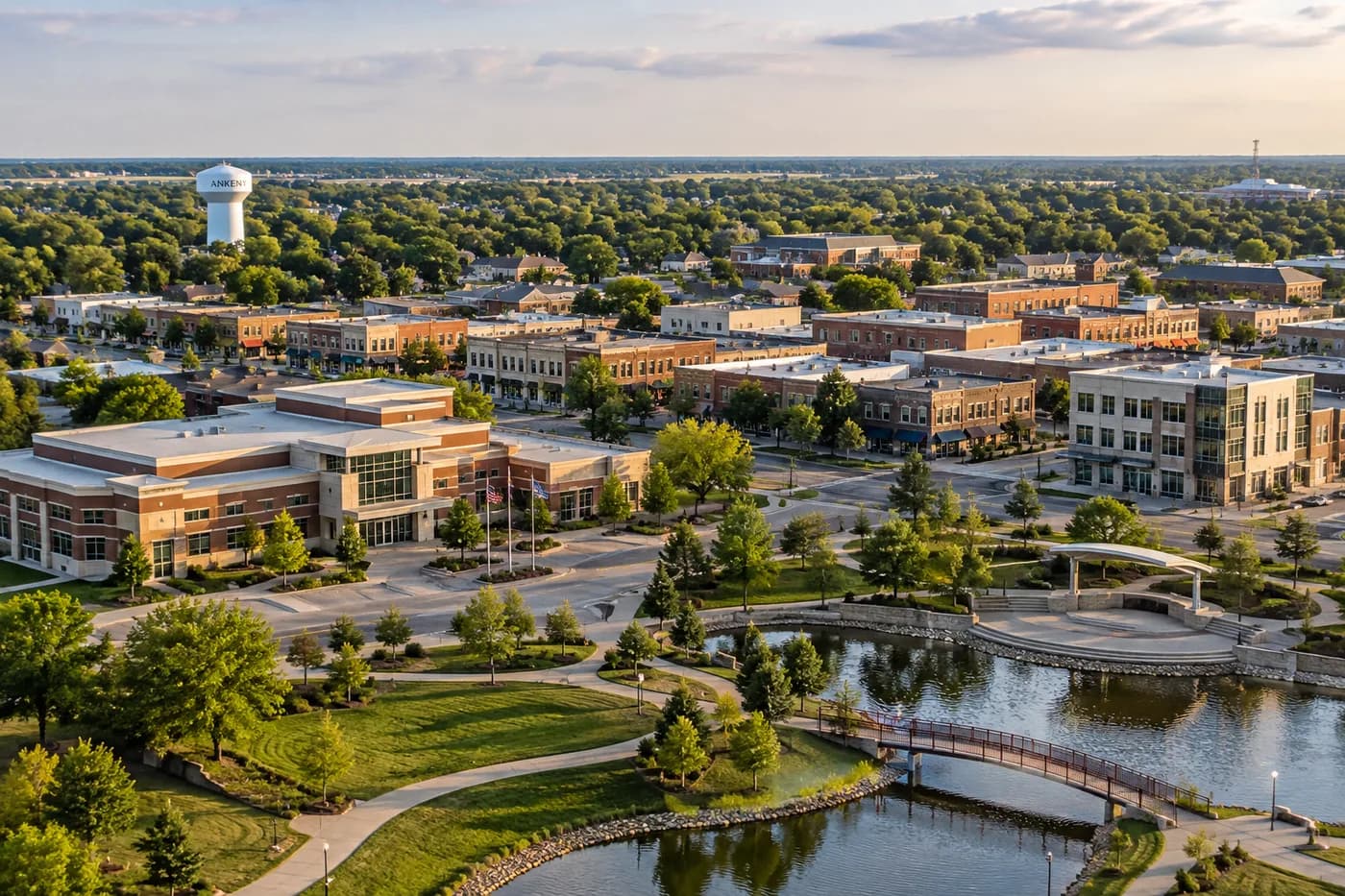
Humid Continental · suburban setting
Read the local guide →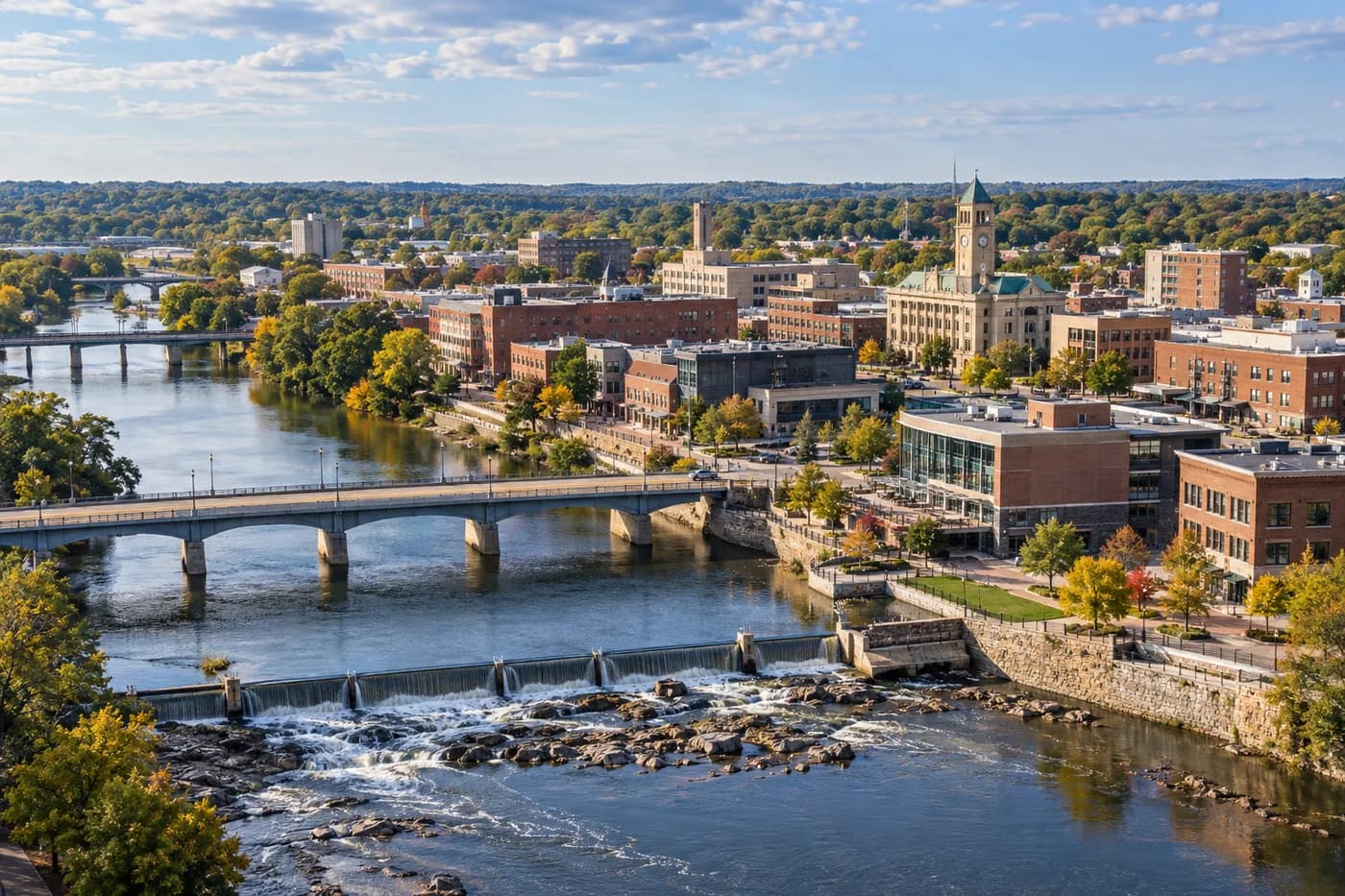
Humid Continental · suburban setting
Read the local guide →
Humid Continental · urban setting
Read the local guide →
Humid Continental · urban setting
Read the local guide →
Humid Continental · urban setting
Read the local guide →
Humid Continental · urban setting
Read the local guide →
Humid Continental · suburban setting
Read the local guide →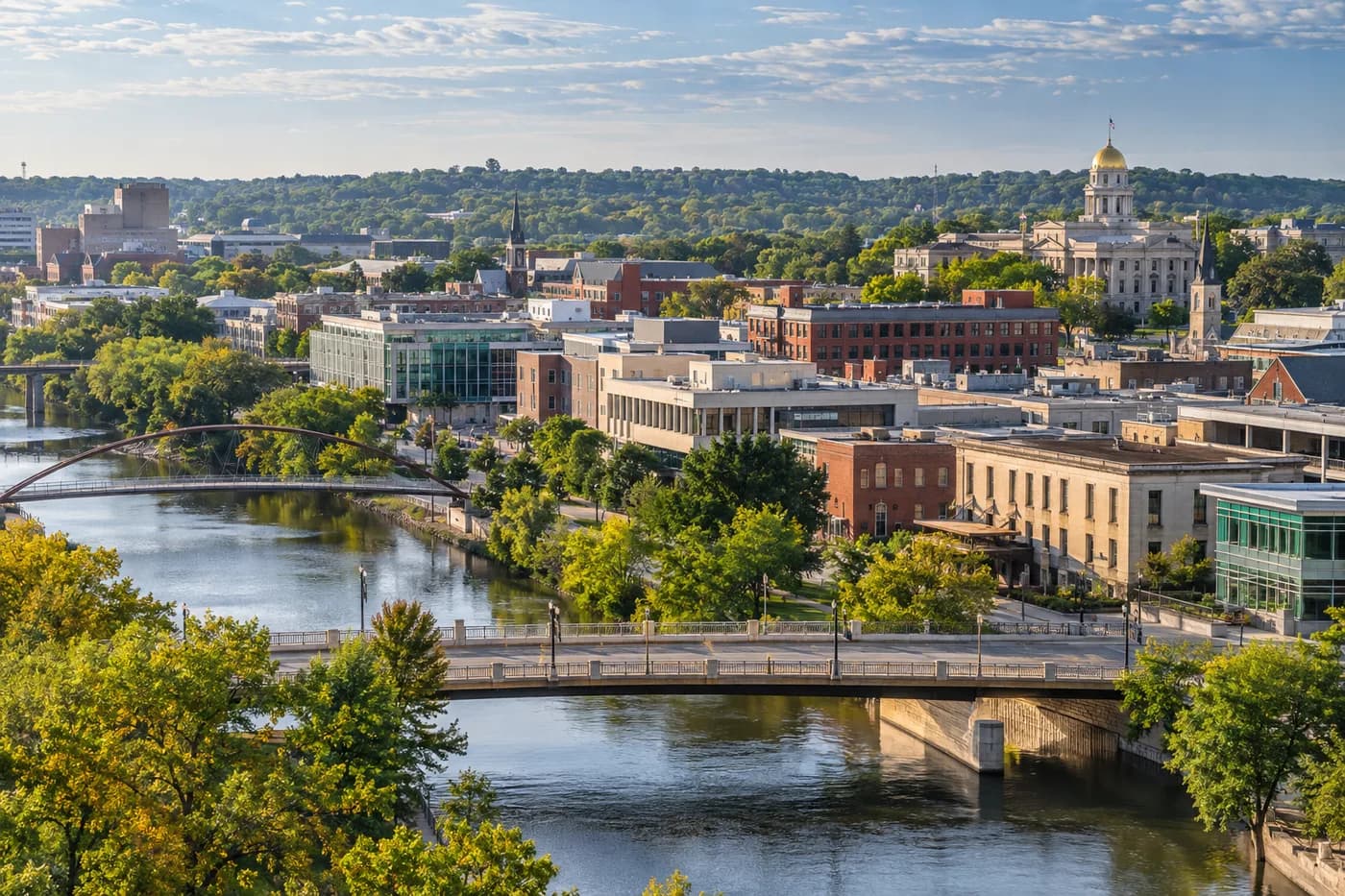
Humid Continental · urban setting
Read the local guide →
Humid Continental · suburban setting
Read the local guide →
Humid Continental · urban setting
Read the local guide →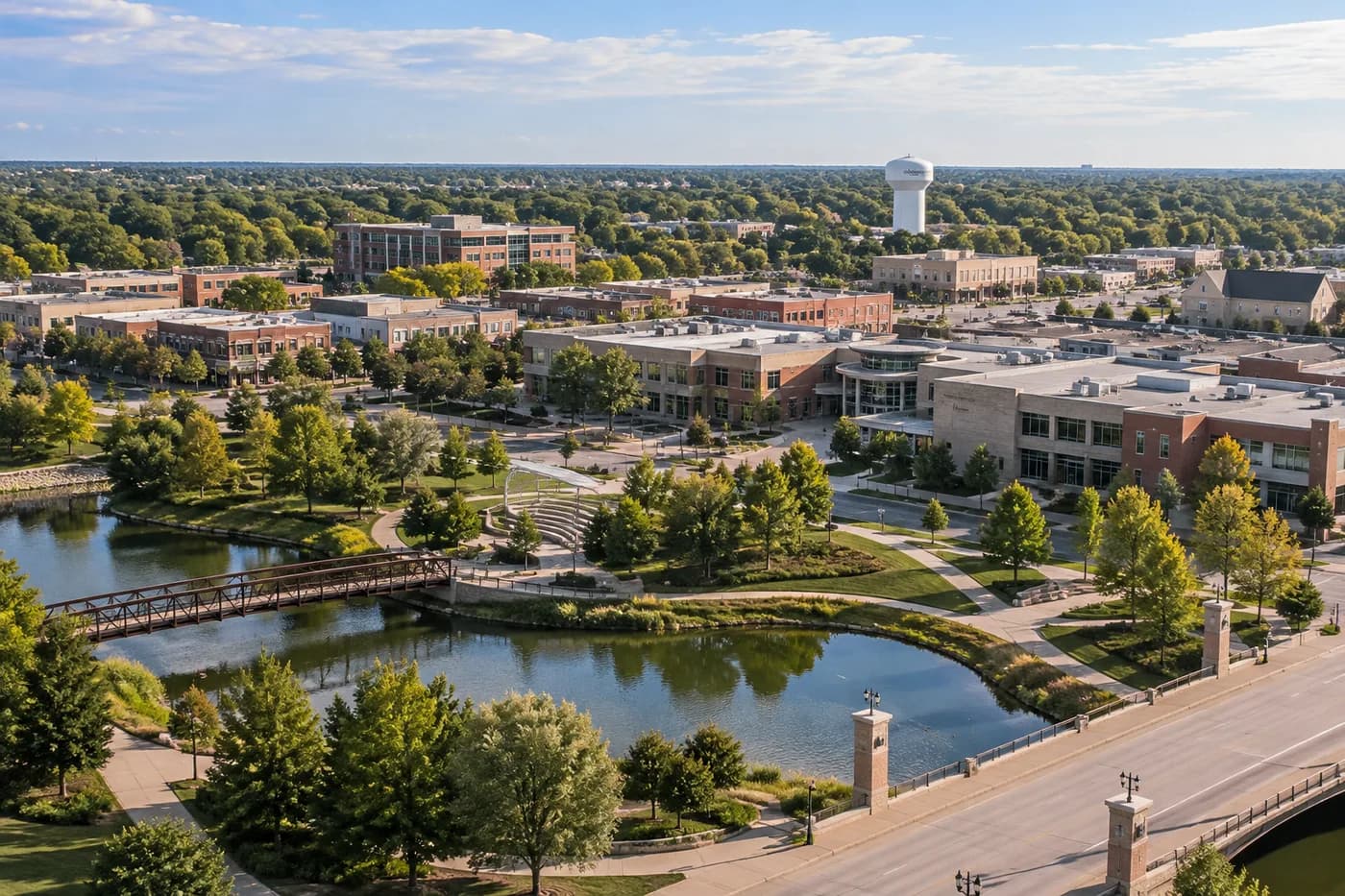
Humid Continental · suburban setting
Read the local guide →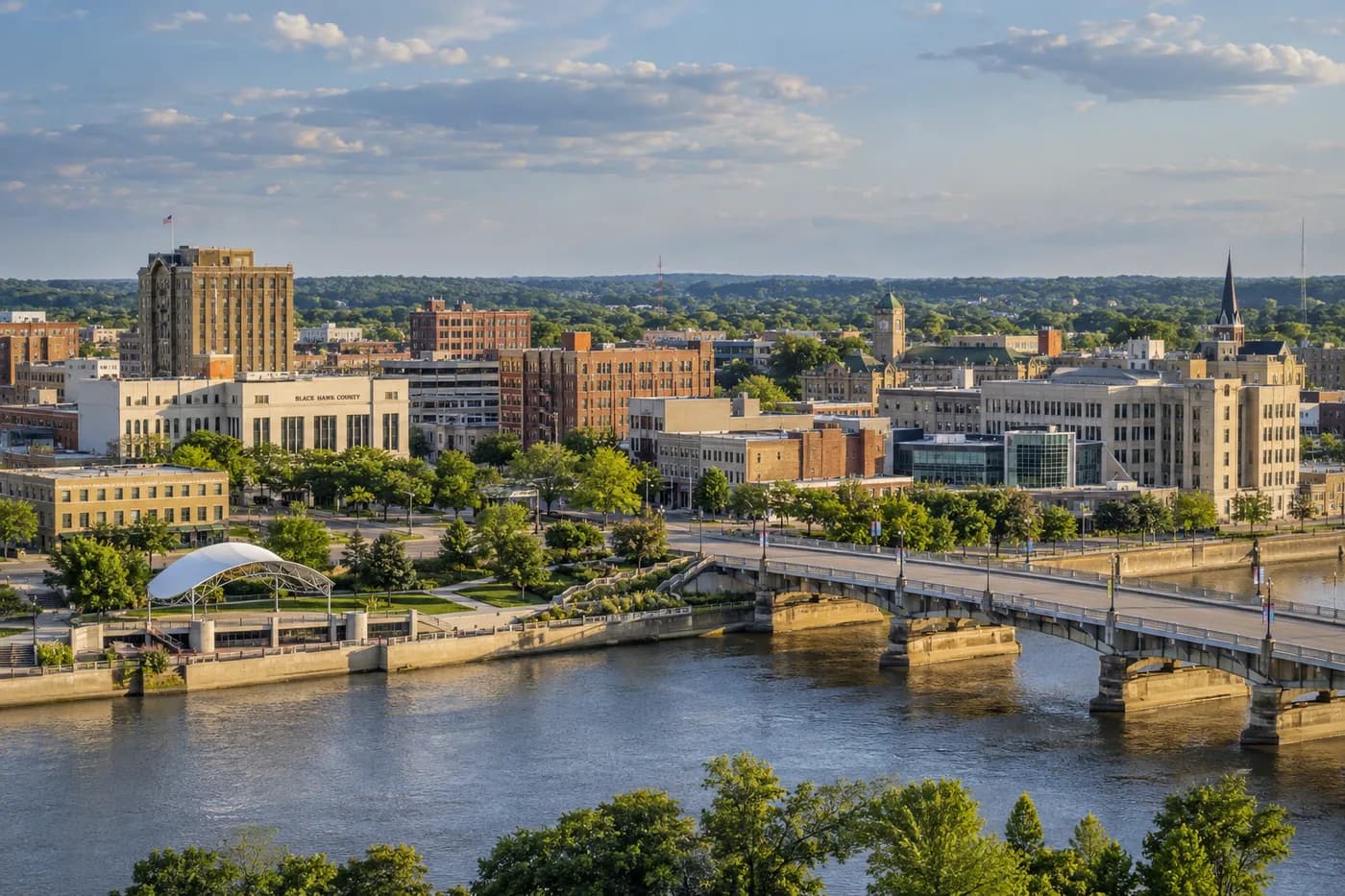
Humid Continental · urban setting
Read the local guide →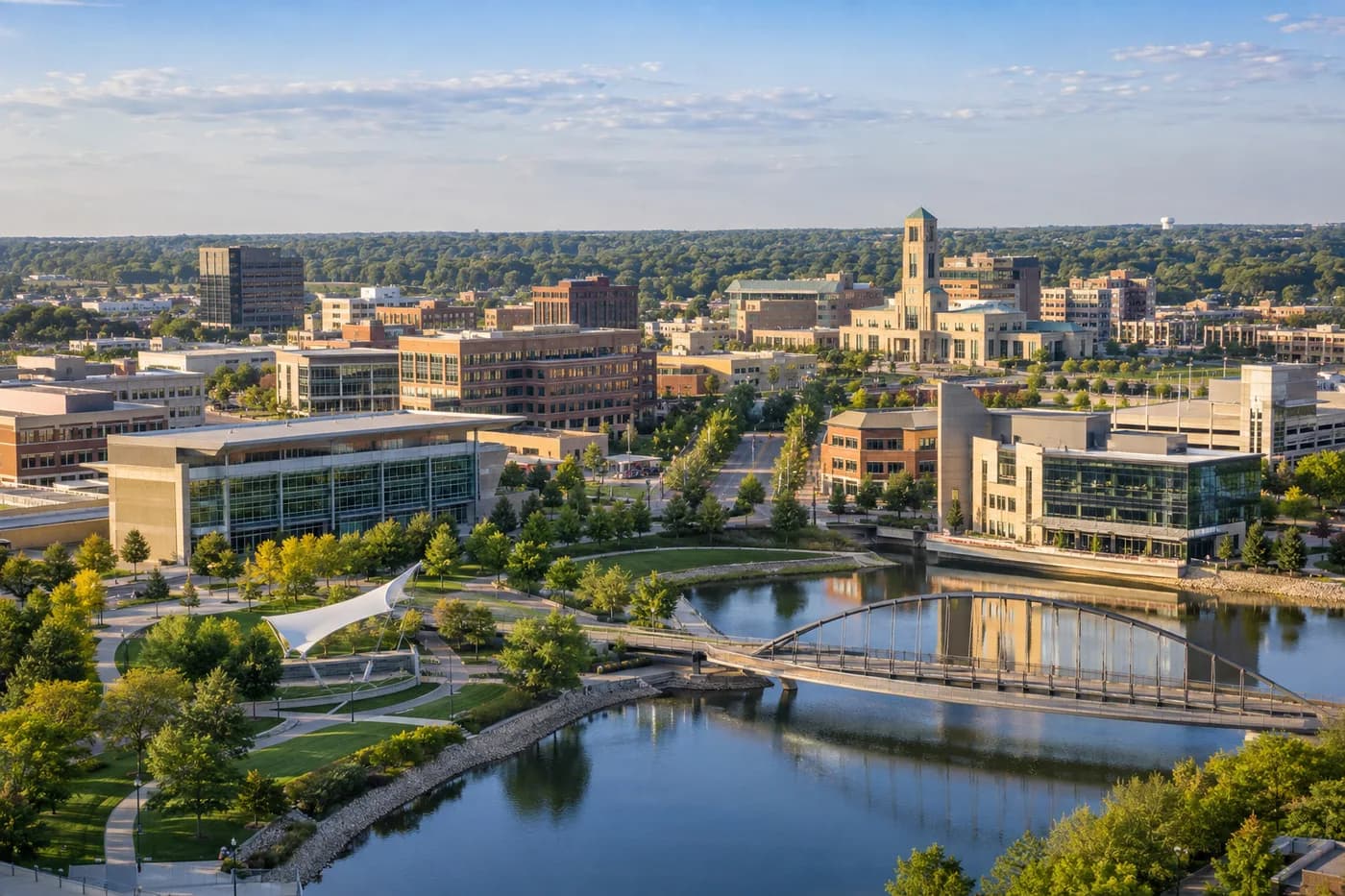
Humid Continental · suburban setting
Read the local guide →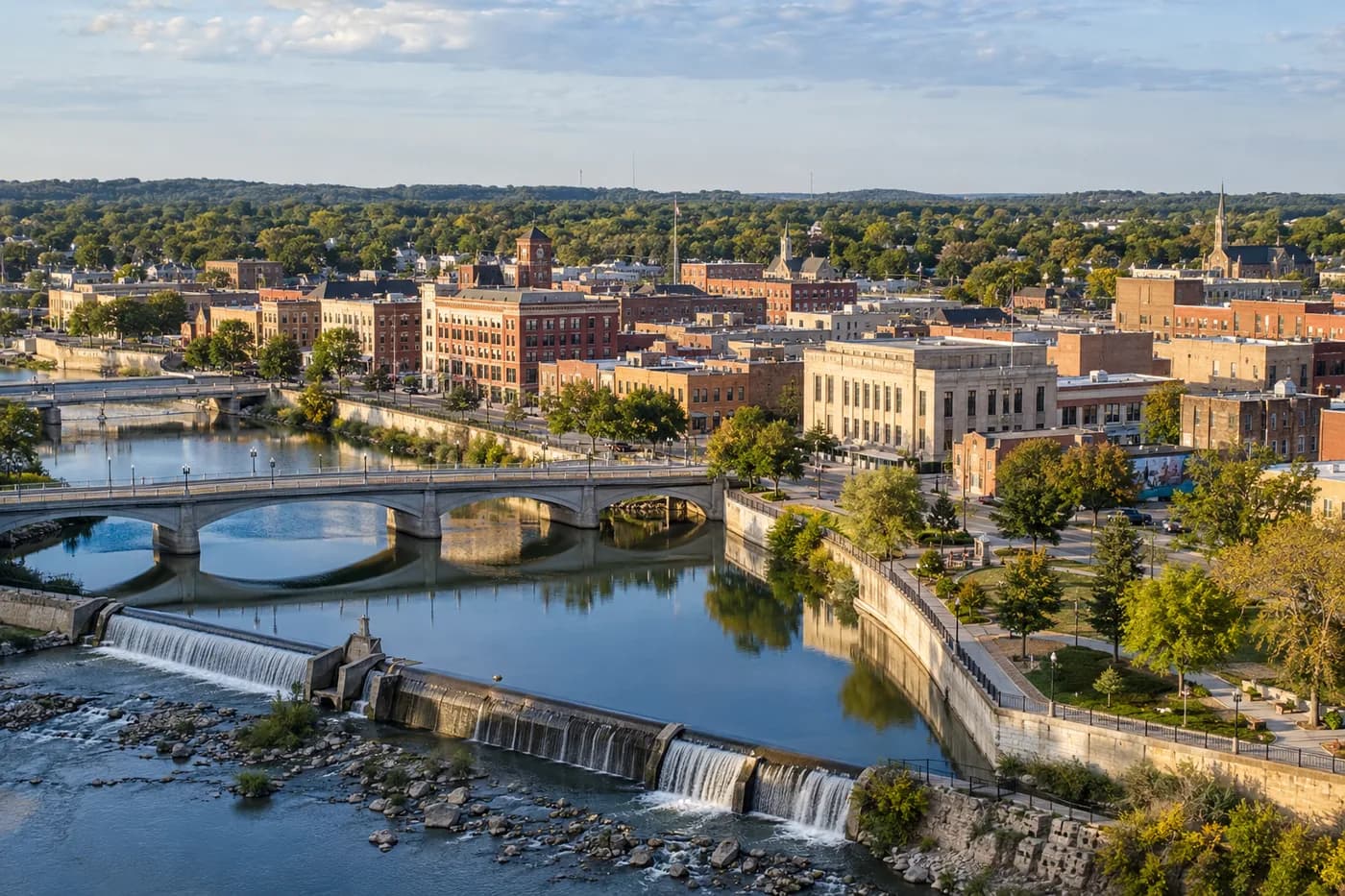
Humid Continental · rural setting
Read the local guide →