Around Maryland
Conditions vary across the state. Choose your city below, then describe what’s happening around your home or business.
Local fly information
Learn what to look for around your property, explore your city, and ask about an inspection or a quote.
Conditions vary across the state. Choose your city below, then describe what’s happening around your home or business.
Where you see flies, how long it has been going on, and anything you’ve already tried are the most useful details to mention.
Ask about an inspection, what treatment would involve, and whether follow-up visits are included. You don’t need to identify the problem yourself before getting in touch.
Before you compare quotes, it helps to know which flies actually live in Maryland, when they are busiest, and what the state figures look like. Everything below links to the agency or university page it came from.
The south-facing attic is where Maryland cluster flies concentrate, which tells you where to seal and where to look.
University of Maryland Extension Home & Garden Information CenterFinding maggots that size indoors means the breeding medium is inside or immediately outside the house.
University of Maryland Extension Home & Garden Information CenterMaryland Extension treats an indoor bottle fly cluster as a carcass search, not a spraying job.
University of Maryland Extension Home & Garden Information CenterCluster flies enter in late August and reappear on warm winter and spring days; house fly and blow fly activity peaks through the warm months.
University of Maryland Extension: insecticide spraying is generally not effective or recommended inside the home; find and remove the larval site, then trap adults with baited traps or sticky tape.
Sources: University of Maryland Extension Home & Garden Information Center; Texas A&M AgriLife Extension; University of New Hampshire Extension; Flies (Home and Landscape). Figures are quoted as the source prints them. How we check our sources

Humid Subtropical · urban setting
Read the local guide →
Humid Subtropical · urban setting
Read the local guide →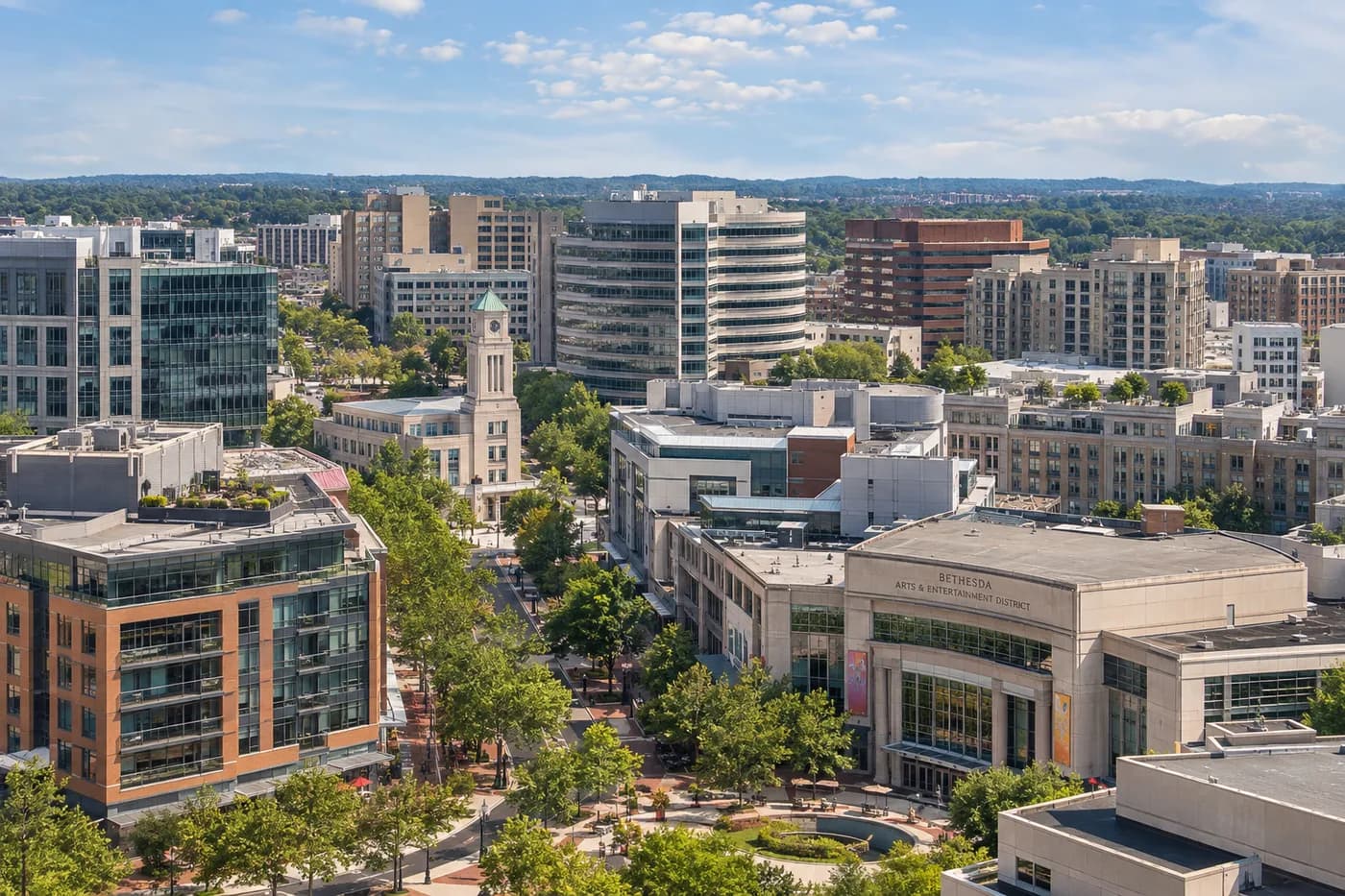
Humid Subtropical · urban setting
Read the local guide →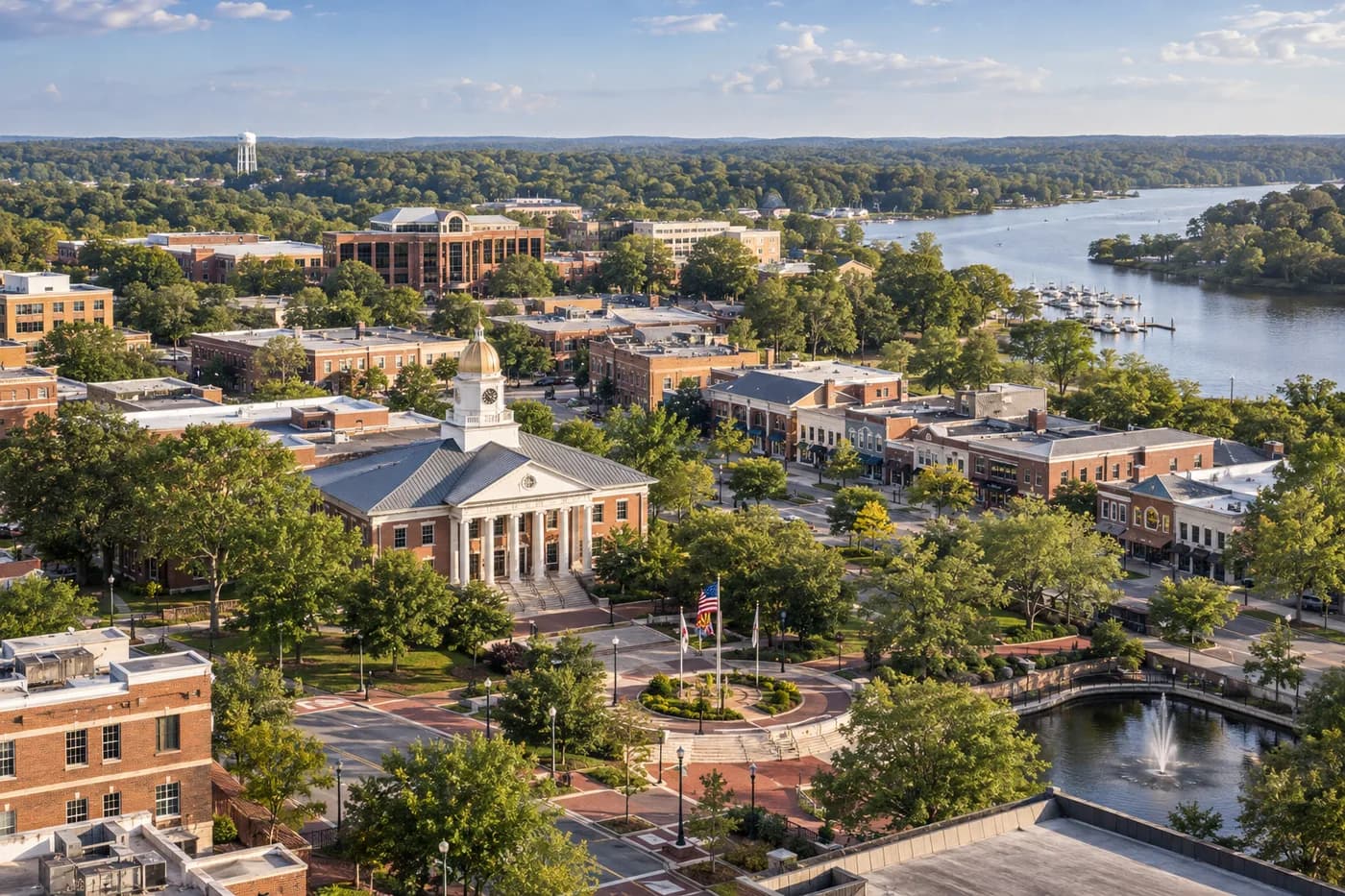
Humid Subtropical · suburban setting
Read the local guide →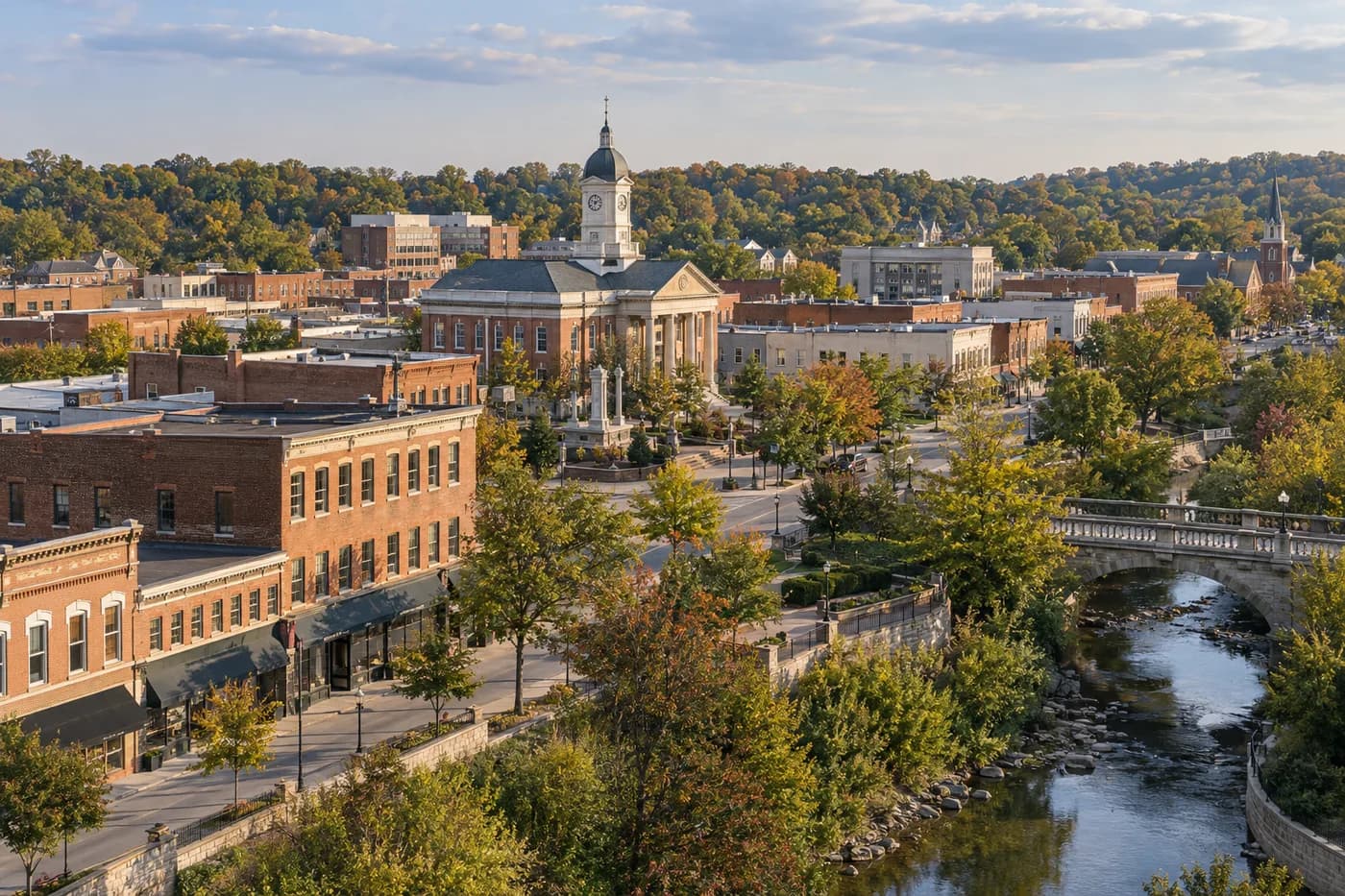
Humid Subtropical · suburban setting
Read the local guide →
Humid Subtropical · suburban setting
Read the local guide →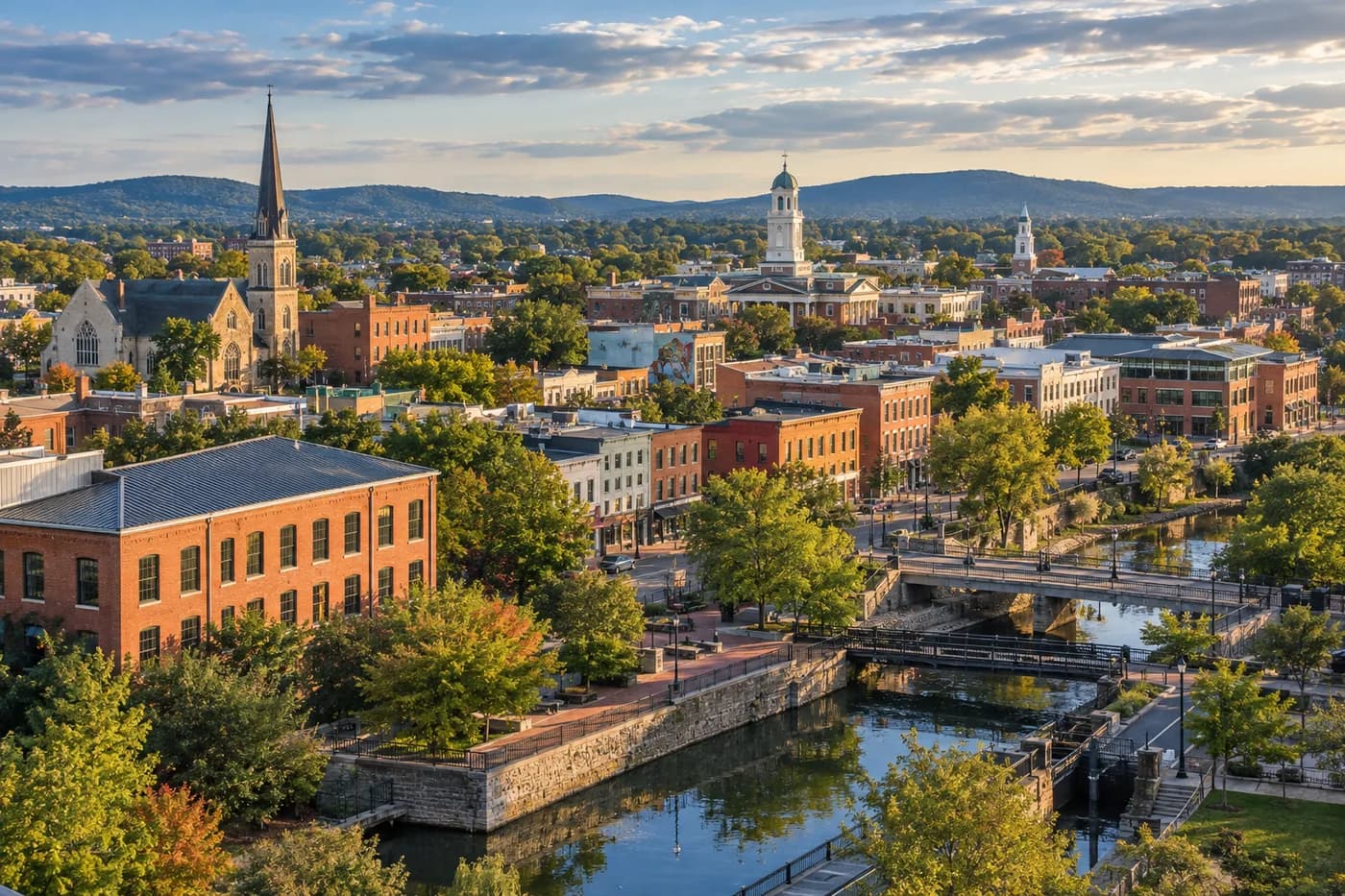
Humid Subtropical · urban setting
Read the local guide →
Humid Subtropical · suburban setting
Read the local guide →
Humid Subtropical · suburban setting
Read the local guide →
Humid Subtropical · suburban setting
Read the local guide →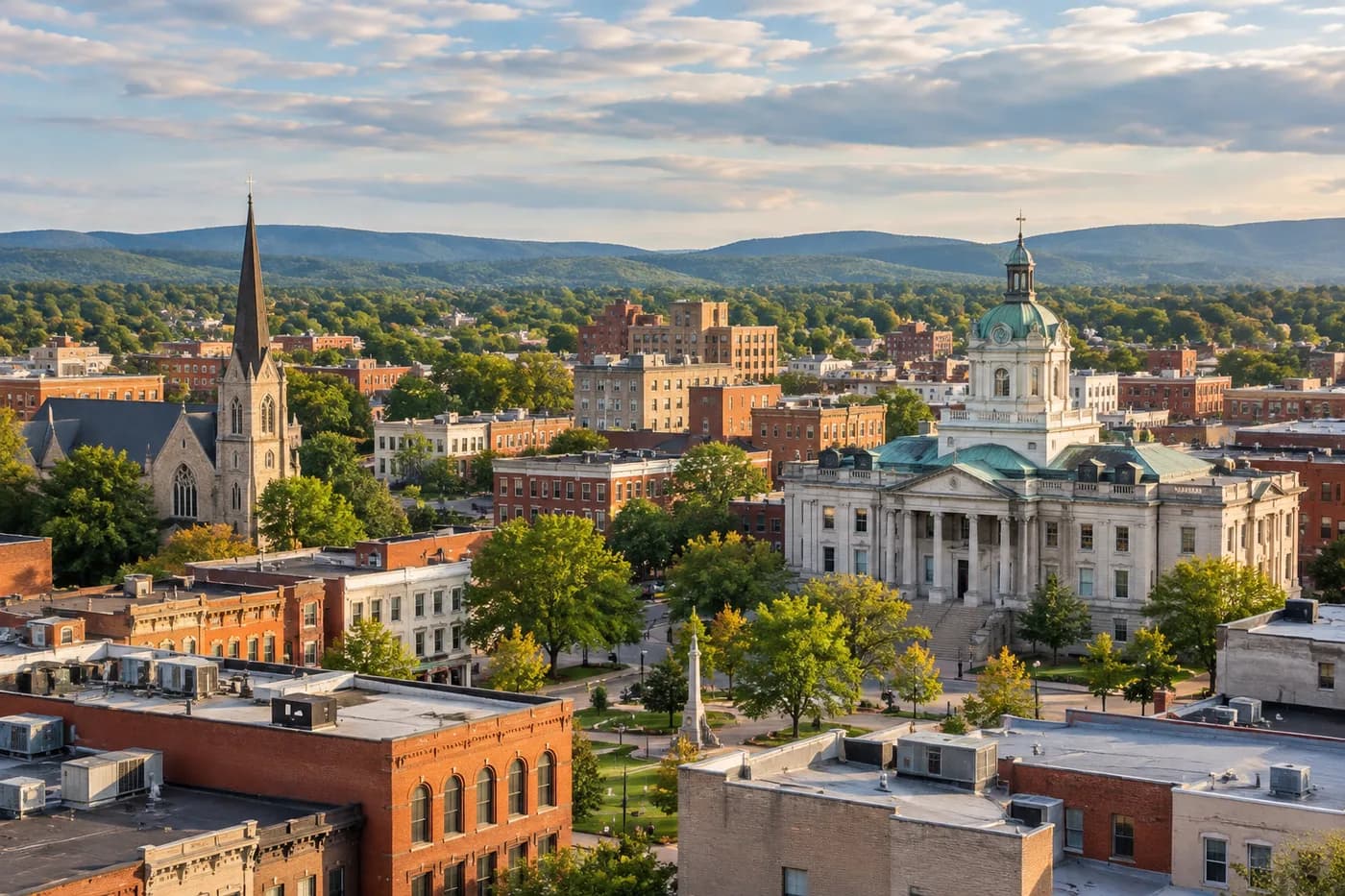
Humid Subtropical · suburban setting
Read the local guide →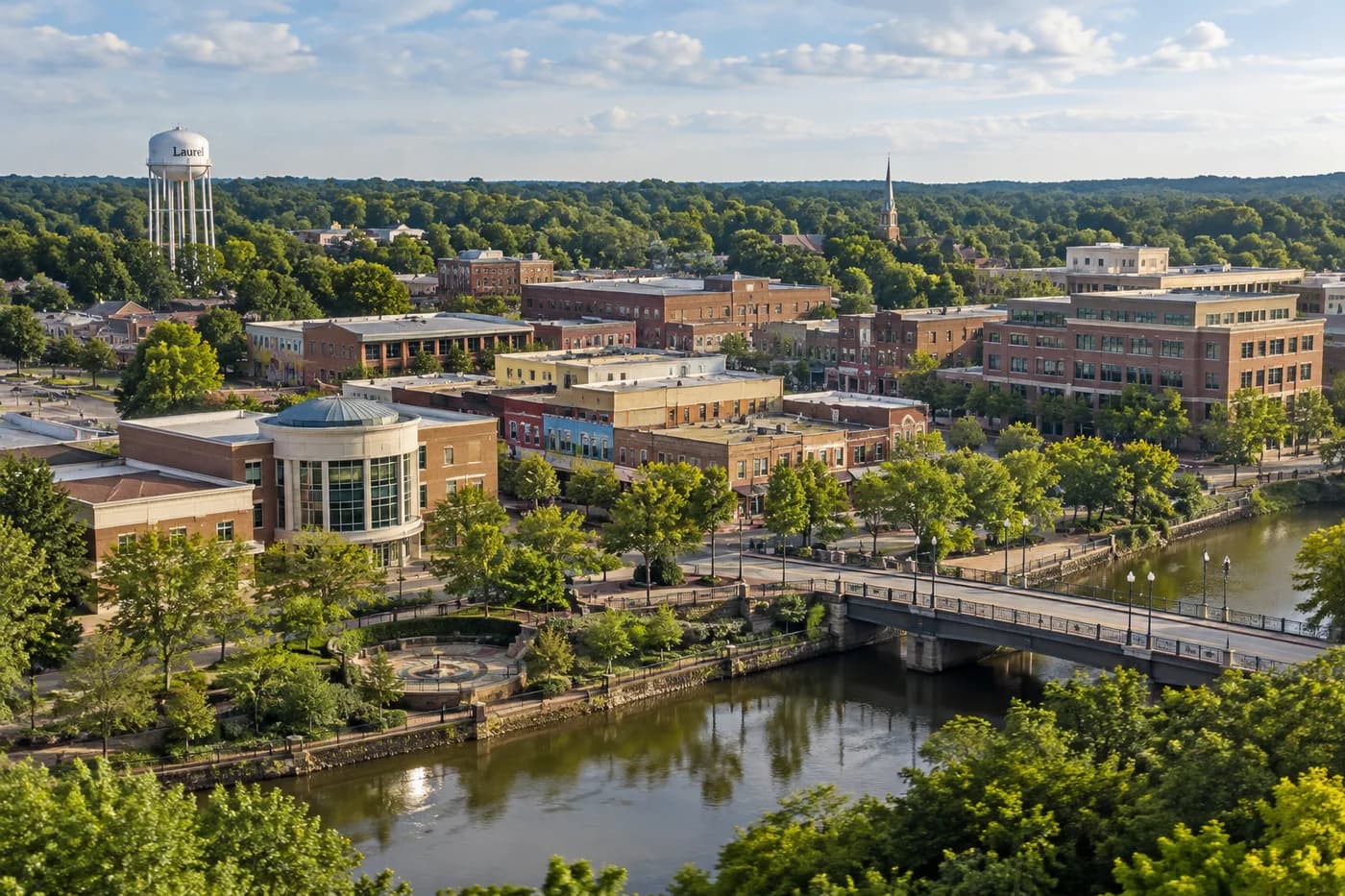
Humid Subtropical · suburban setting
Read the local guide →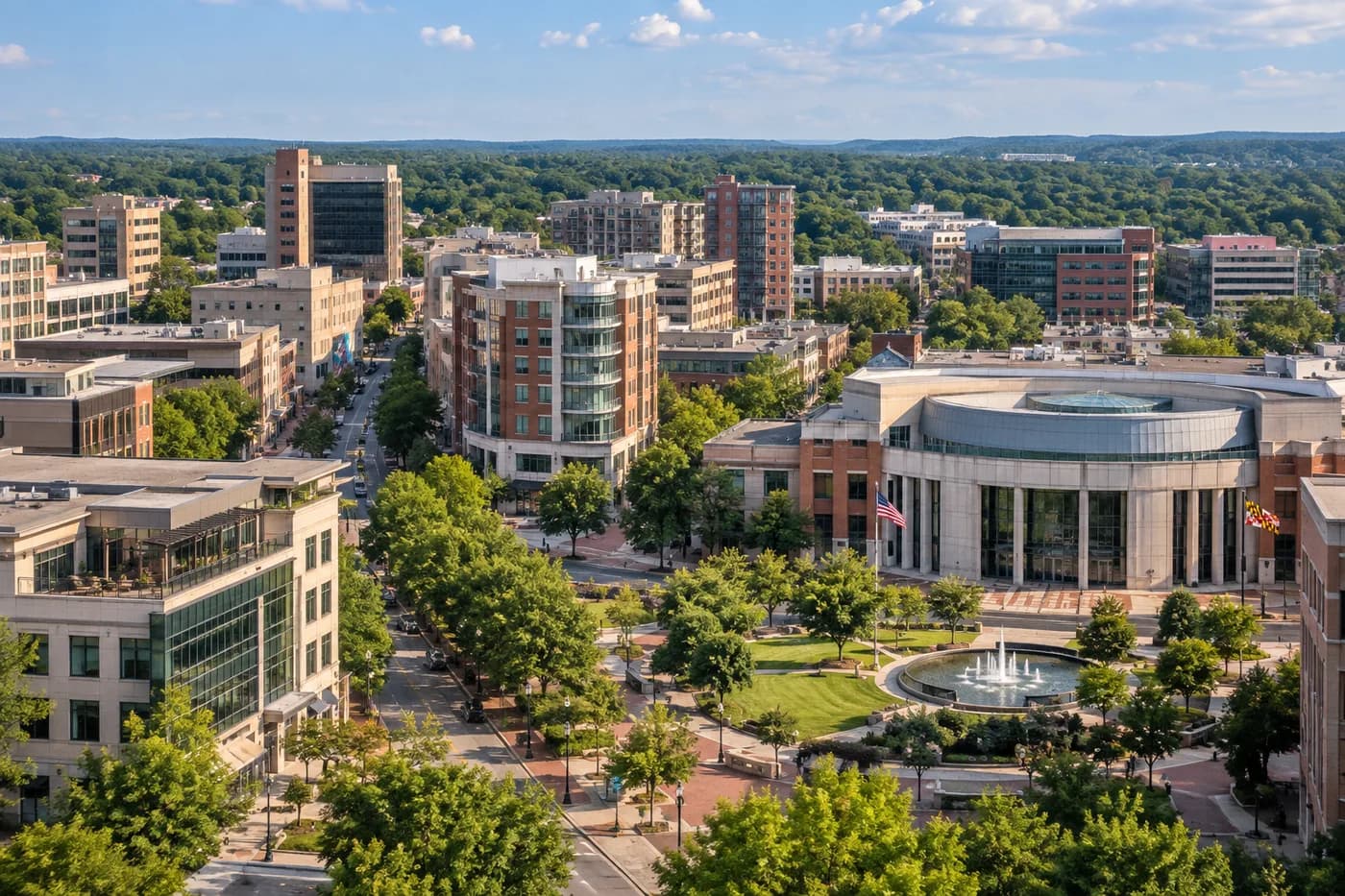
Humid Subtropical · urban setting
Read the local guide →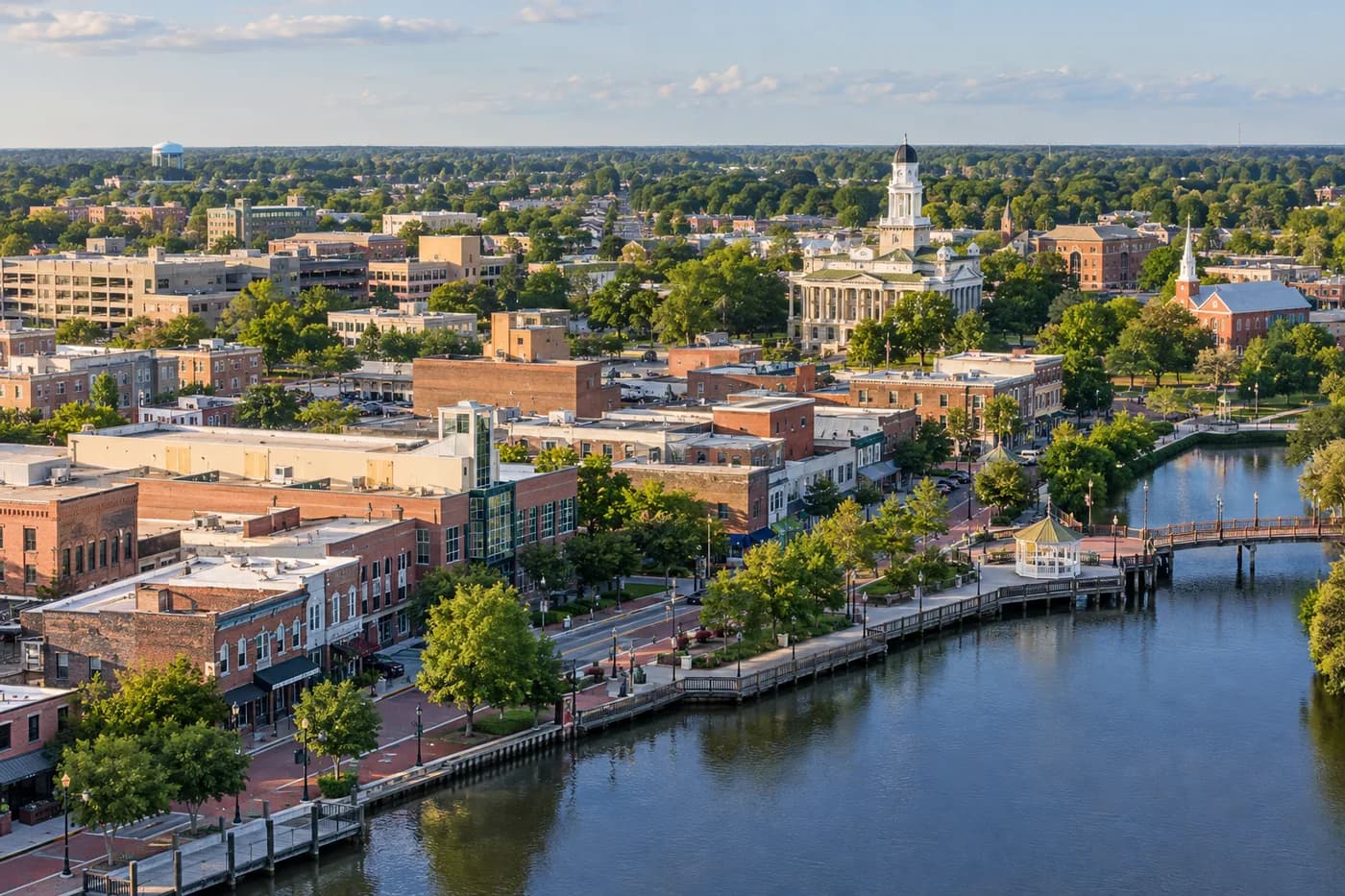
Humid Subtropical · suburban setting
Read the local guide →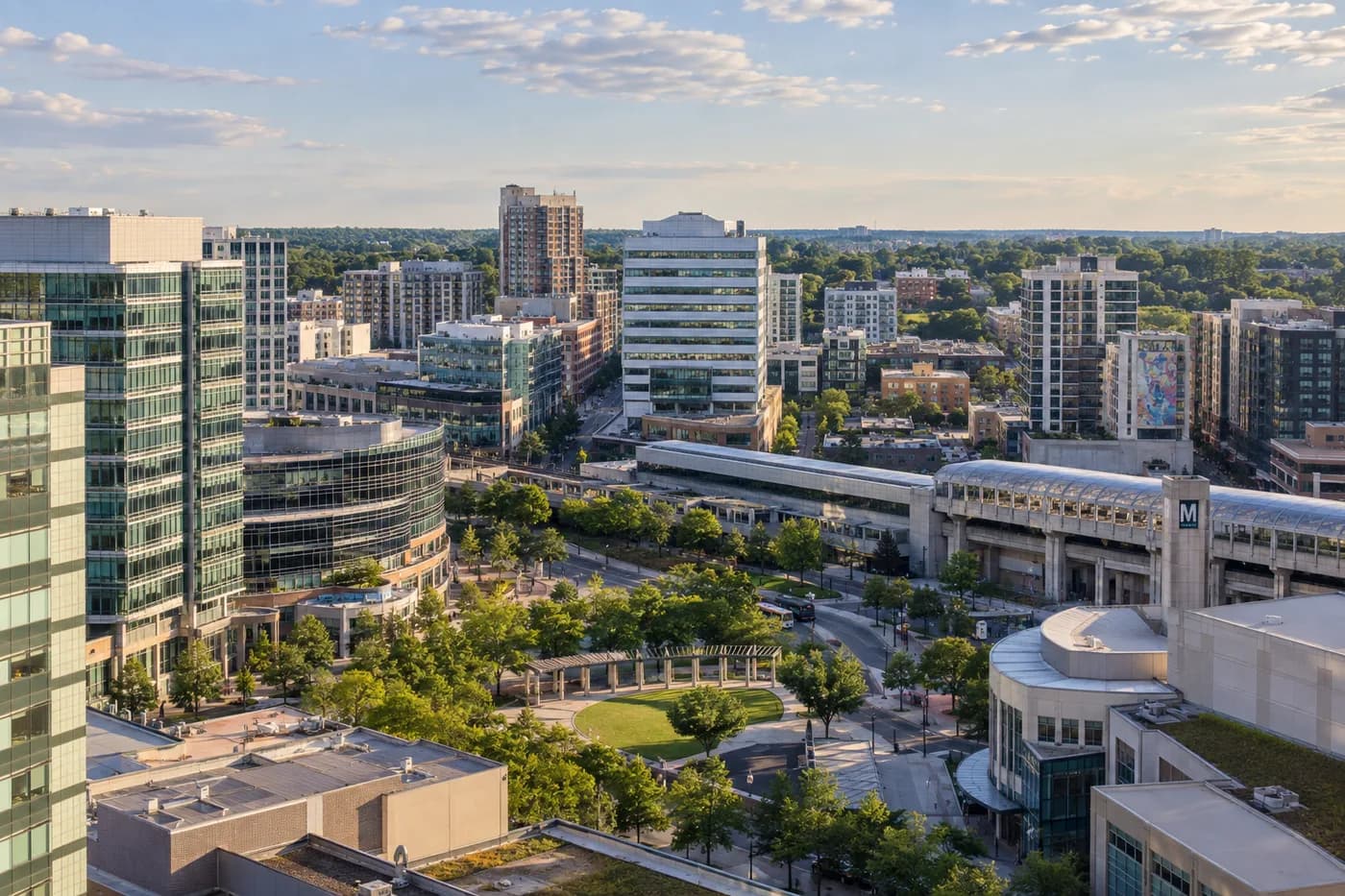
Humid Subtropical · urban setting
Read the local guide →
Humid Subtropical · suburban setting
Read the local guide →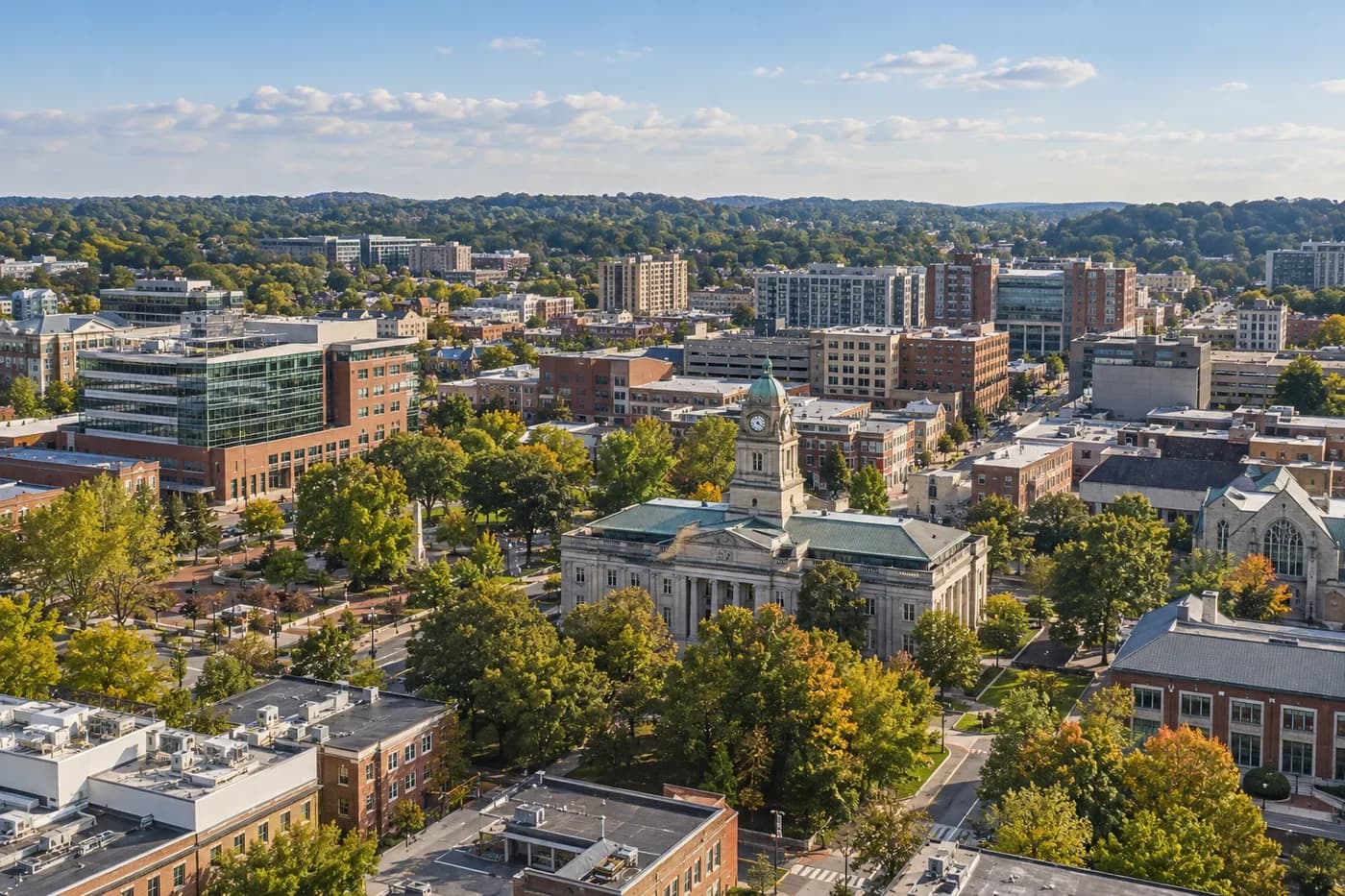
Humid Subtropical · urban setting
Read the local guide →