Around Massachusetts
Conditions vary across the state. Choose your city below, then describe what’s happening around your home or business.
Local fly information
Learn what to look for around your property, explore your city, and ask about an inspection or a quote.
Conditions vary across the state. Choose your city below, then describe what’s happening around your home or business.
Where you see flies, how long it has been going on, and anything you’ve already tried are the most useful details to mention.
Ask about an inspection, what treatment would involve, and whether follow-up visits are included. You don’t need to identify the problem yourself before getting in touch.
Before you compare quotes, it helps to know which flies actually live in Massachusetts, when they are busiest, and what the state figures look like. Everything below links to the agency or university page it came from.
Homeowners near Massachusetts barns, paddocks and small farms are dealing with this same species mix rather than a single generic "fly" problem.
UMass Extension, Center for Agriculture, Food, and the EnvironmentIt explains why Massachusetts homeowners find sluggish flies on sunny winter days in attics and upper rooms with no food source indoors.
UMass Extension, Center for Agriculture, Food, and the EnvironmentA breeding source left in place through a warm Massachusetts summer month can turn over multiple generations before anyone notices the flies.
UMass Extension, Center for Agriculture, Food, and the EnvironmentUMass Extension flags spring and early summer for high black fly populations, with house fly and stable fly generations turning over in roughly two to three weeks through the warm season and face flies persisting into winter inside homes and barns.
UMass Extension states that sanitation is the most important factor in any fly control plan, and that manure and other organic fly breeding material should be regularly removed from barn and stable areas.
Sources: UMass Extension, Center for Agriculture, Food, and the Environment; Texas A&M AgriLife Extension; University of New Hampshire Extension; Flies (Home and Landscape). Figures are quoted as the source prints them. How we check our sources

Humid Continental · urban setting
Read the local guide →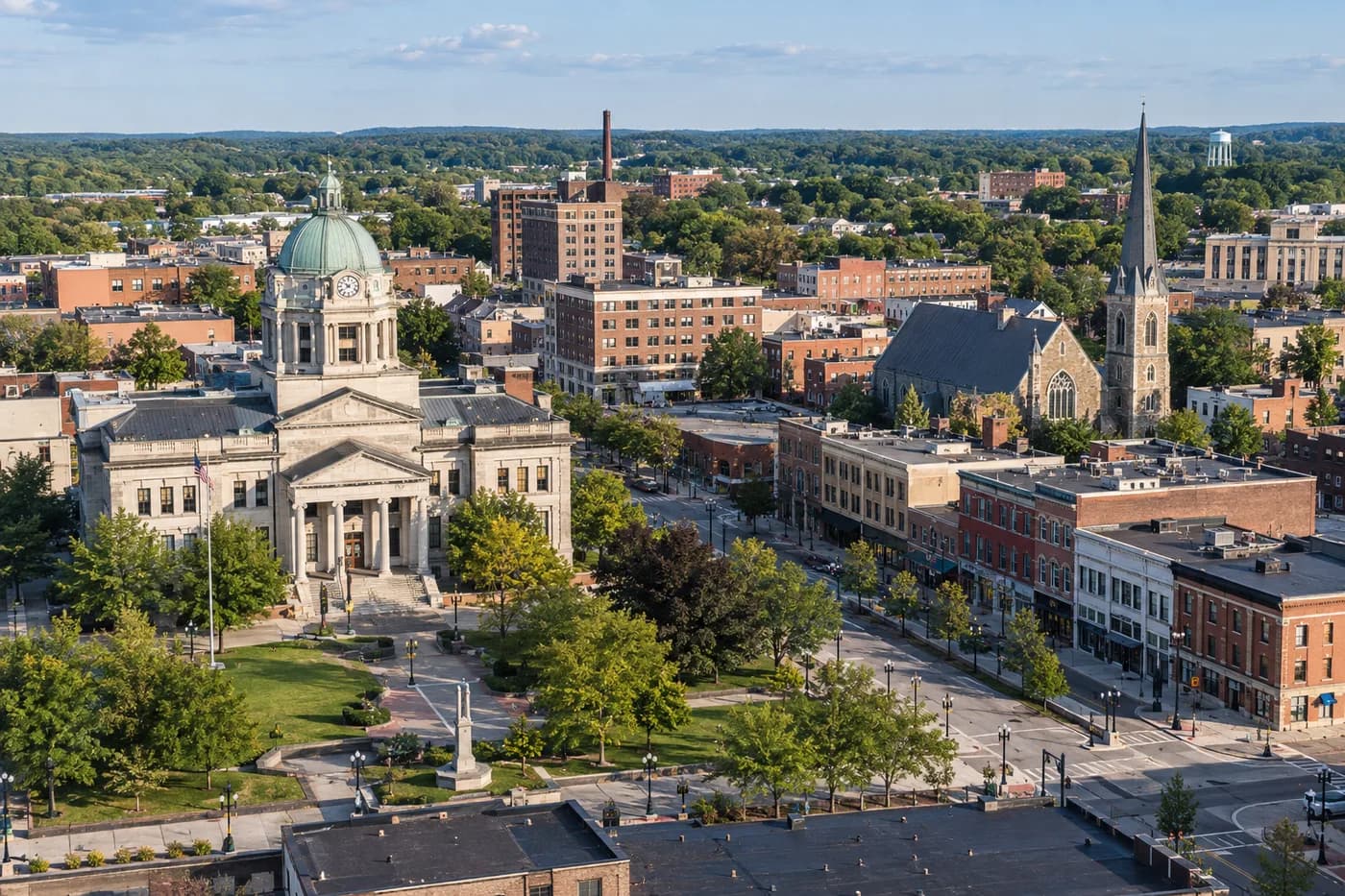
Humid Continental · urban setting
Read the local guide →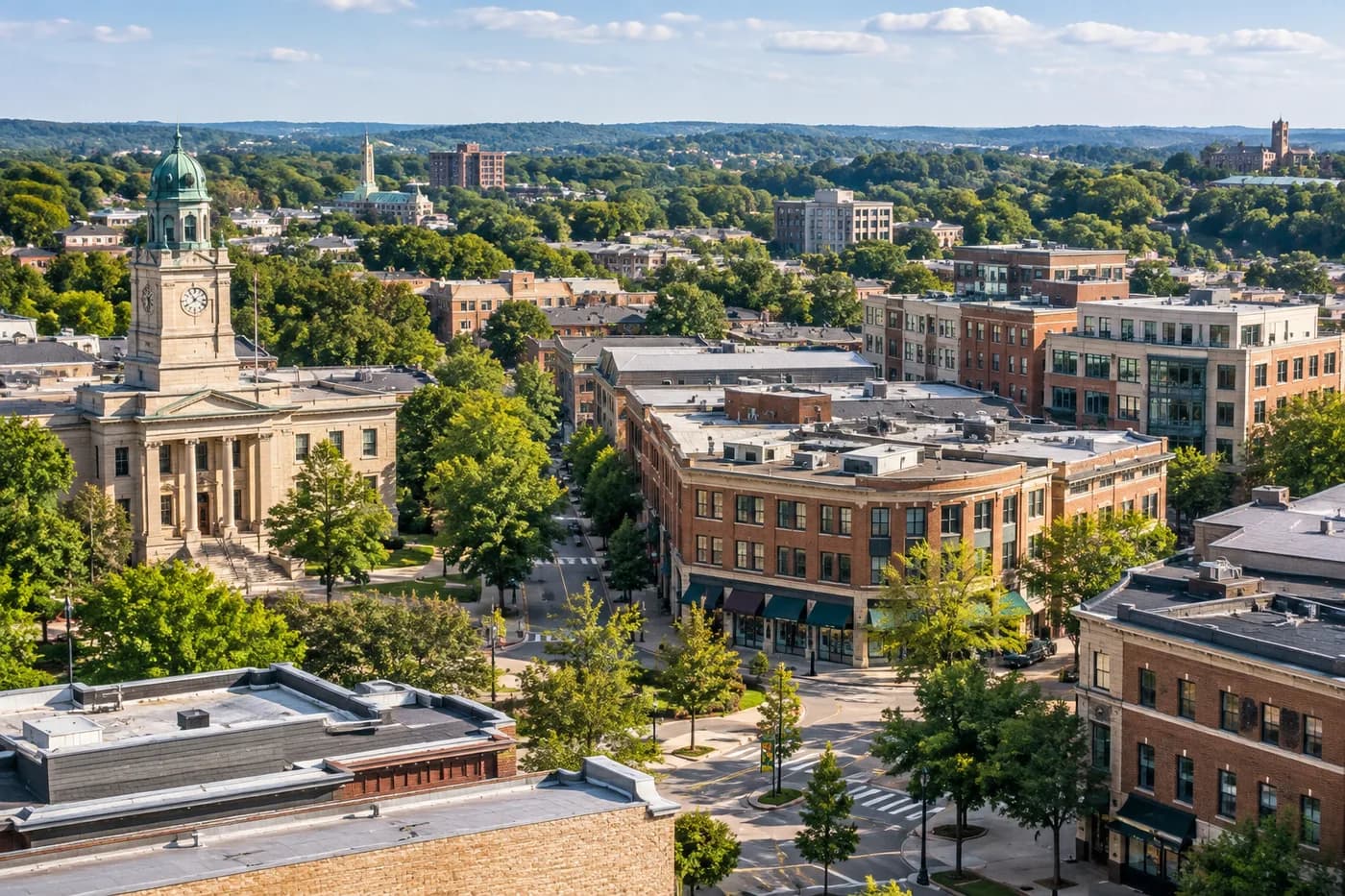
Humid Continental · urban setting
Read the local guide →
Humid Continental · urban setting
Read the local guide →
Humid Continental · urban setting
Read the local guide →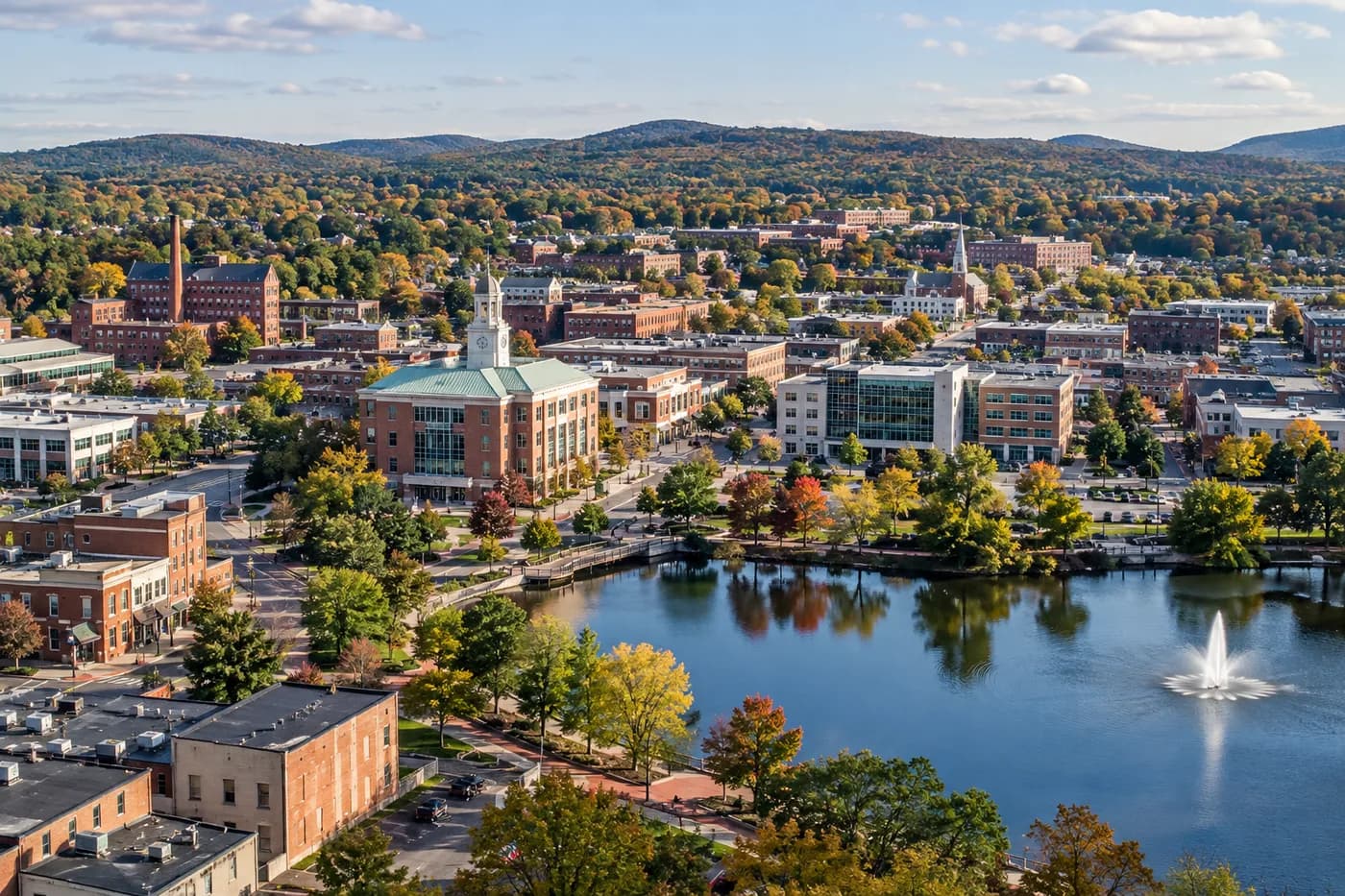
Humid Continental · suburban setting
Read the local guide →
Humid Continental · suburban setting
Read the local guide →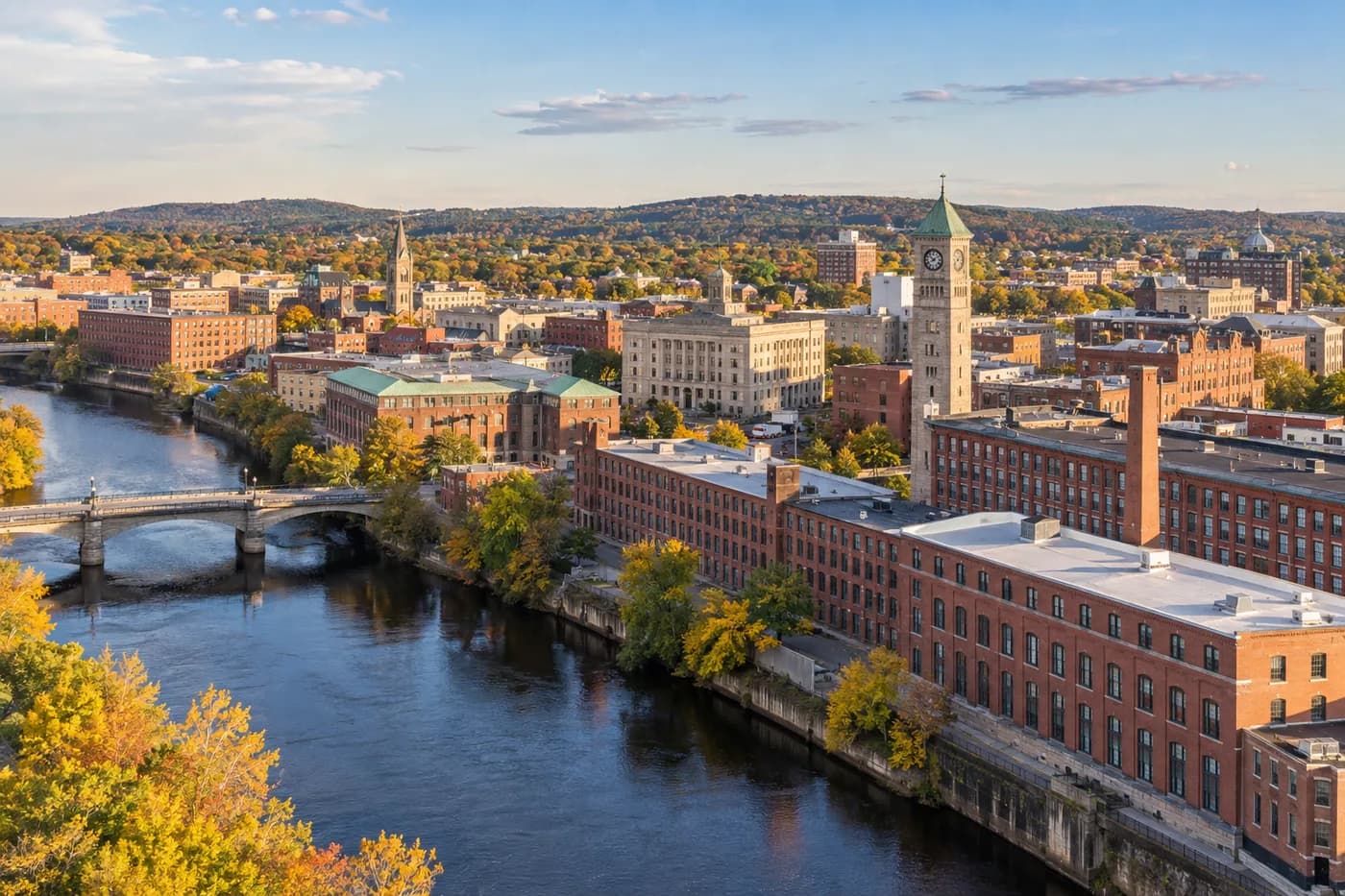
Humid Continental · urban setting
Read the local guide →
Humid Continental · urban setting
Read the local guide →
Humid Continental · urban setting
Read the local guide →
Humid Continental · urban setting
Read the local guide →
Humid Continental · urban setting
Read the local guide →
Humid Continental · suburban setting
Read the local guide →
Humid Continental · suburban setting
Read the local guide →
Humid Continental · urban setting
Read the local guide →
Humid Continental · urban setting
Read the local guide →
Humid Continental · urban setting
Read the local guide →
Humid Continental · suburban setting
Read the local guide →
Humid Continental · urban setting
Read the local guide →
Humid Continental · urban setting
Read the local guide →
Humid Continental · urban setting
Read the local guide →