Around Montana
Conditions vary across the state. Choose your city below, then describe what’s happening around your home or business.
Local fly information
Learn what to look for around your property, explore your city, and ask about an inspection or a quote.
Conditions vary across the state. Choose your city below, then describe what’s happening around your home or business.
Where you see flies, how long it has been going on, and anything you’ve already tried are the most useful details to mention.
Ask about an inspection, what treatment would involve, and whether follow-up visits are included. You don’t need to identify the problem yourself before getting in touch.
Before you compare quotes, it helps to know which flies actually live in Montana, when they are busiest, and what the state figures look like. Everything below links to the agency or university page it came from.
Montana homeowners who find flies in the house during a winter warm spell are usually dealing with face flies that entered the attic the previous fall.
Montana State University ExtensionBecause face flies breed in undisturbed pasture manure rather than confined manure piles, manure removal will not solve a Montana face fly problem the way it solves a house fly problem.
Montana State University ExtensionIt gives Montana livestock owners a countable trigger for treatment rather than a subjective judgment about whether flies look bad.
Montana State University ExtensionMSU Extension describes face flies as active on livestock through the warm summer months, then entering attics, barns and sheds in the fall to overwinter as adults, with nuisance appearances indoors during winter warm spells.
MSU Extension notes that stable fly larvae develop in decaying organic matter such as wet hay and winter feeding areas, so cleaning up wet hay residue is the practical control step on Montana properties.
Sources: Montana State University Extension; Texas A&M AgriLife Extension; University of New Hampshire Extension; Flies (Home and Landscape). Figures are quoted as the source prints them. How we check our sources
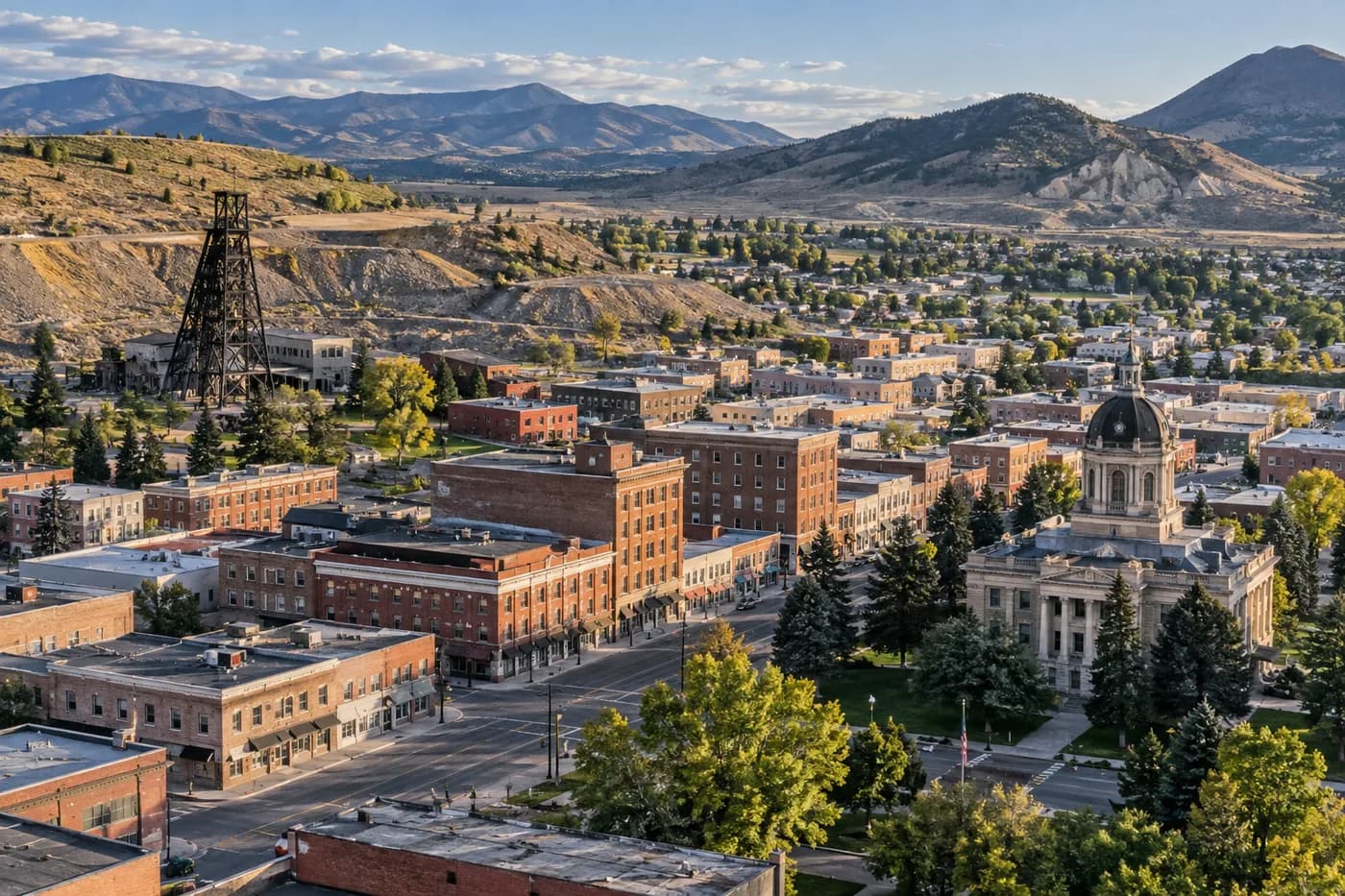
Semi-Arid Continental · rural setting
Read the local guide →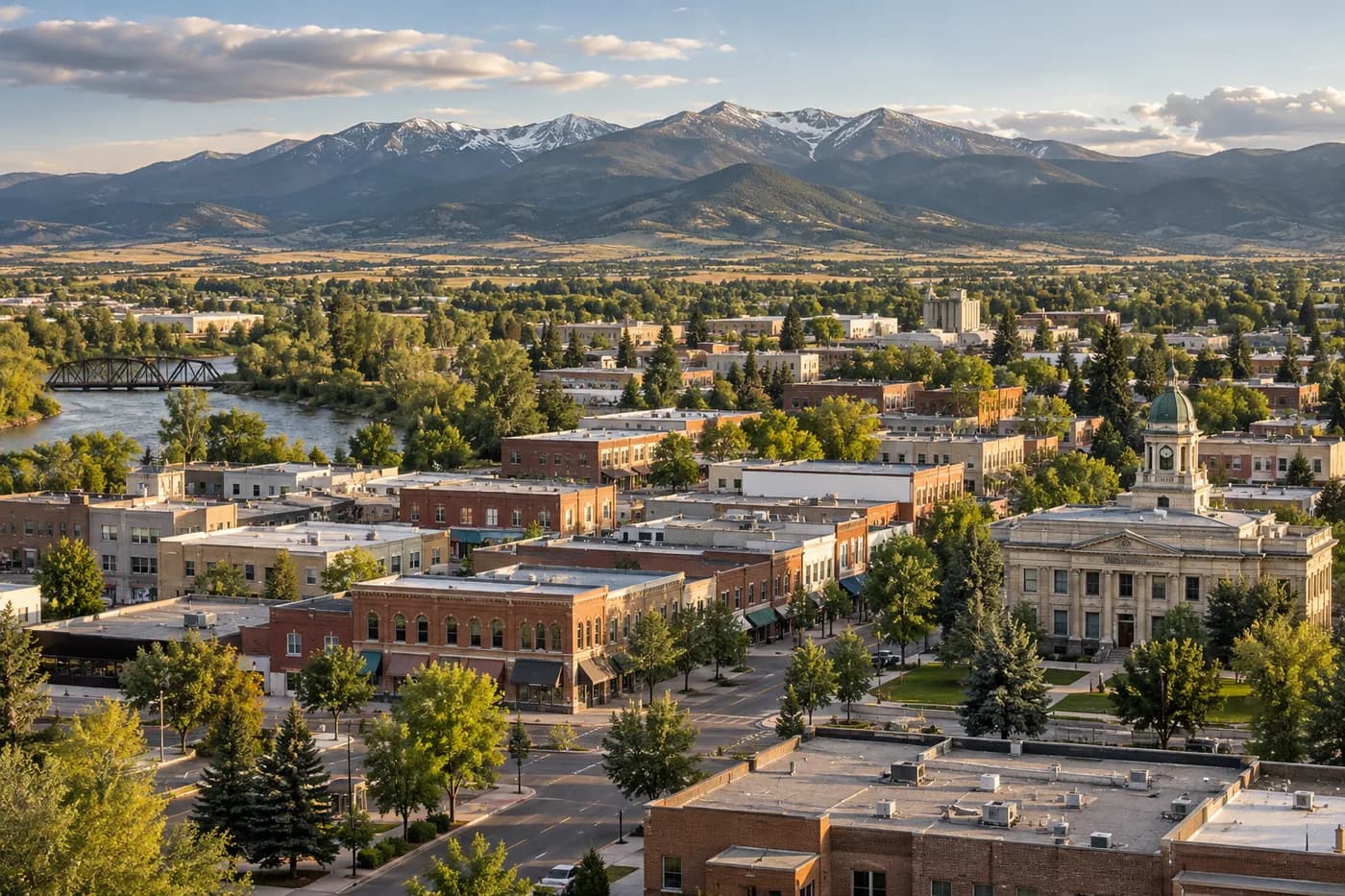
Semi-Arid Continental · rural setting
Read the local guide →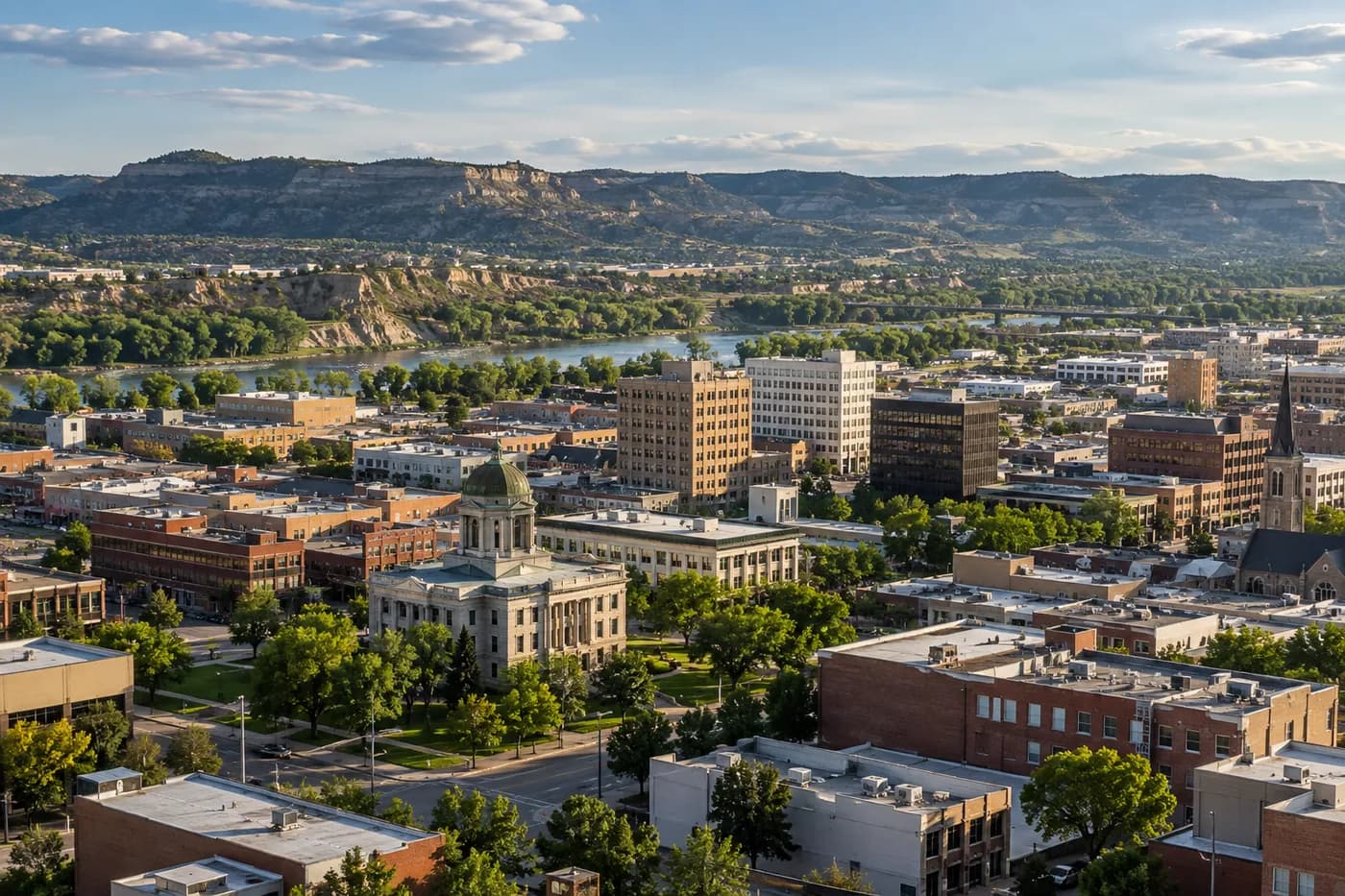
Semi-Arid Continental · urban setting
Read the local guide →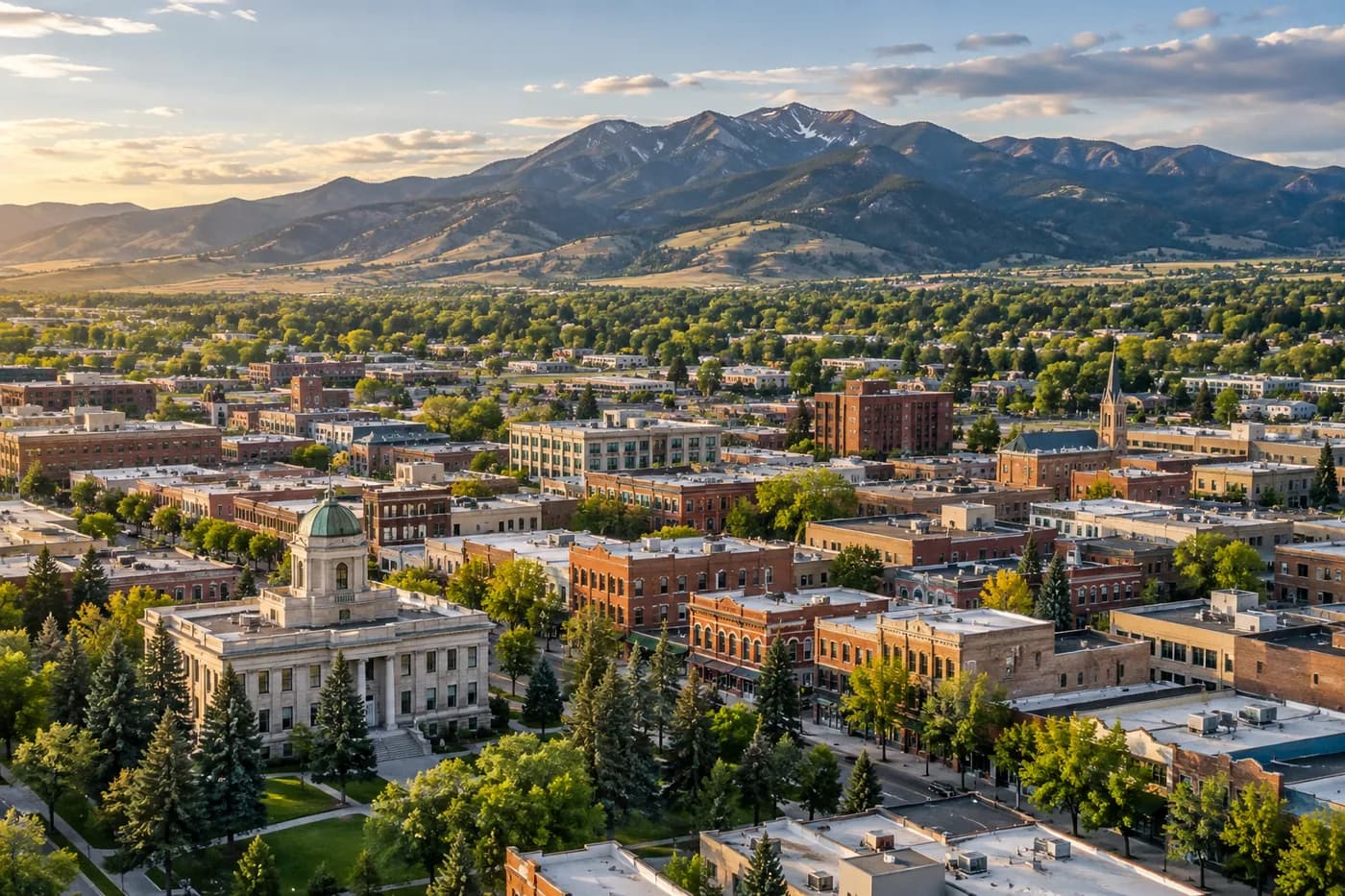
Warm Summer Continental · suburban setting
Read the local guide →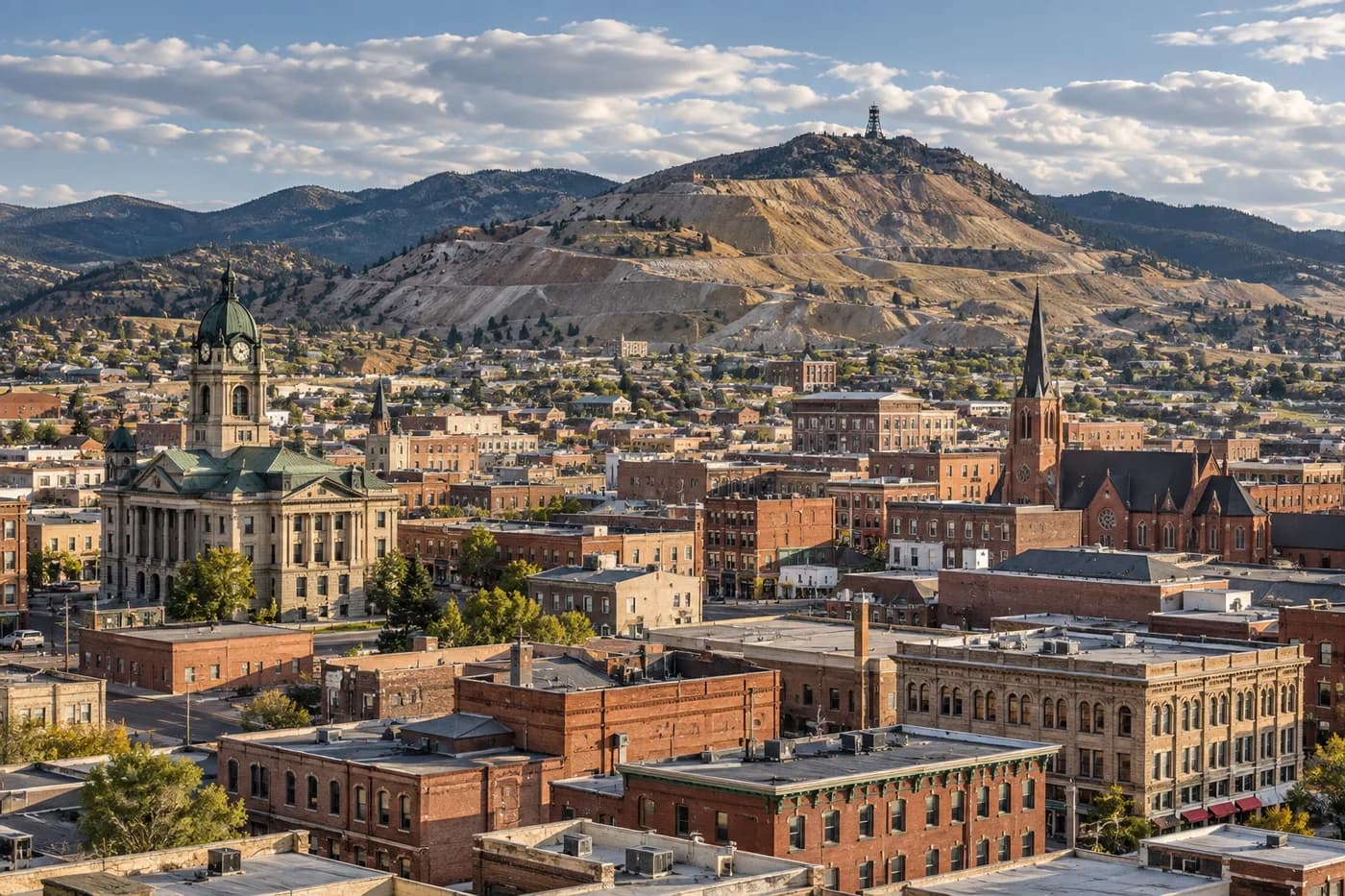
Semi-Arid Continental · suburban setting
Read the local guide →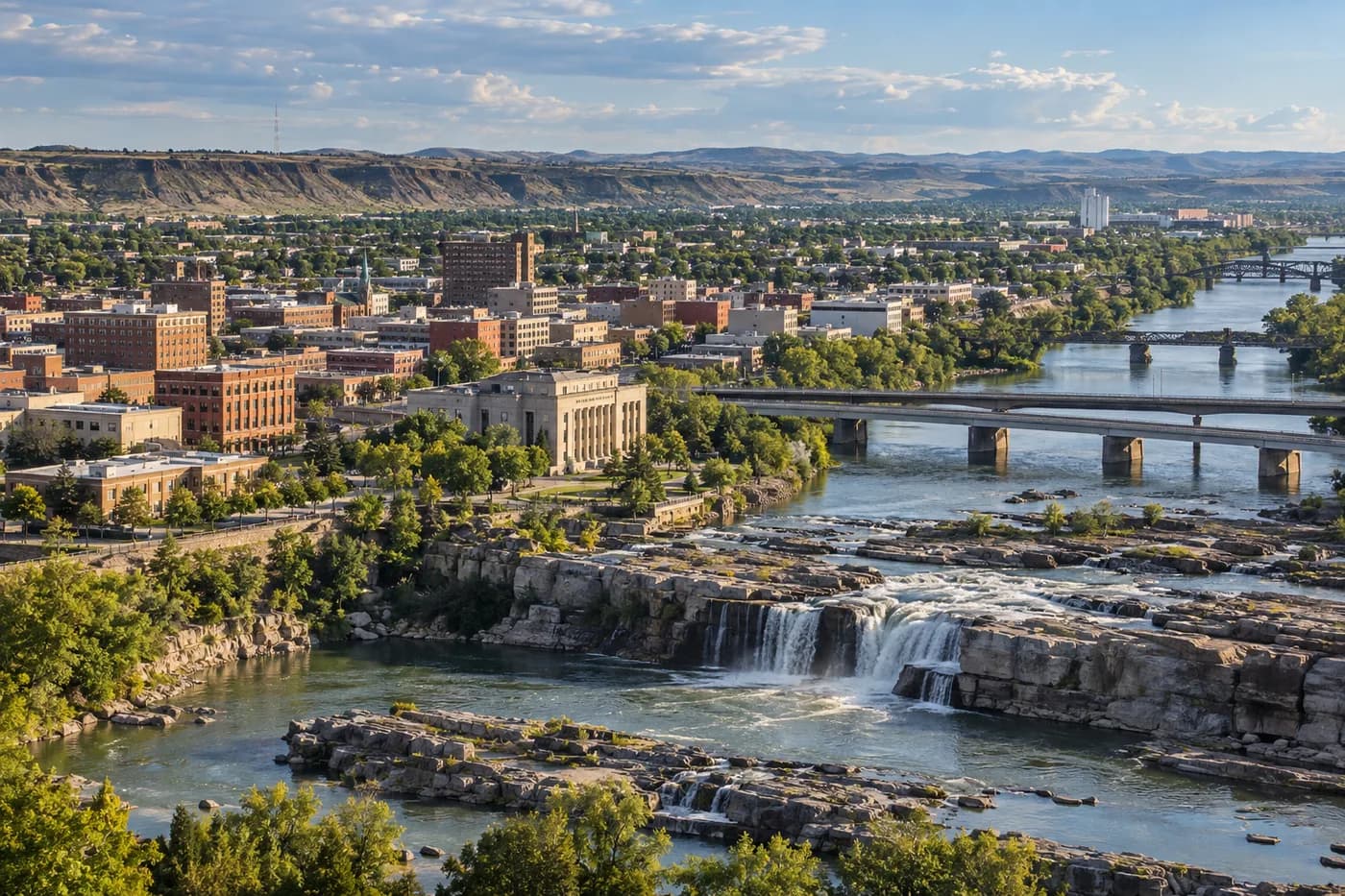
Semi-Arid Continental · suburban setting
Read the local guide →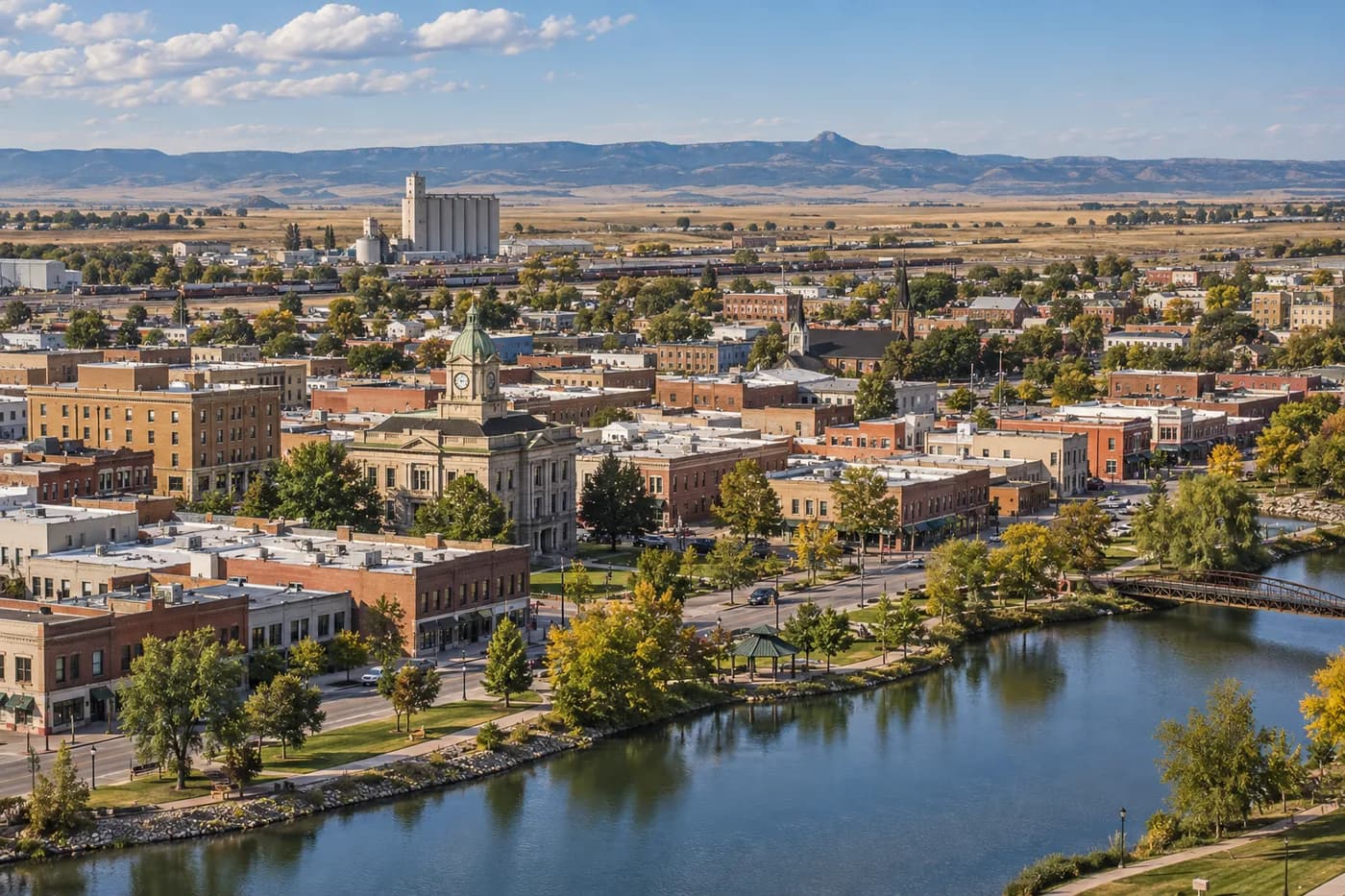
Semi-Arid Continental · rural setting
Read the local guide →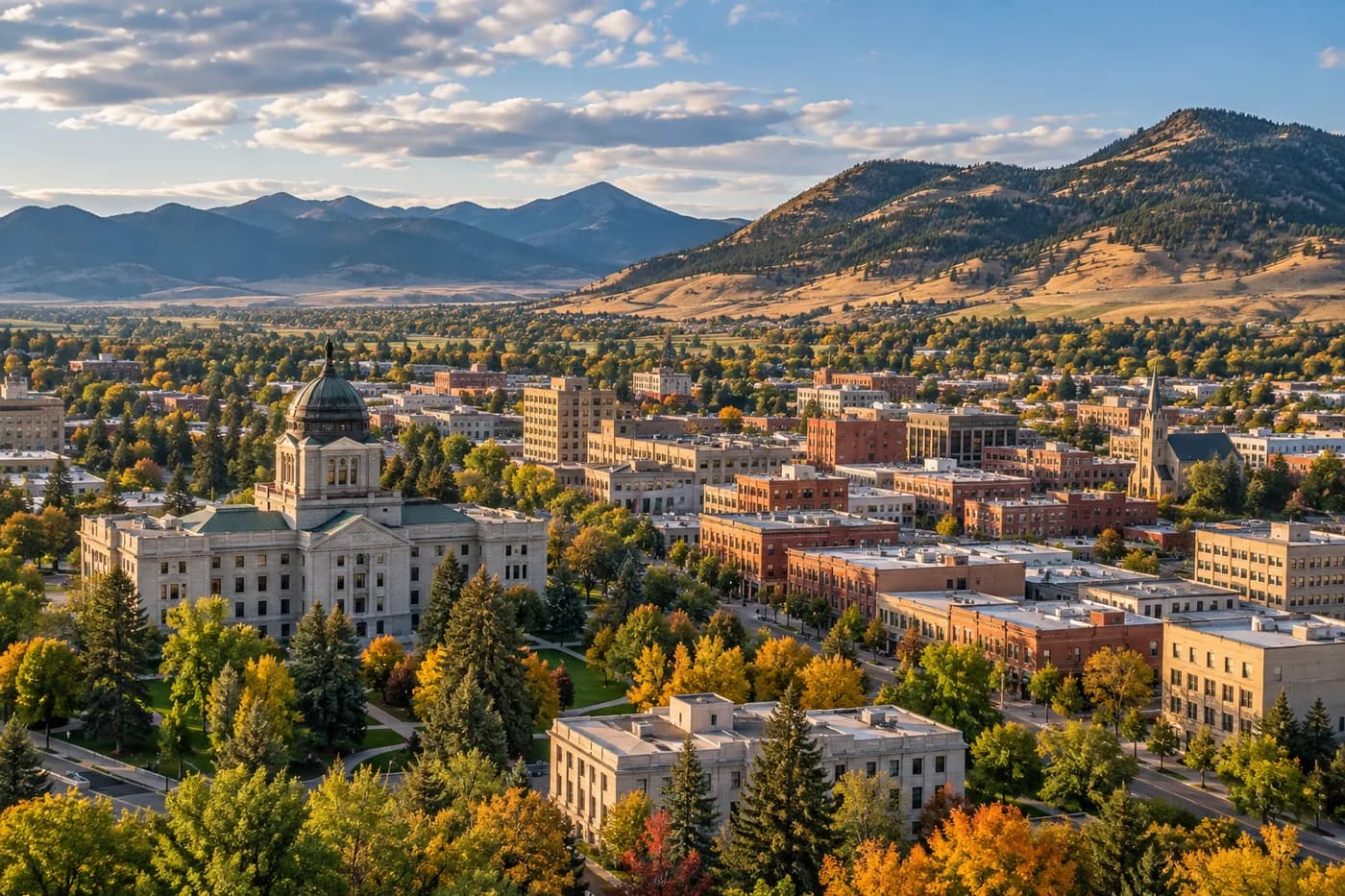
Semi-Arid Continental · suburban setting
Read the local guide →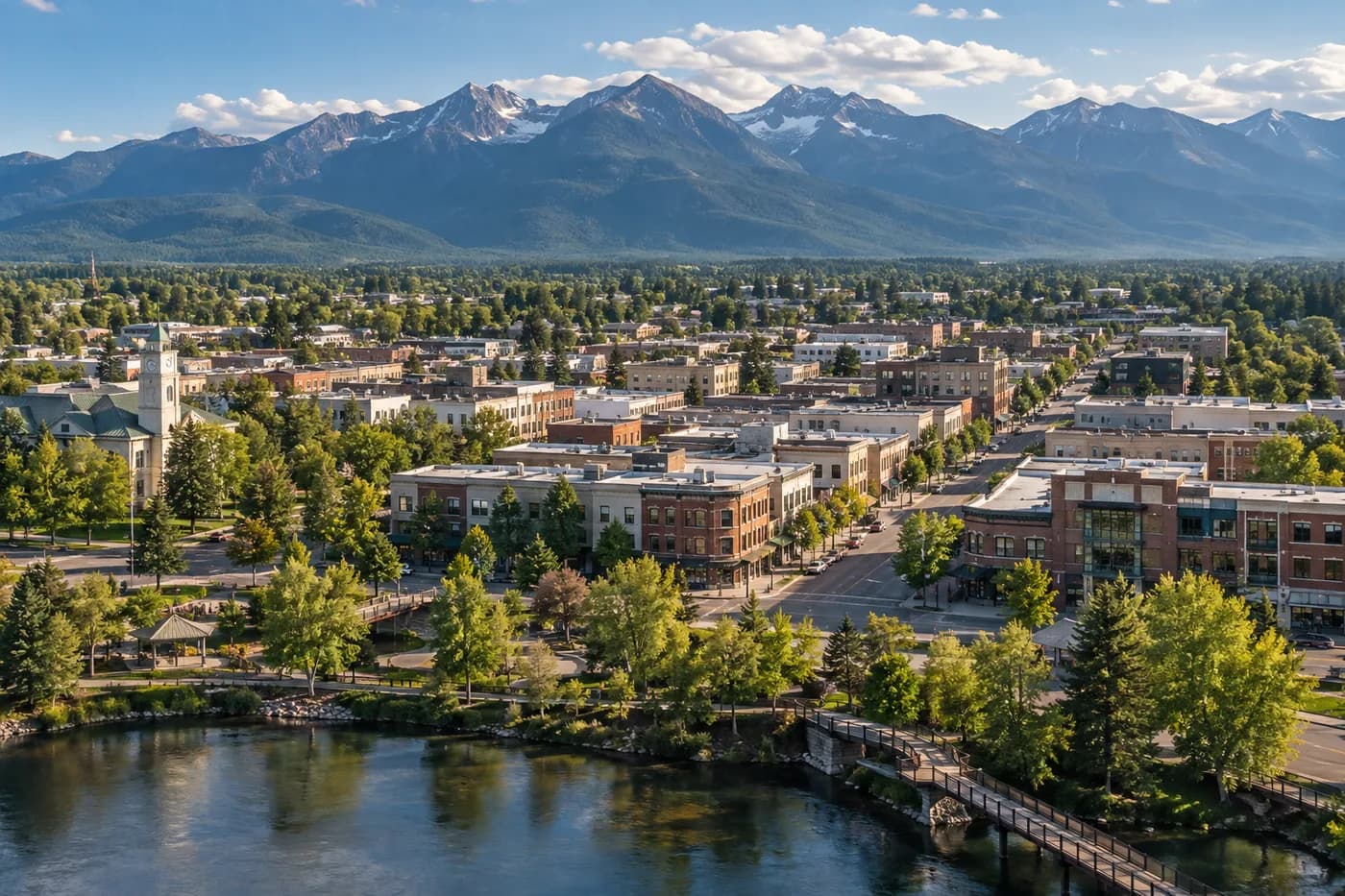
Warm Summer Continental · suburban setting
Read the local guide →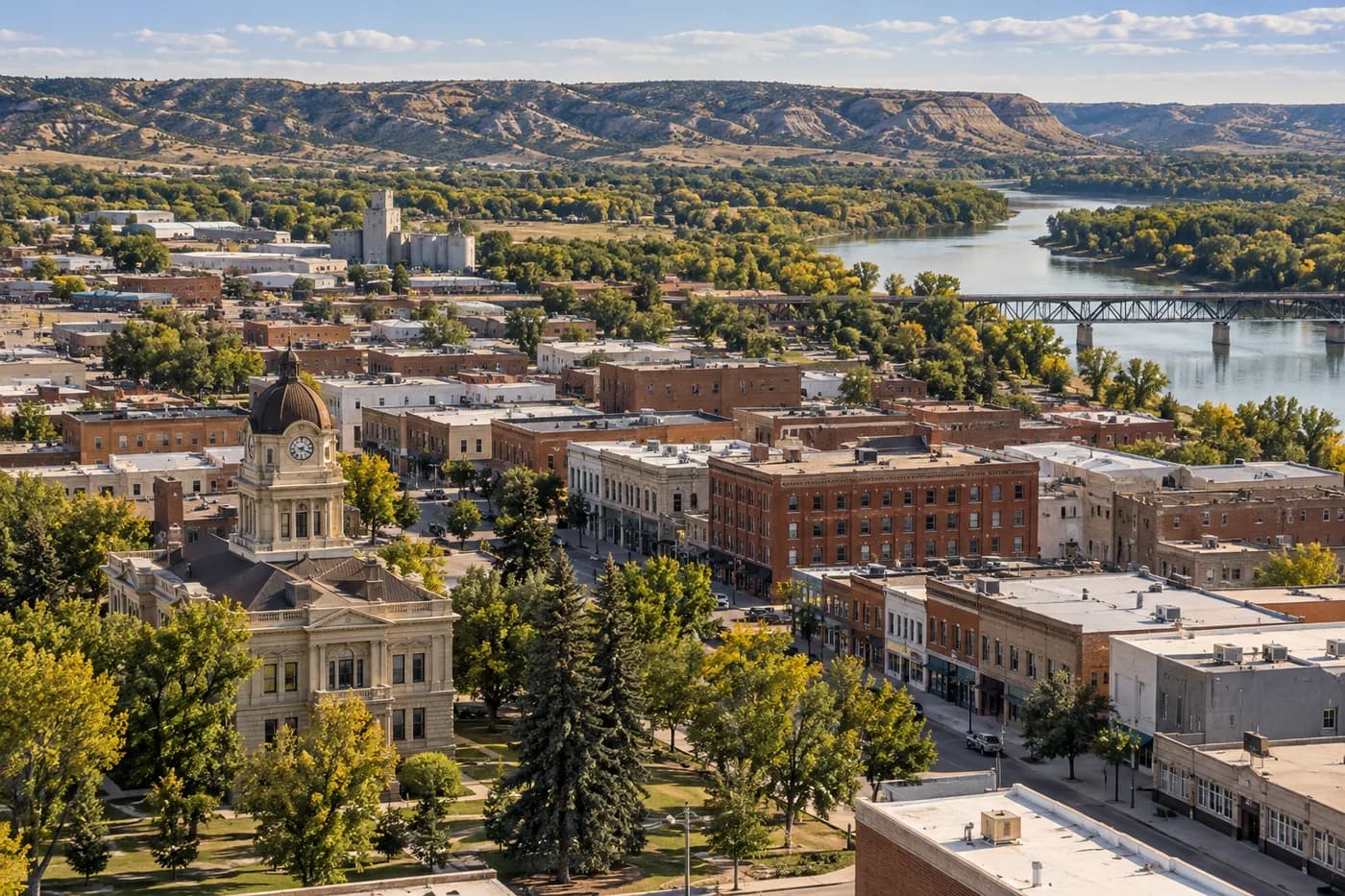
Semi-Arid Continental · rural setting
Read the local guide →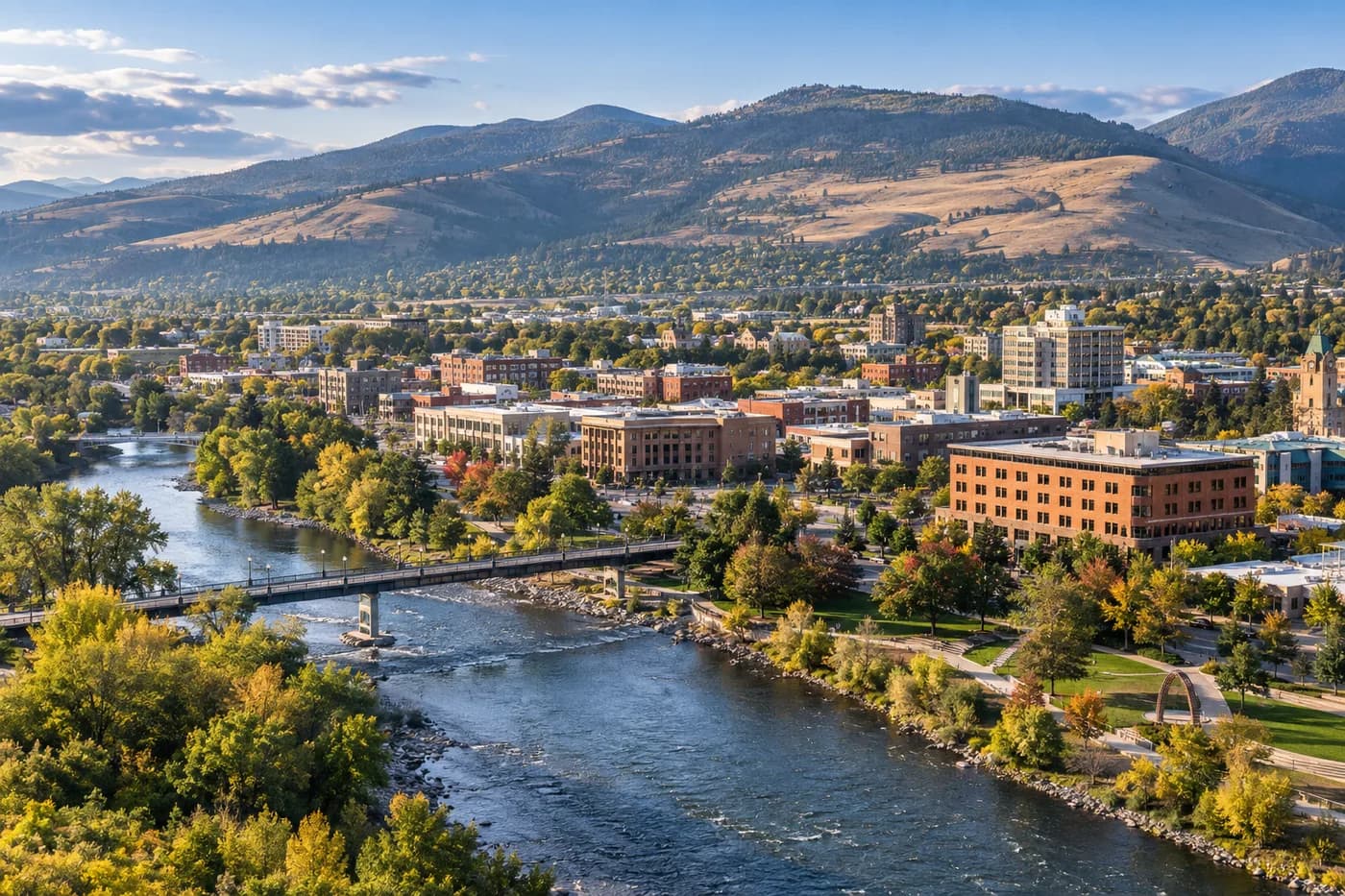
Warm Summer Continental · urban setting
Read the local guide →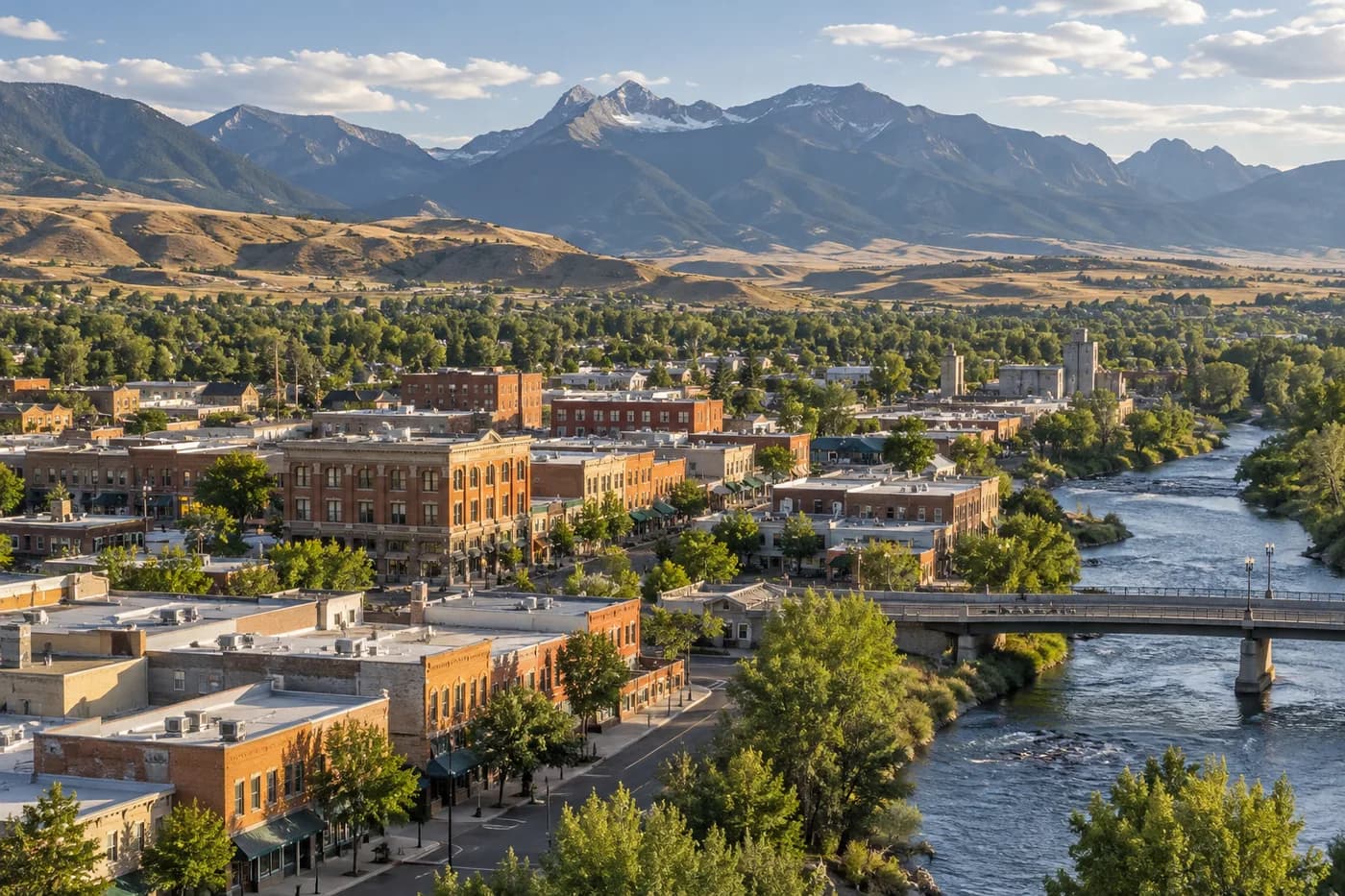
Warm Summer Continental · rural setting
Read the local guide →