Around Nebraska
Conditions vary across the state. Choose your city below, then describe what’s happening around your home or business.
Local fly information
Learn what to look for around your property, explore your city, and ask about an inspection or a quote.
Conditions vary across the state. Choose your city below, then describe what’s happening around your home or business.
Where you see flies, how long it has been going on, and anything you’ve already tried are the most useful details to mention.
Ask about an inspection, what treatment would involve, and whether follow-up visits are included. You don’t need to identify the problem yourself before getting in touch.
Before you compare quotes, it helps to know which flies actually live in Nebraska, when they are busiest, and what the state figures look like. Everything below links to the agency or university page it came from.
Nebraska homeowners near pasture and feedlot country are most likely to encounter biting stable flies, which readily attack people, along with the two cattle-specific species.
Nebraska Extension, University of Nebraska-Lincoln (UNL Beef)Stable fly numbers in Nebraska routinely run above the treatment threshold, so the biting flies around a rural home are a genuine seasonal population, not an occasional stray.
Nebraska Extension, University of Nebraska-Lincoln (UNL Beef)Wet straw, spilled feed or old hay near a Nebraska home can produce a new brood of biting flies in roughly two to three weeks.
Nebraska Extension, University of Nebraska-Lincoln (UNL Beef)Nebraska Extension reports horn fly adults emerging in late March through May, populations peaking in July and August with a second peak in late August and September, and breeding continuing until a freeze kills the adults; face fly populations usually peak in late July and August.
Nebraska Extension advises monitoring fly counts against defined thresholds (200 horn flies per animal, five stable flies per leg) and rotating insecticide classes, since horn flies have shown resistance.
Sources: Nebraska Extension, University of Nebraska-Lincoln (UNL Beef); Texas A&M AgriLife Extension; University of New Hampshire Extension; Flies (Home and Landscape). Figures are quoted as the source prints them. How we check our sources
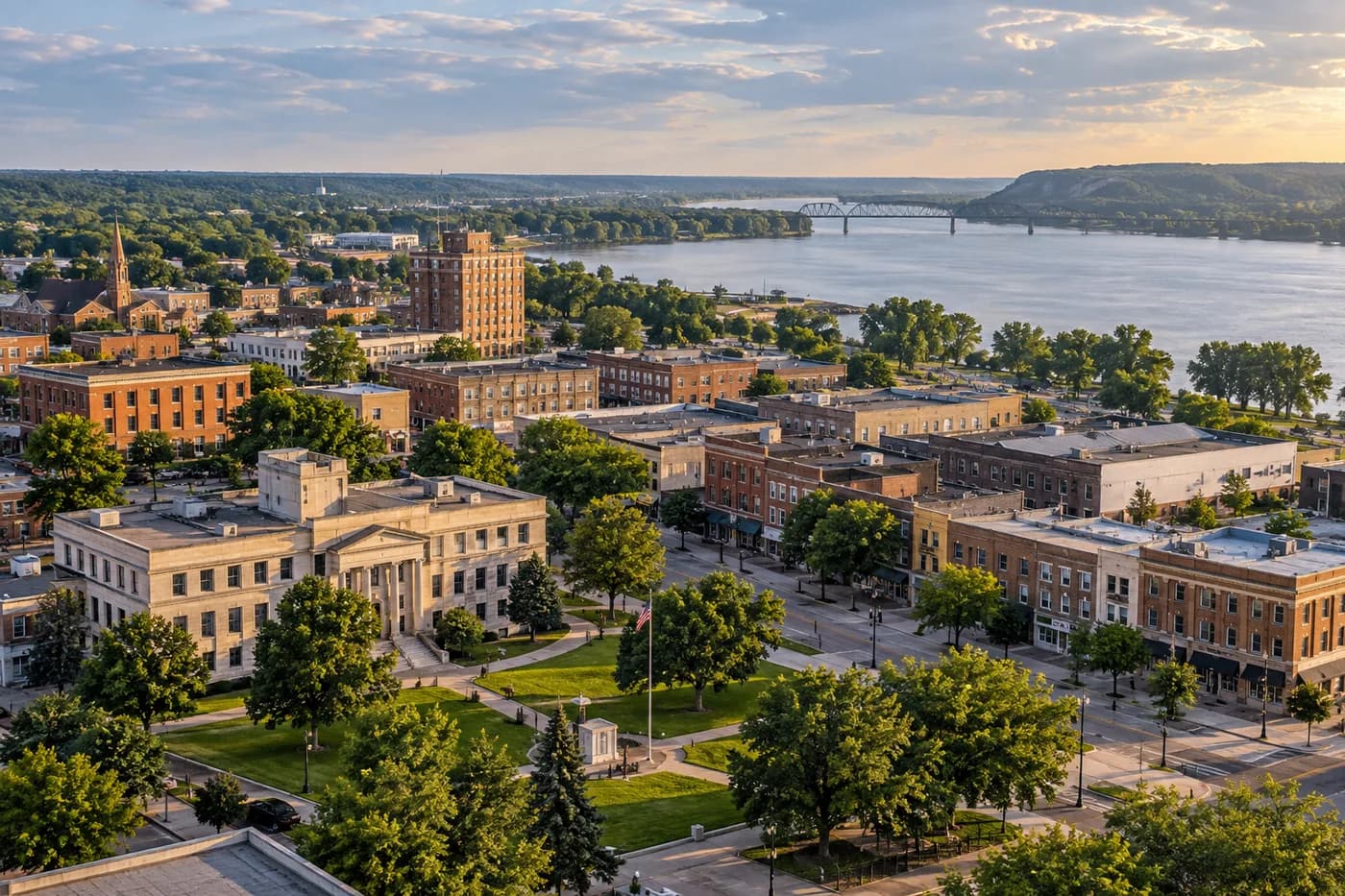
Humid Continental · suburban setting
Read the local guide →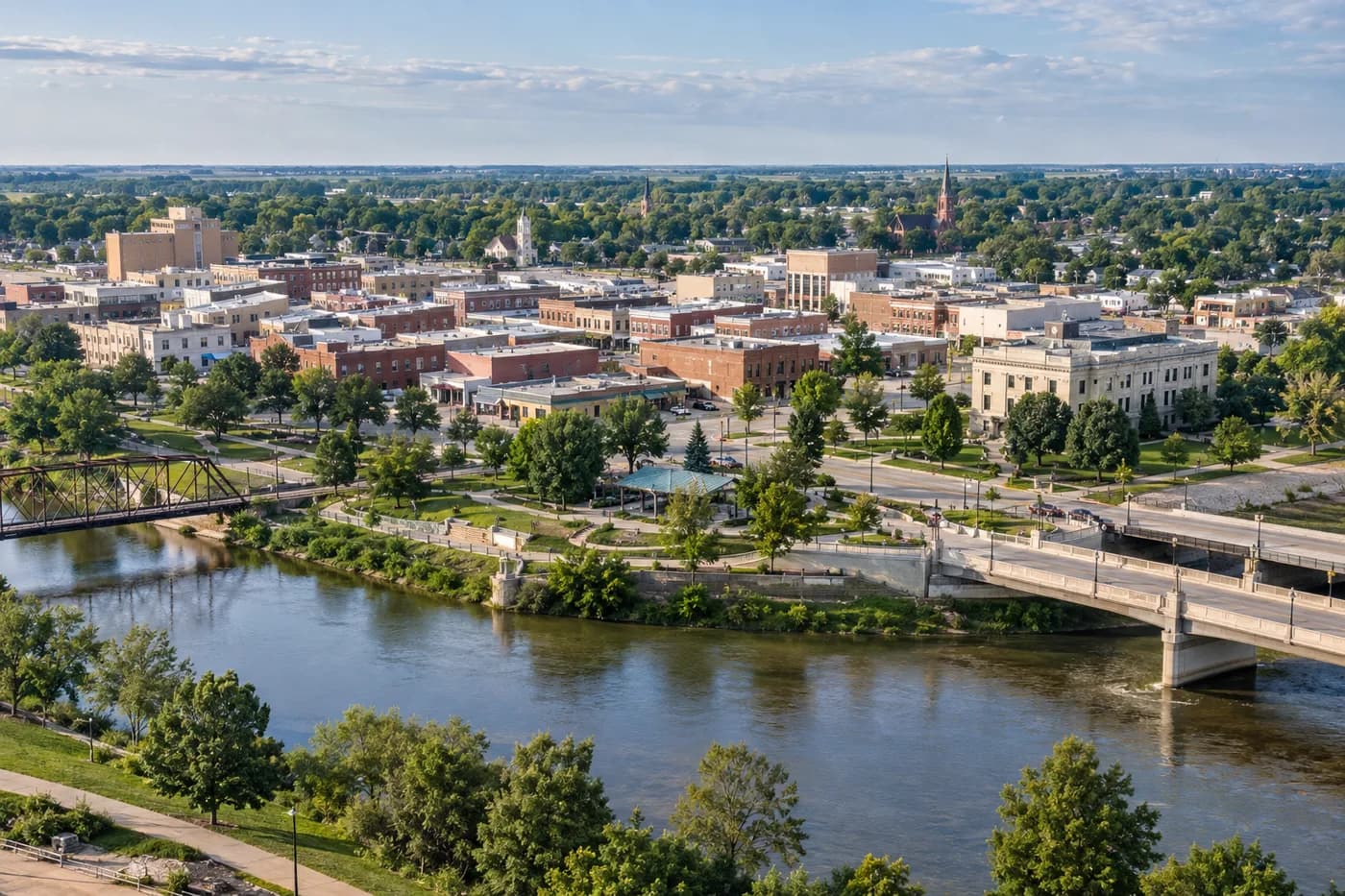
Humid Continental · rural setting
Read the local guide →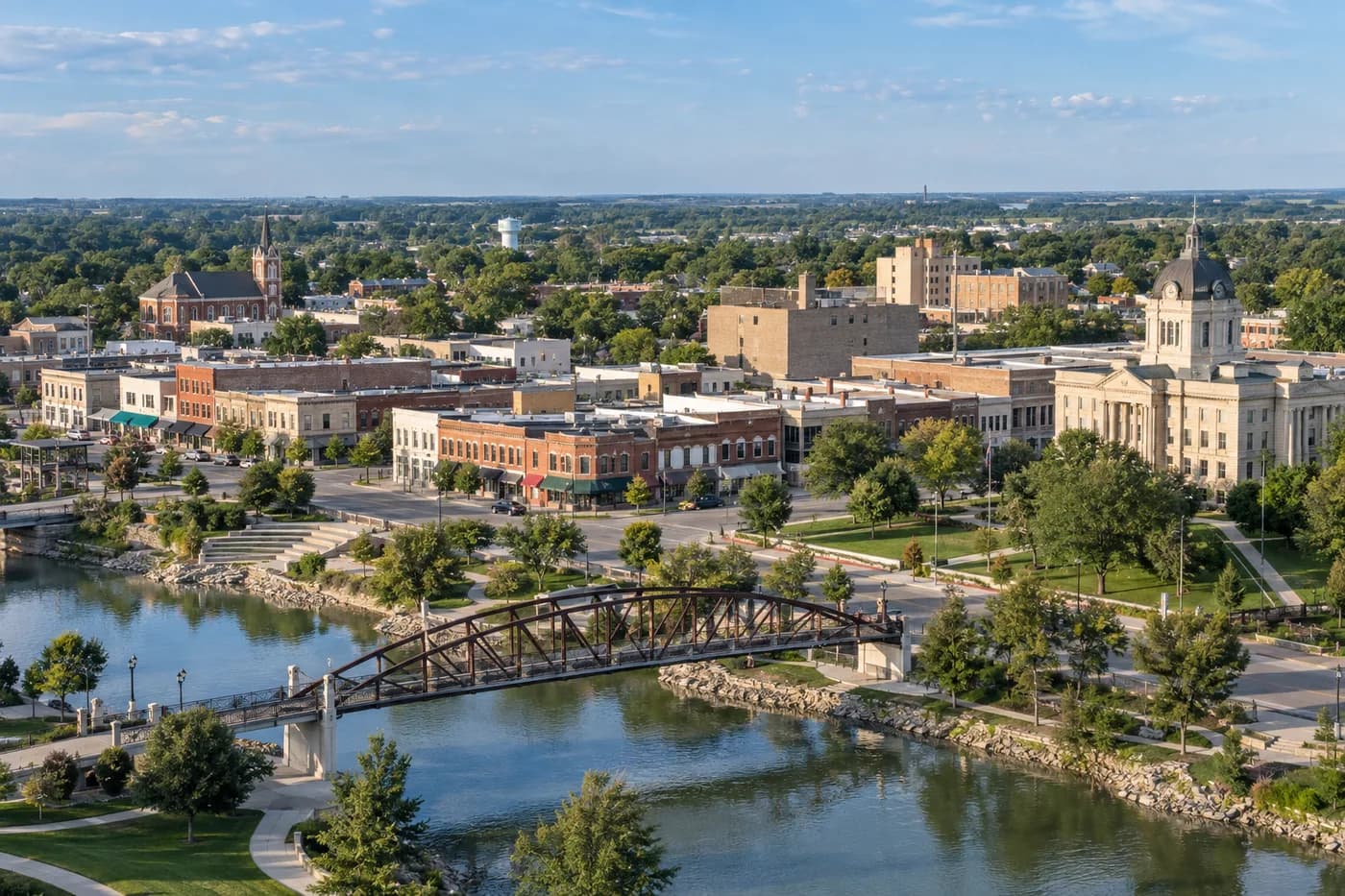
Humid Continental · rural setting
Read the local guide →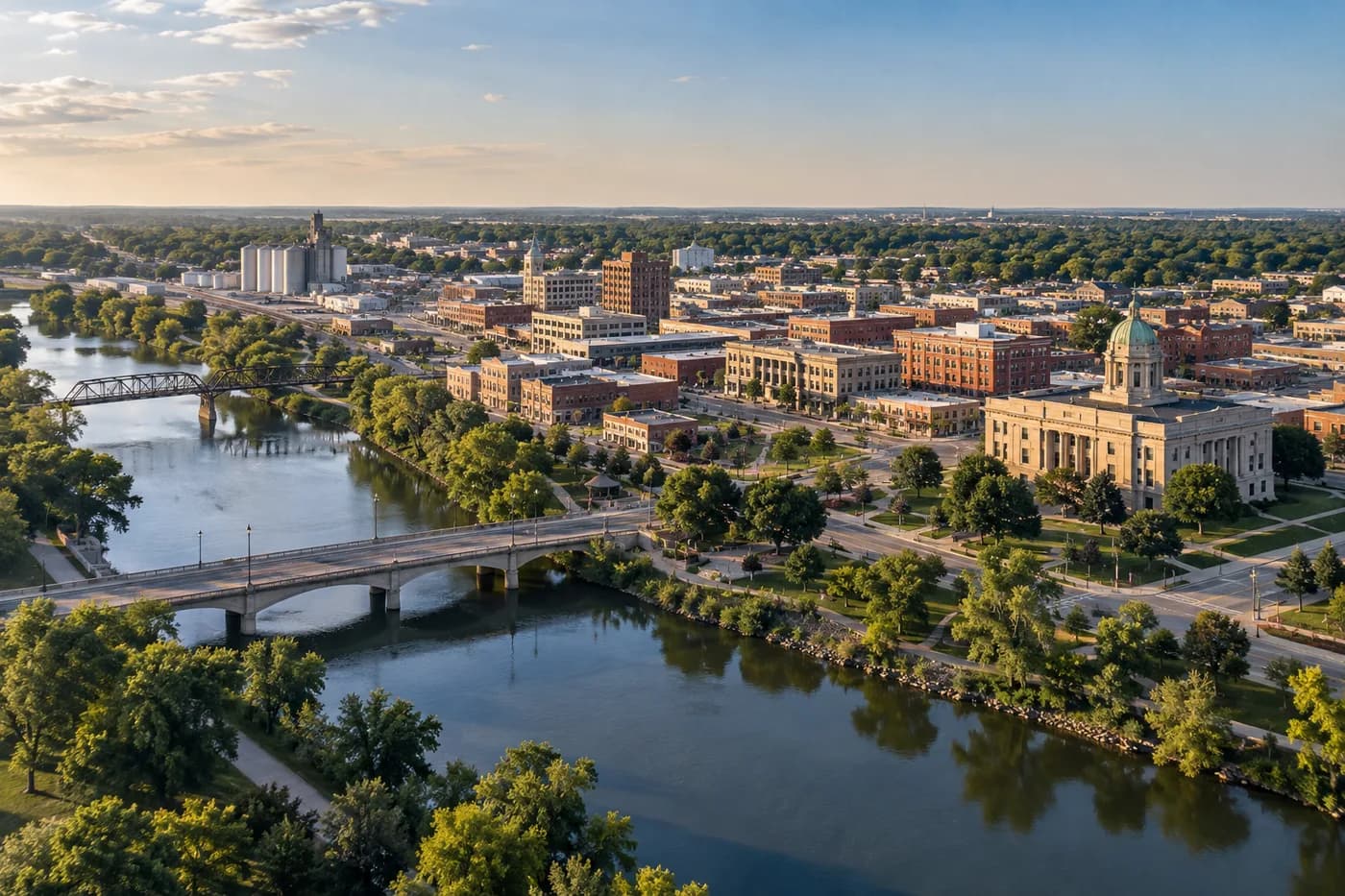
Humid Continental · suburban setting
Read the local guide →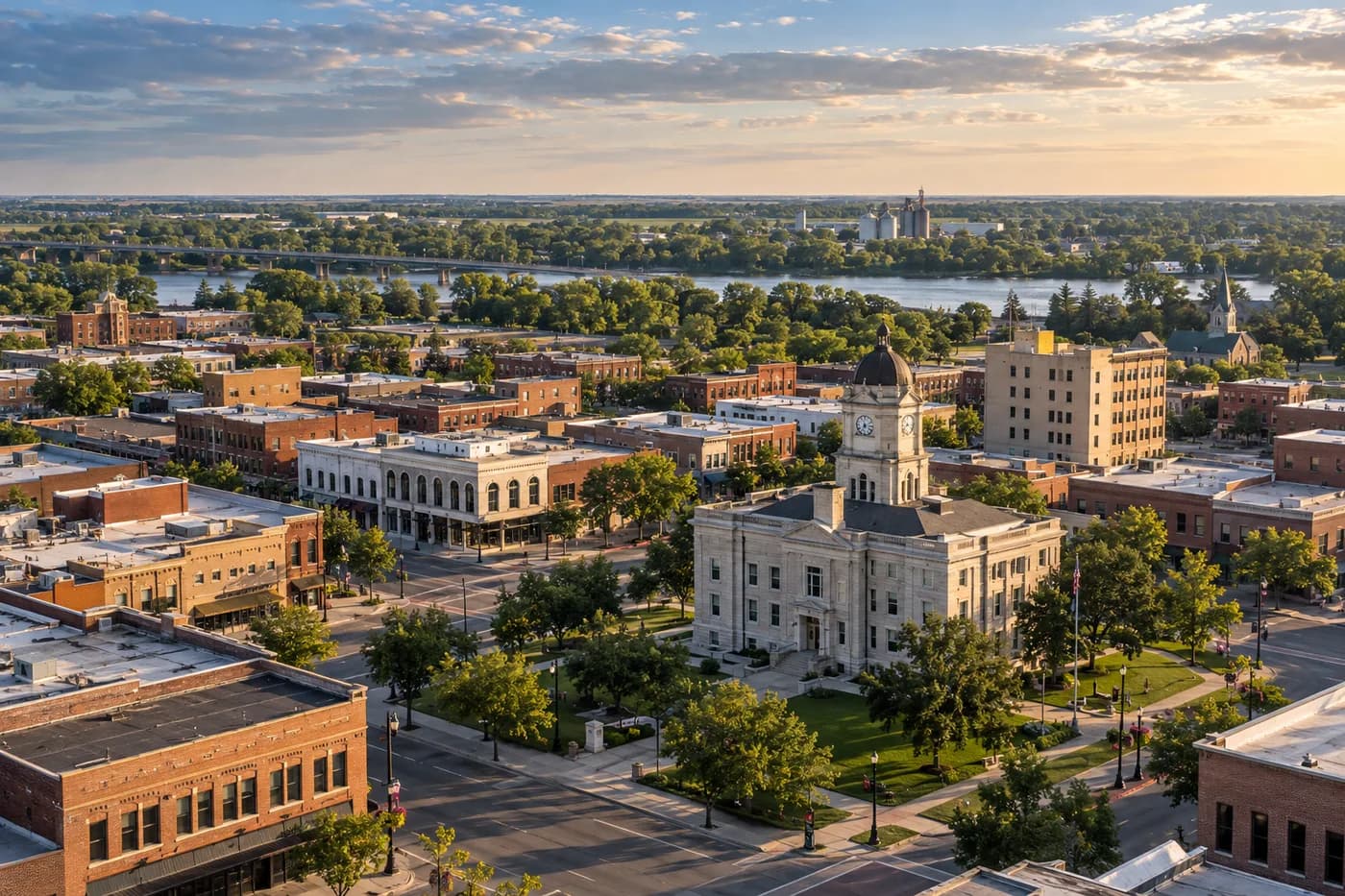
Humid Continental · rural setting
Read the local guide →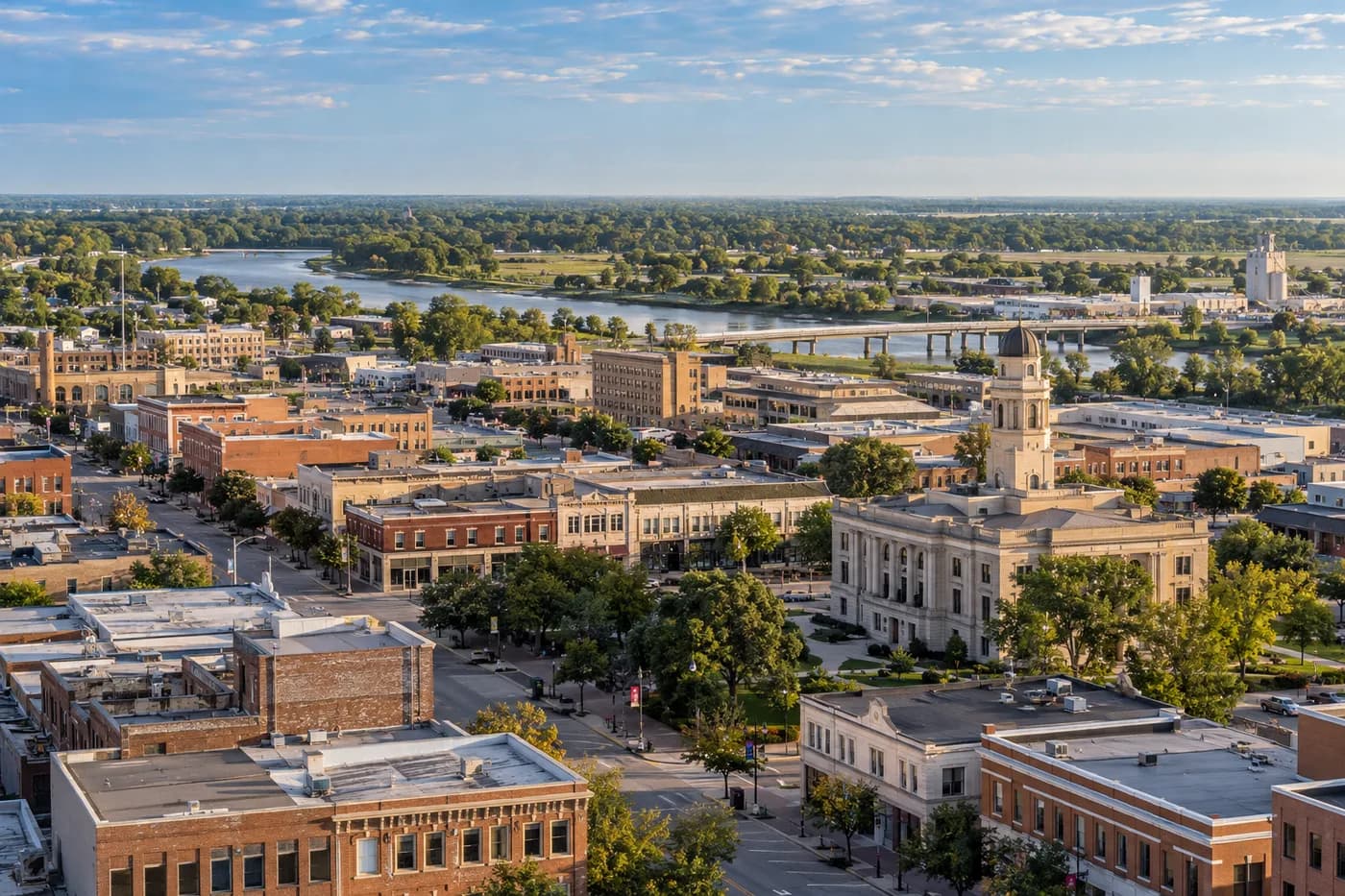
Humid Continental · suburban setting
Read the local guide →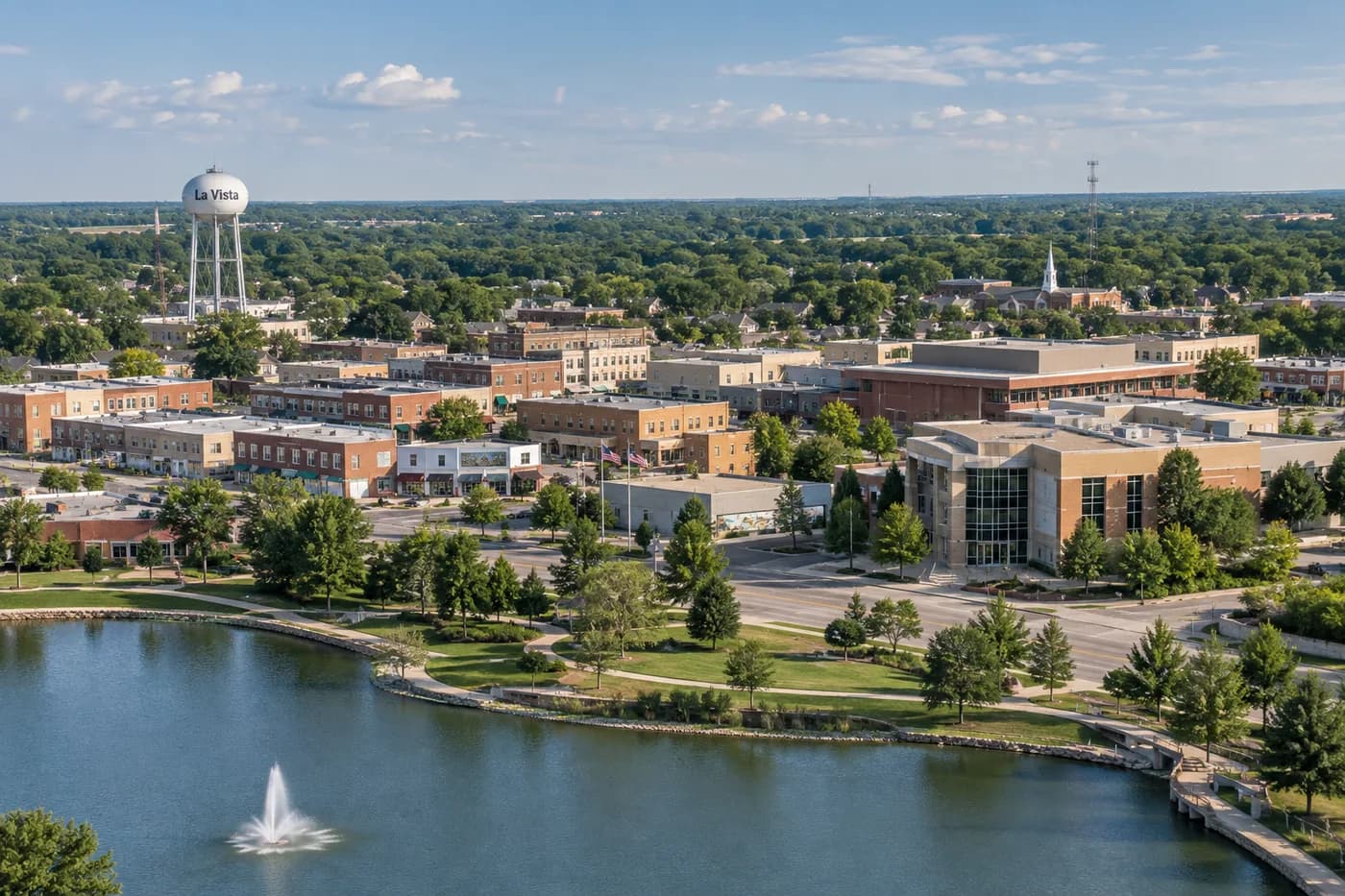
Humid Continental · suburban setting
Read the local guide →
Humid Continental · urban setting
Read the local guide →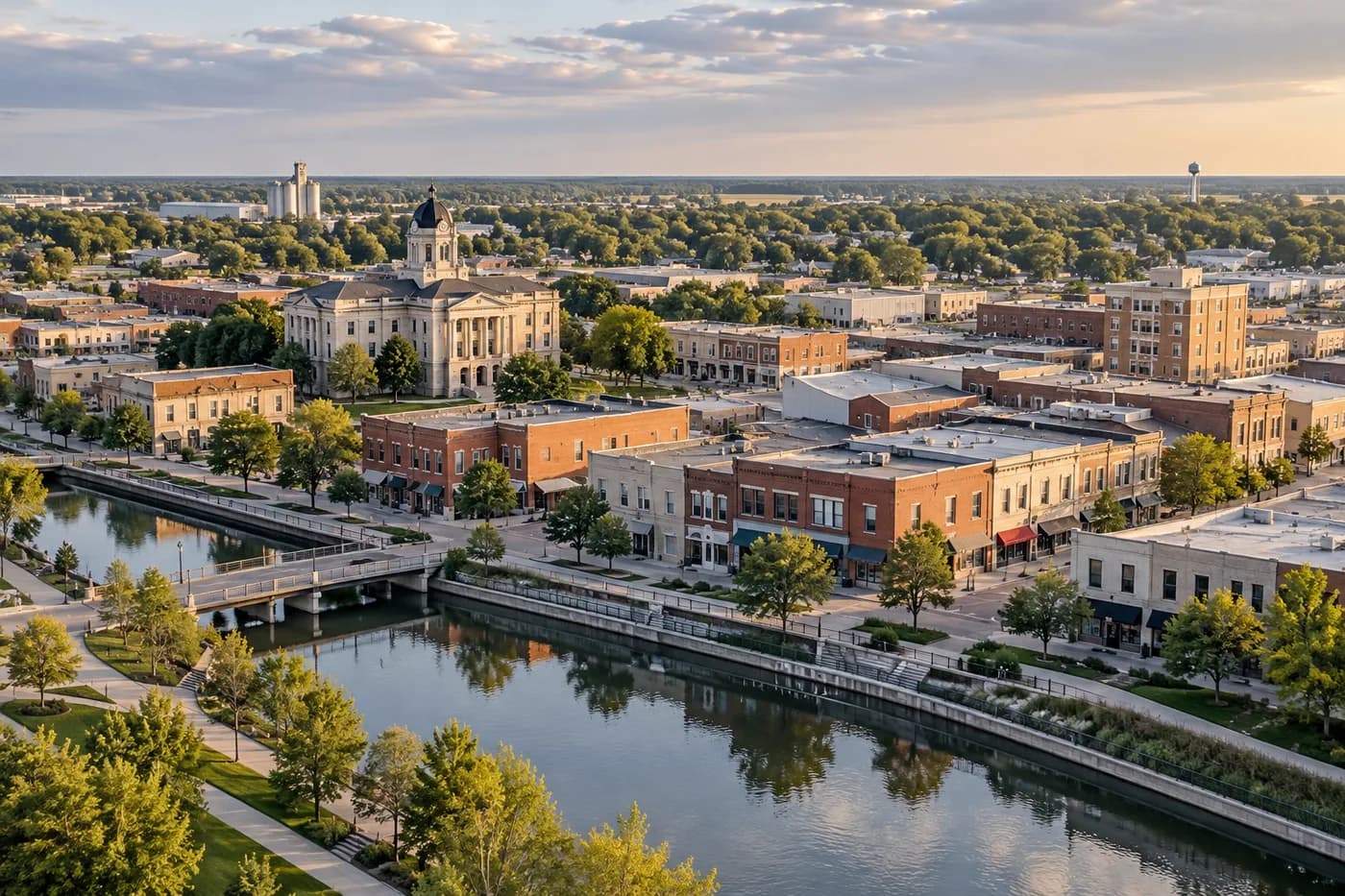
Humid Continental · rural setting
Read the local guide →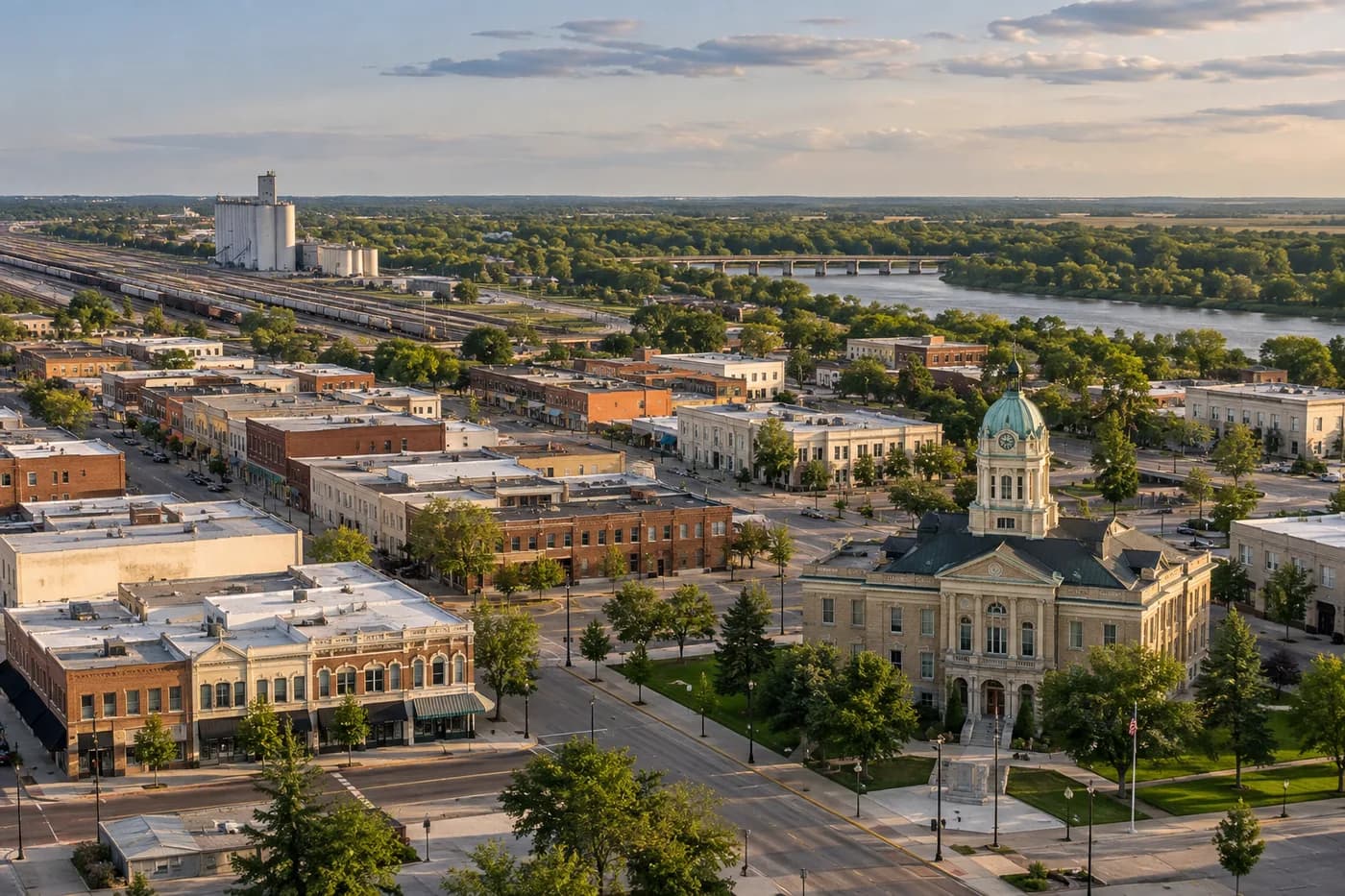
Semi-Arid Continental · rural setting
Read the local guide →
Humid Continental · urban setting
Read the local guide →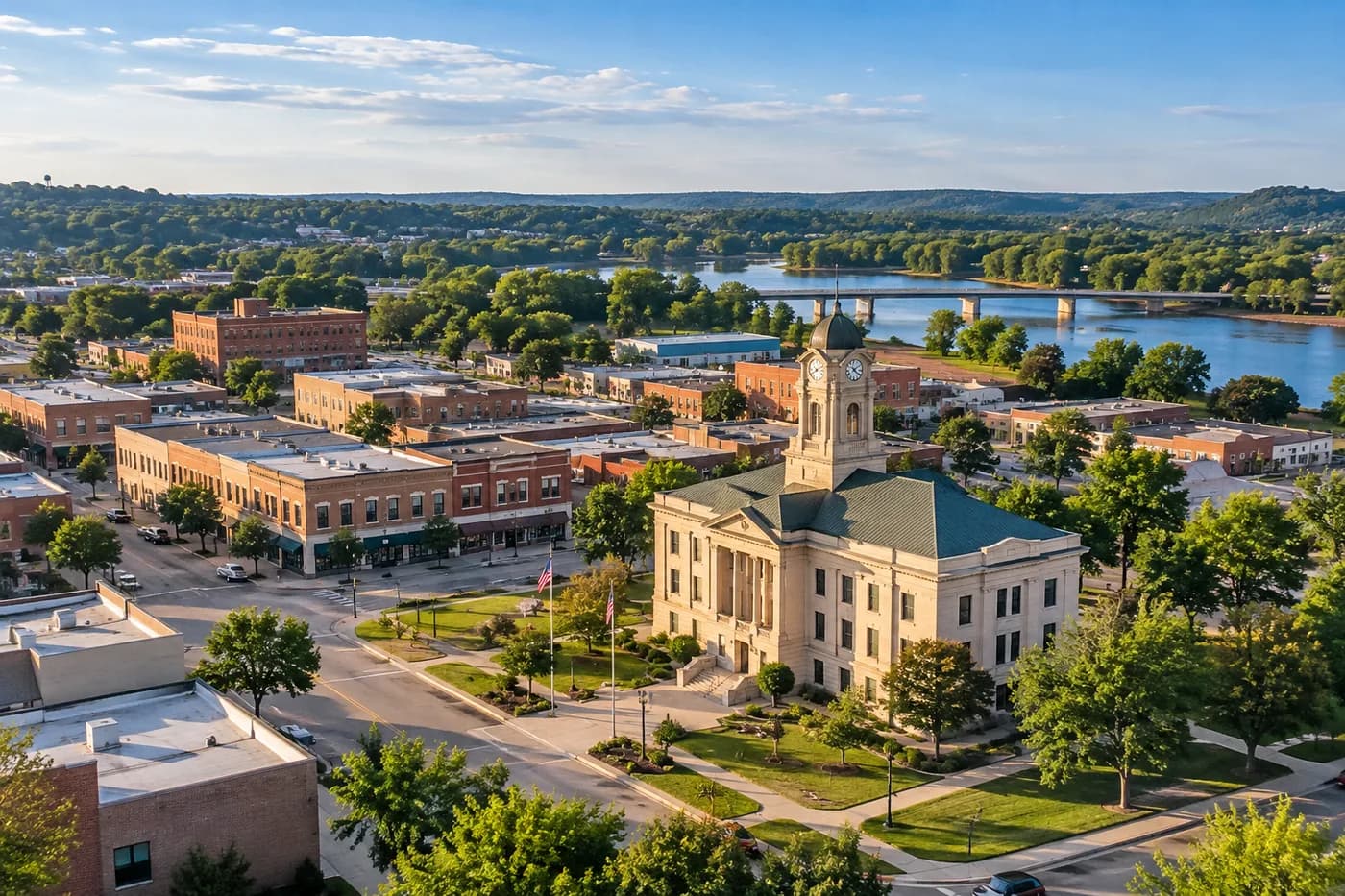
Humid Continental · suburban setting
Read the local guide →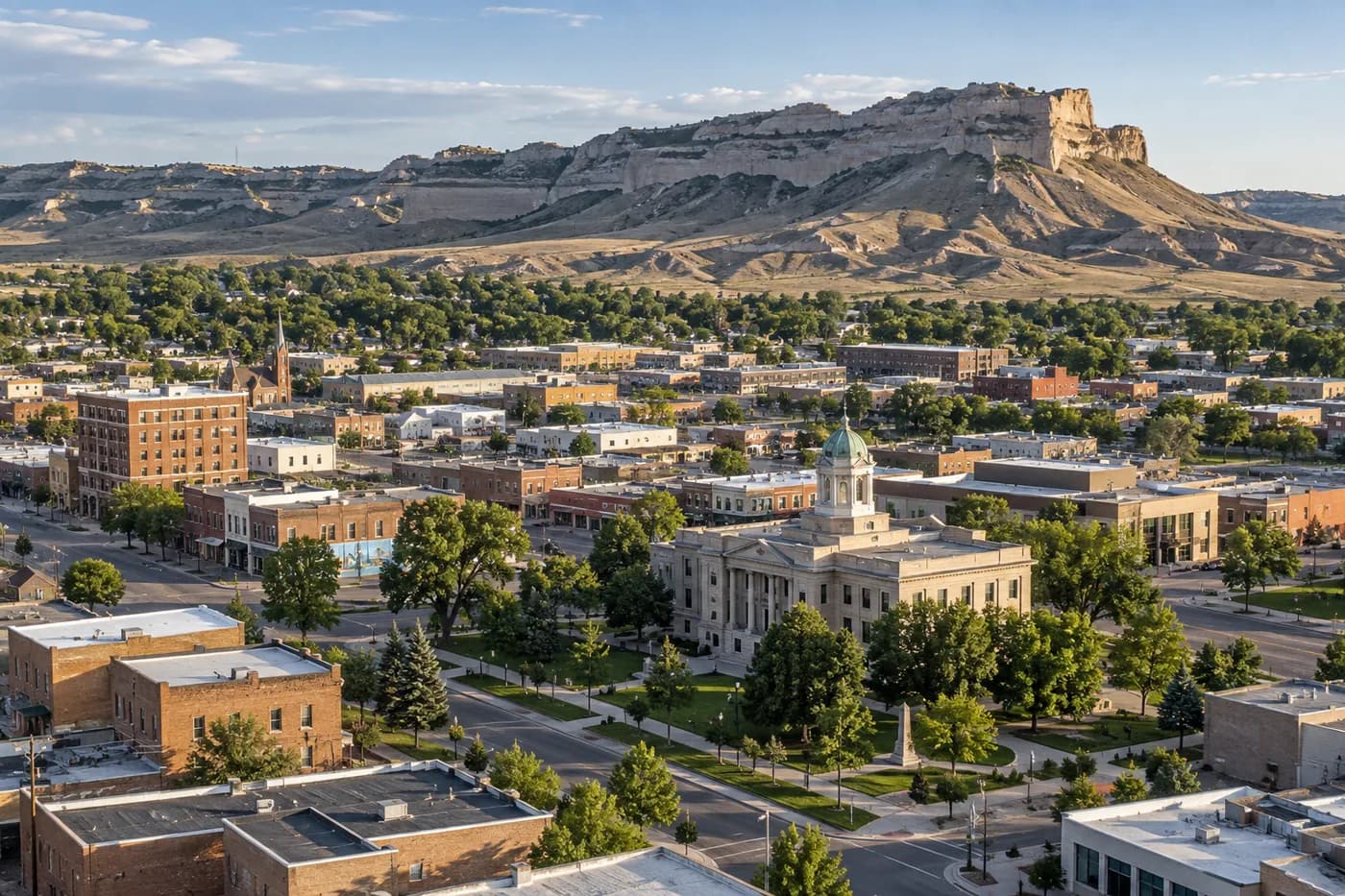
Semi-Arid Continental · rural setting
Read the local guide →