Around Oregon
Conditions vary across the state. Choose your city below, then describe what’s happening around your home or business.
Local fly information
Learn what to look for around your property, explore your city, and ask about an inspection or a quote.
Conditions vary across the state. Choose your city below, then describe what’s happening around your home or business.
Where you see flies, how long it has been going on, and anything you’ve already tried are the most useful details to mention.
Ask about an inspection, what treatment would involve, and whether follow-up visits are included. You don’t need to identify the problem yourself before getting in touch.
Before you compare quotes, it helps to know which flies actually live in Oregon, when they are busiest, and what the state figures look like. Everything below links to the agency or university page it came from.
Oregon's cool season stretches the house fly cycle, so populations build more slowly but sanitation lapses still catch up by August.
Pacific Northwest Extension (Oregon State University, Washington State University, University of Idaho)A neighbor's compost, dumpster, or manure pile within a mile is a plausible source.
Pacific Northwest Extension (Oregon State University, Washington State University, University of Idaho)Oregon's fall cluster fly influx is a sealing problem, not a sanitation problem.
Pacific Northwest Extension (Oregon State University, Washington State University, University of Idaho)House flies are most prevalent in the warm summer months and take a month or longer per generation in the Pacific Northwest; cluster flies move indoors in late summer and fall.
PNW 770 advises keeping dumpsters 50 feet or more from building entrances, emptying them at intervals under a week, and using plug-in UV light traps with sticky boards to locate where small flies are emerging.
Sources: Pacific Northwest Extension (Oregon State University, Washington State University, University of Idaho); Indoor Flies and Their Control; University of New Hampshire Extension; Flies (Home and Landscape). Figures are quoted as the source prints them. How we check our sources

Mediterranean · suburban setting
Read the local guide →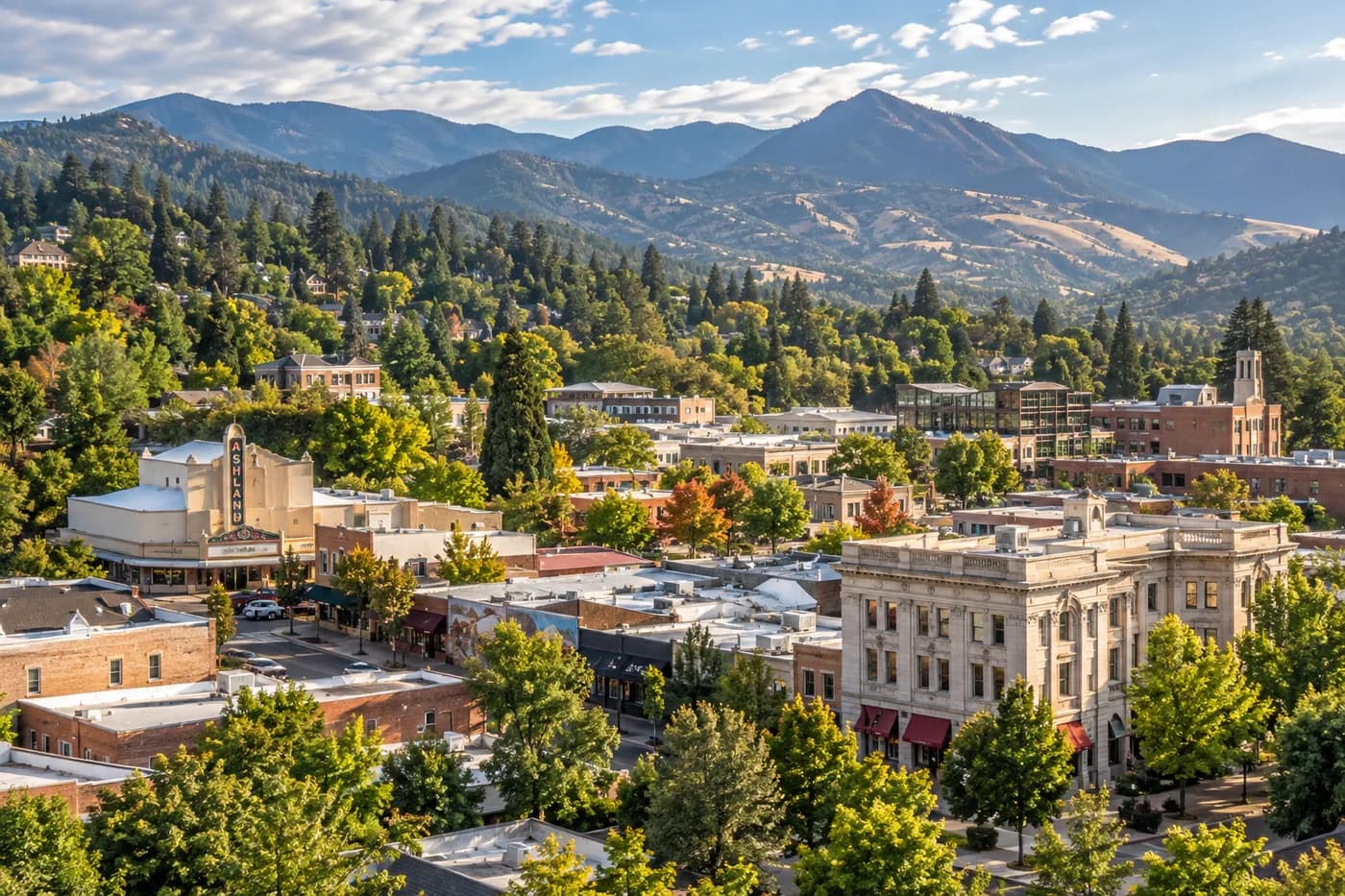
Mediterranean · rural setting
Read the local guide →
Mediterranean · suburban setting
Read the local guide →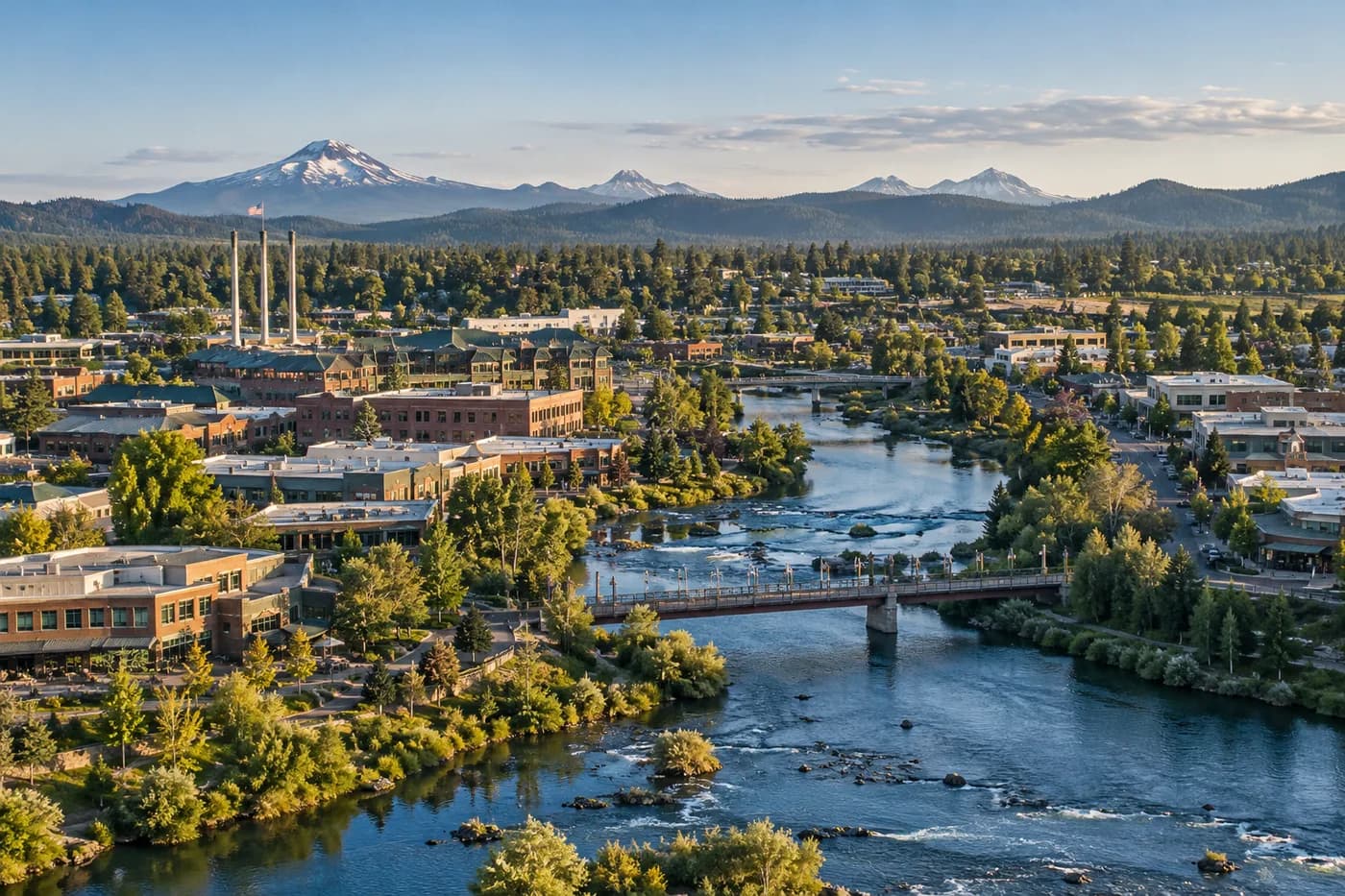
High Desert · suburban setting
Read the local guide →
Mediterranean · suburban setting
Read the local guide →
Mediterranean · urban setting
Read the local guide →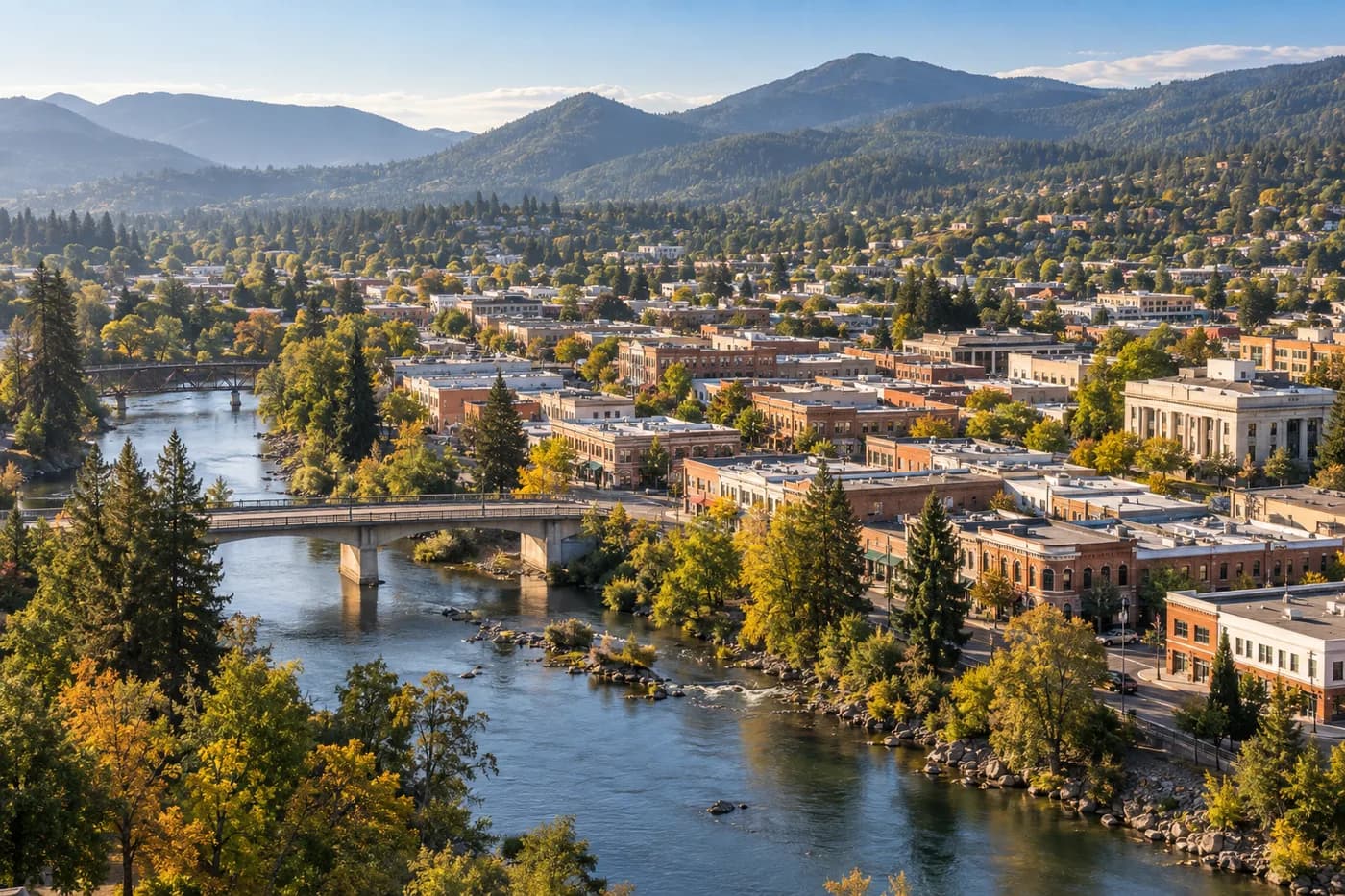
Mediterranean · rural setting
Read the local guide →
Mediterranean · suburban setting
Read the local guide →
Mediterranean · suburban setting
Read the local guide →
Mediterranean · suburban setting
Read the local guide →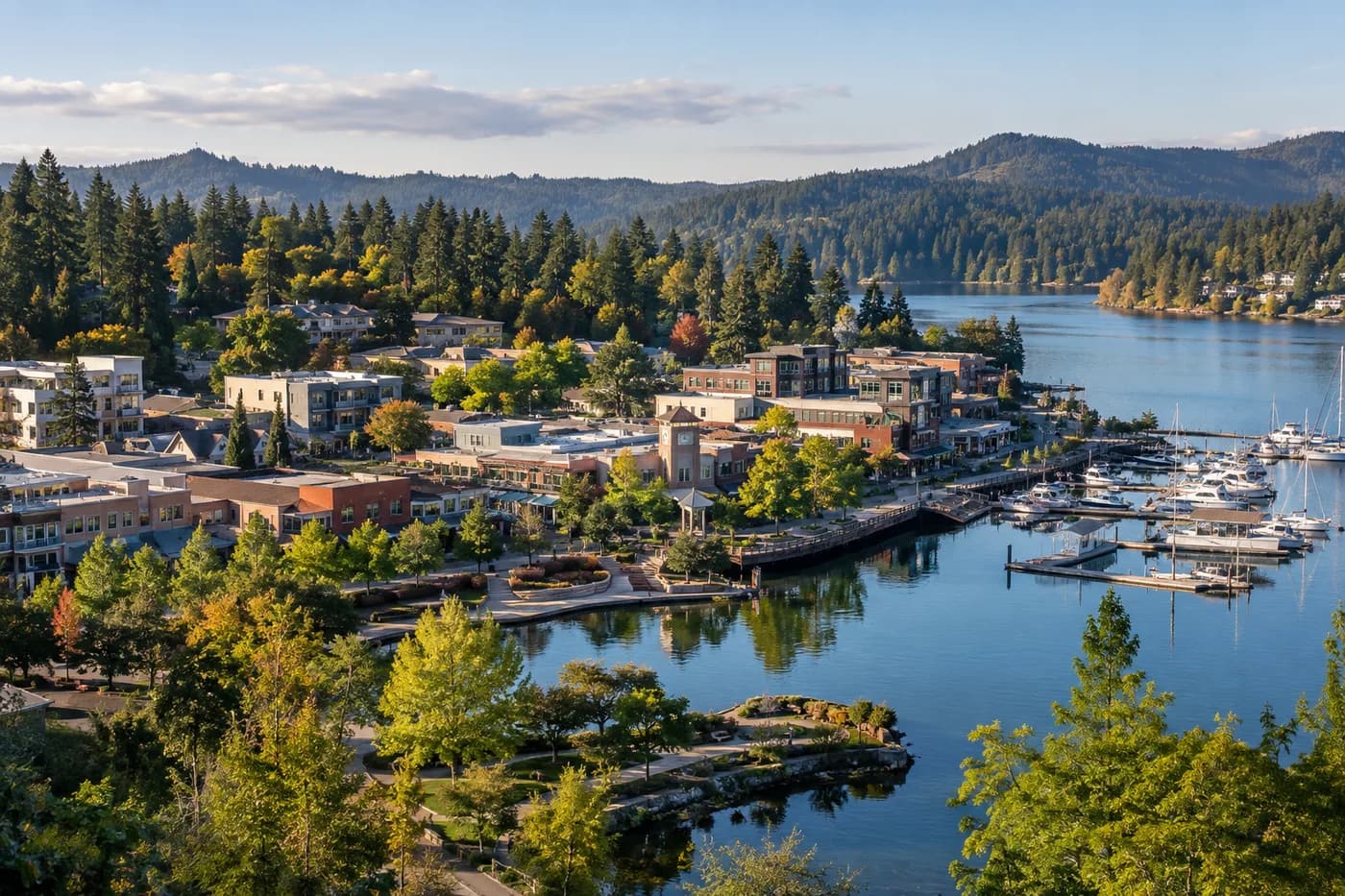
Mediterranean · suburban setting
Read the local guide →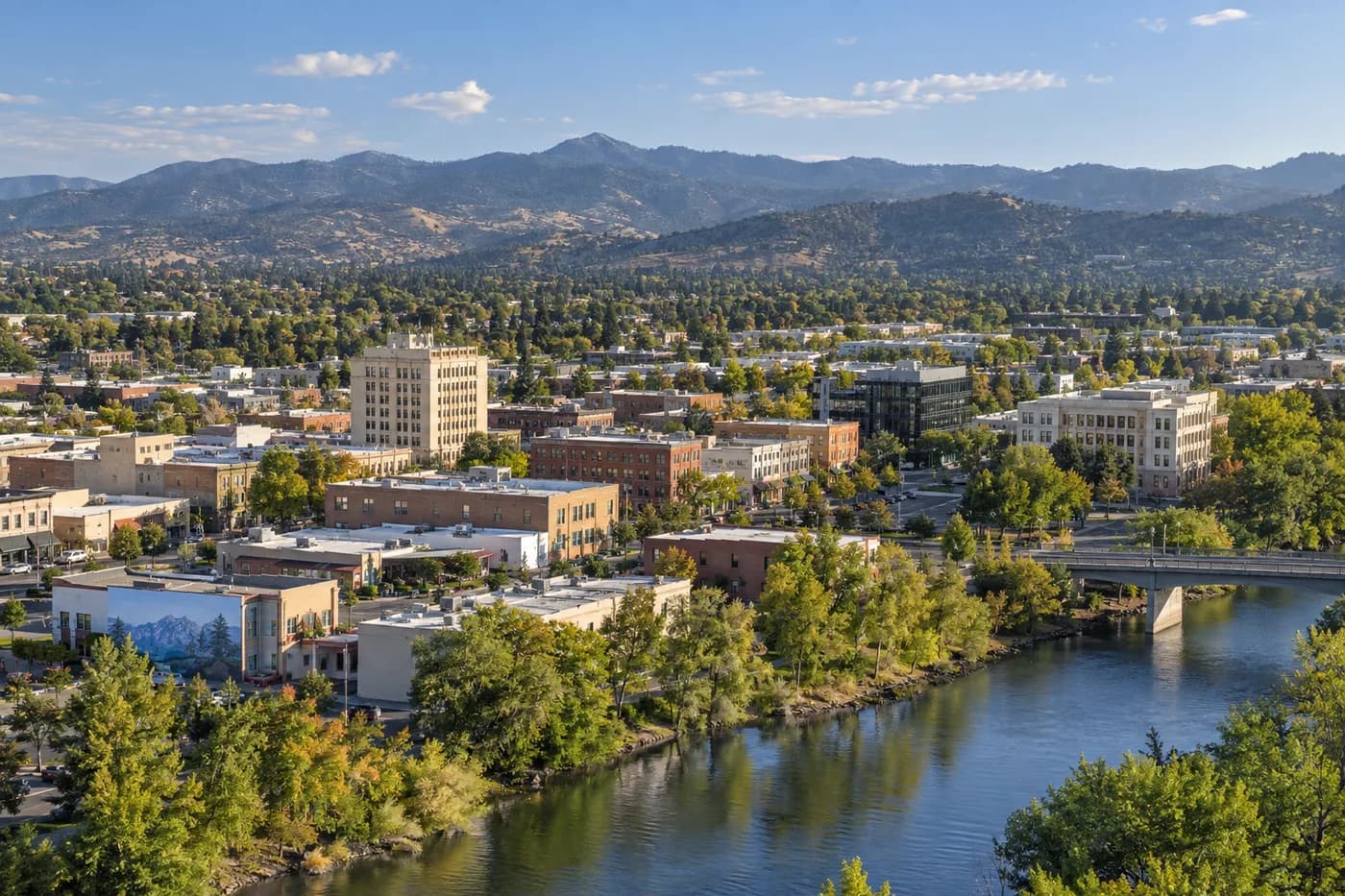
Mediterranean · suburban setting
Read the local guide →
Mediterranean · urban setting
Read the local guide →
Mediterranean · urban setting
Read the local guide →
Mediterranean · suburban setting
Read the local guide →
Mediterranean · suburban setting
Read the local guide →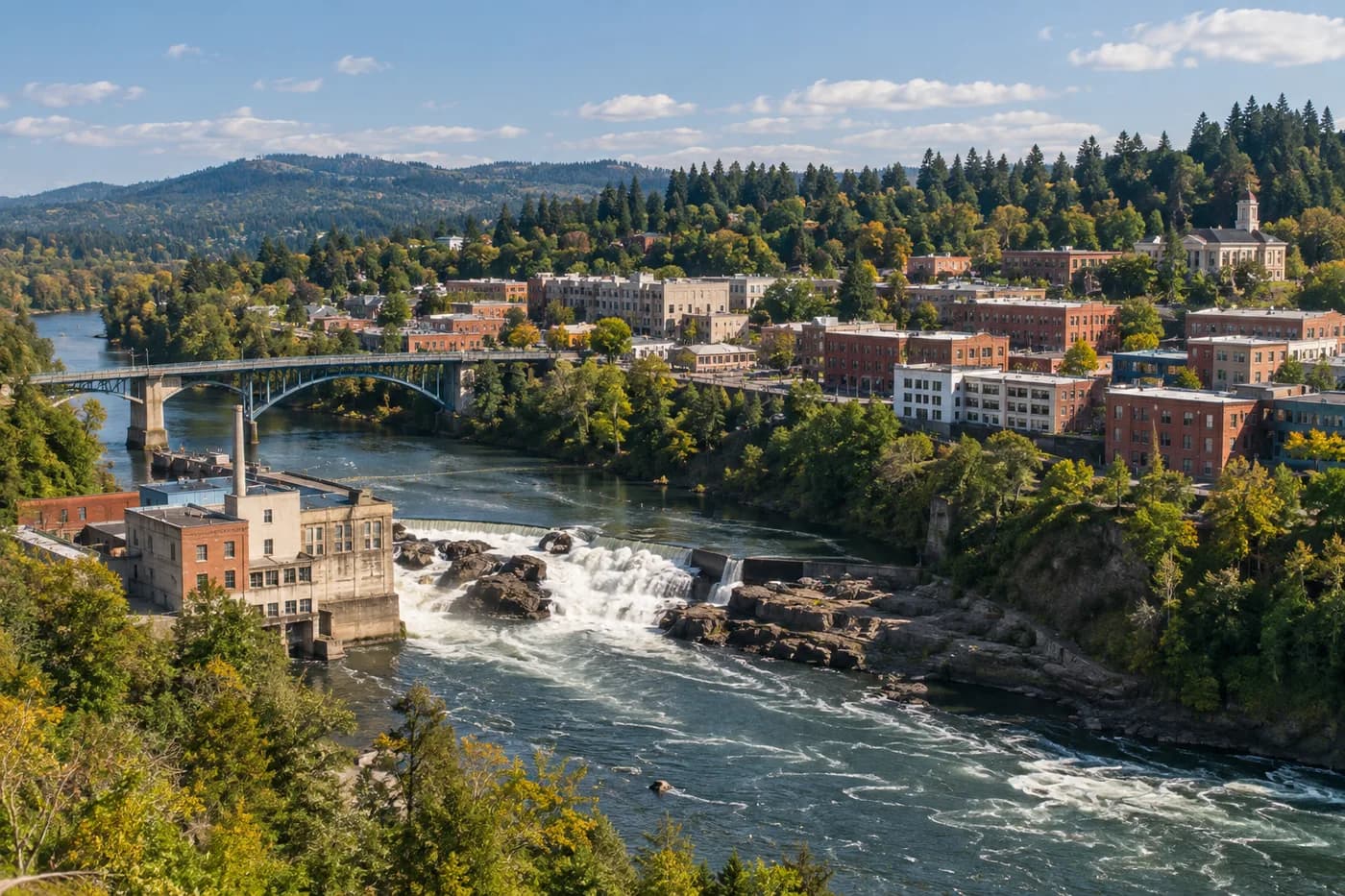
Mediterranean · suburban setting
Read the local guide →