Around Michigan
Conditions vary across the state. Choose your city below, then describe what’s happening around your home or business.
Local fly information
Learn what to look for around your property, explore your city, and ask about an inspection or a quote.
Conditions vary across the state. Choose your city below, then describe what’s happening around your home or business.
Where you see flies, how long it has been going on, and anything you’ve already tried are the most useful details to mention.
Ask about an inspection, what treatment would involve, and whether follow-up visits are included. You don’t need to identify the problem yourself before getting in touch.
Before you compare quotes, it helps to know which flies actually live in Michigan, when they are busiest, and what the state figures look like. Everything below links to the agency or university page it came from.
Michigan's layer flock is among the largest in the country, and confined poultry manure is a primary house fly breeding substrate near those operations.
USDA National Agricultural Statistics ServiceDairy manure handling in Michigan's cattle counties is the largest single driver of house fly and stable fly production near rural homes.
USDA National Agricultural Statistics ServiceWet, incompletely decomposed manure or compost on a neighboring property is a recognized fly source in Michigan, not just an odor problem.
Michigan Commission of Agriculture and Rural Development / MDARDMichigan's state manure guidance treats fly breeding as a function of decomposition and final moisture content, so keeping manure and compost dry and fully decomposed is the state-recognized control lever.
Sources: USDA National Agricultural Statistics Service; Michigan Commission of Agriculture and Rural Development / MDARD; Texas A&M AgriLife Extension; University of New Hampshire Extension. Figures are quoted as the source prints them. How we check our sources

Humid Continental · urban setting
Read the local guide →
Humid Continental · urban setting
Read the local guide →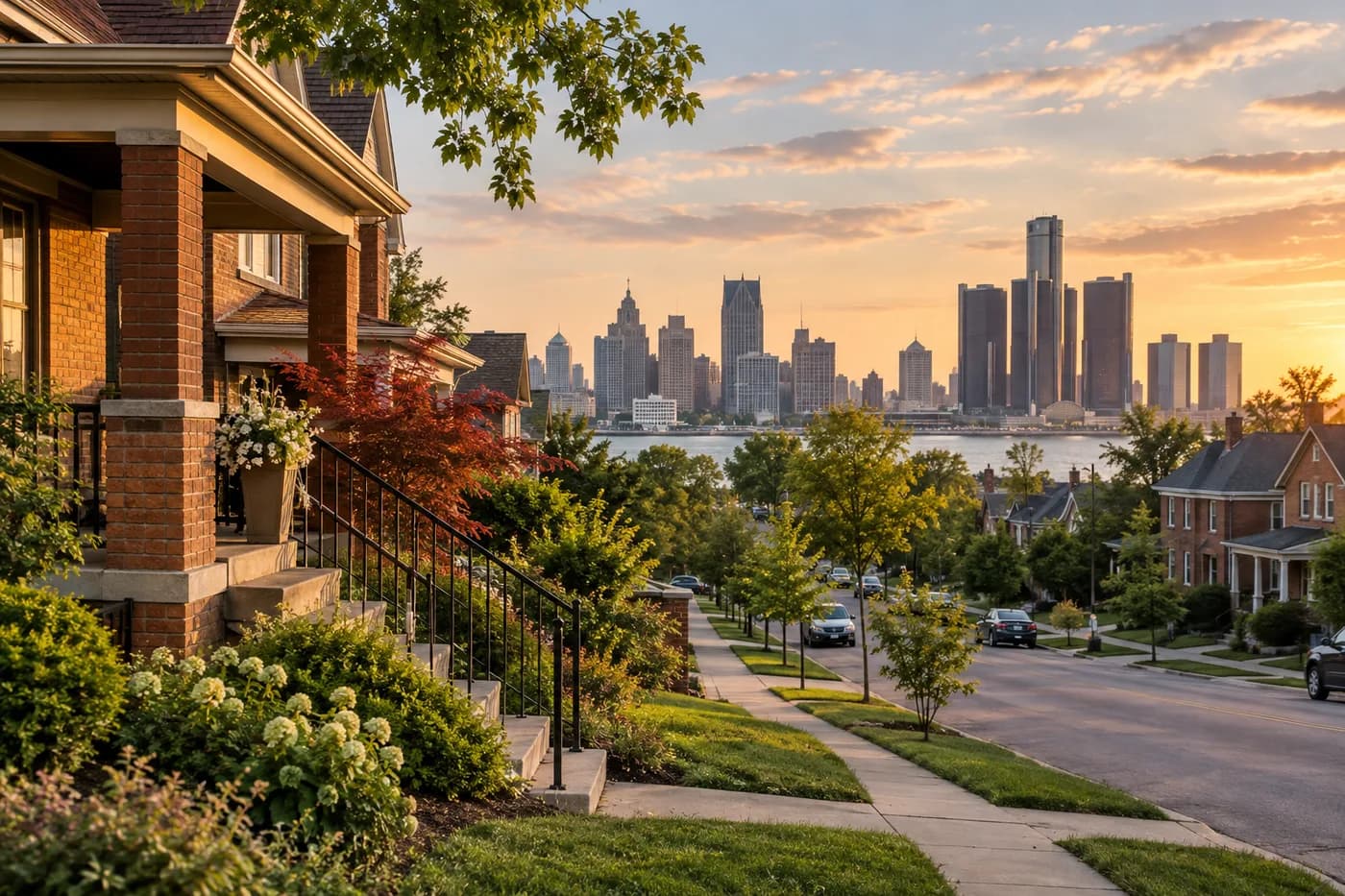
Humid Continental · urban setting
Read the local guide →
Humid Continental · suburban setting
Read the local guide →
Humid Continental · urban setting
Read the local guide →
Humid Continental · urban setting
Read the local guide →
Humid Continental · suburban setting
Read the local guide →
Humid Continental · urban setting
Read the local guide →
Humid Continental · suburban setting
Read the local guide →
Humid Continental · urban setting
Read the local guide →
Humid Continental · suburban setting
Read the local guide →
Humid Continental · urban setting
Read the local guide →
Humid Continental · suburban setting
Read the local guide →
Humid Continental · suburban setting
Read the local guide →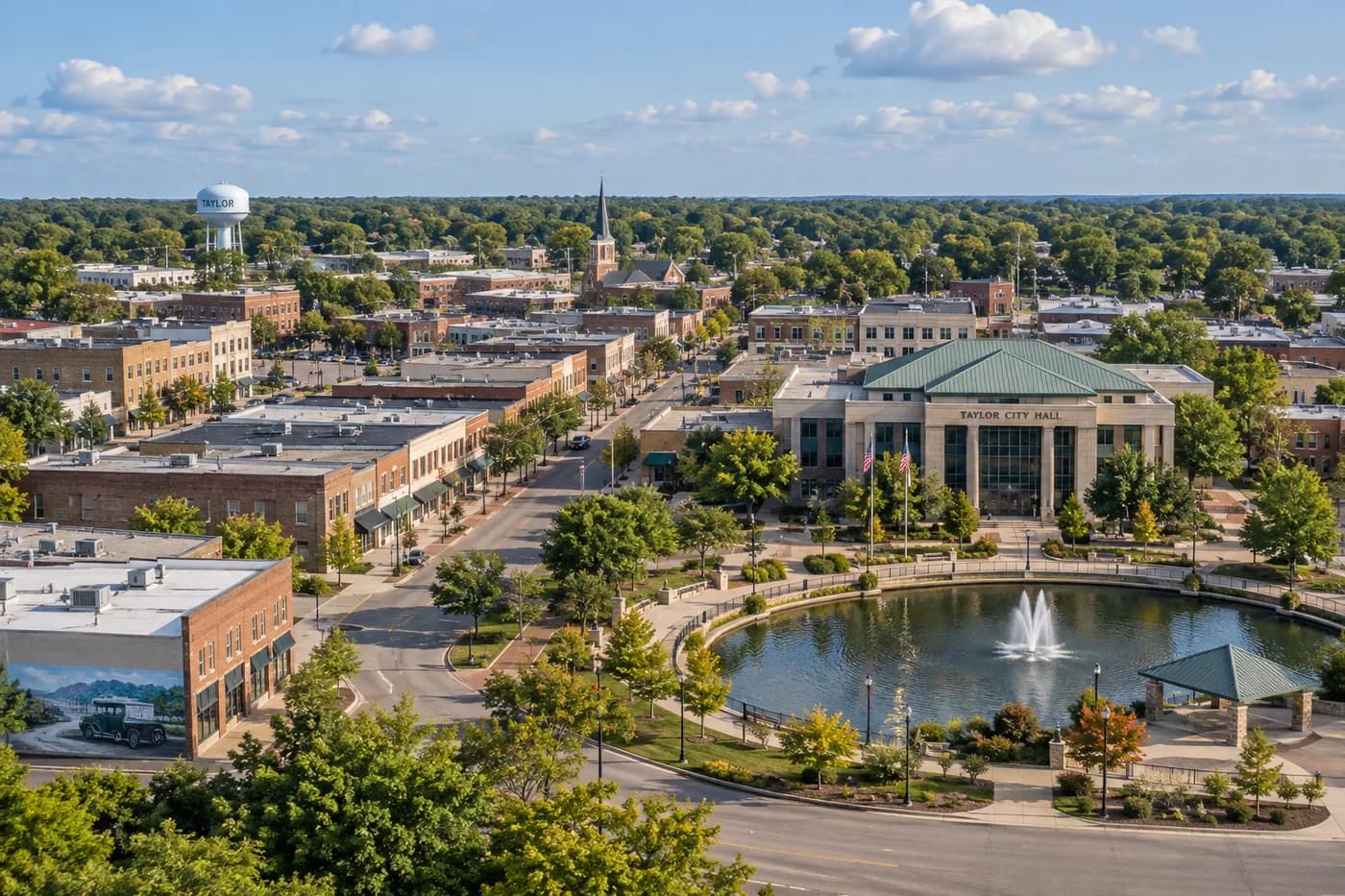
Humid Continental · suburban setting
Read the local guide →
Humid Continental · suburban setting
Read the local guide →
Humid Continental · urban setting
Read the local guide →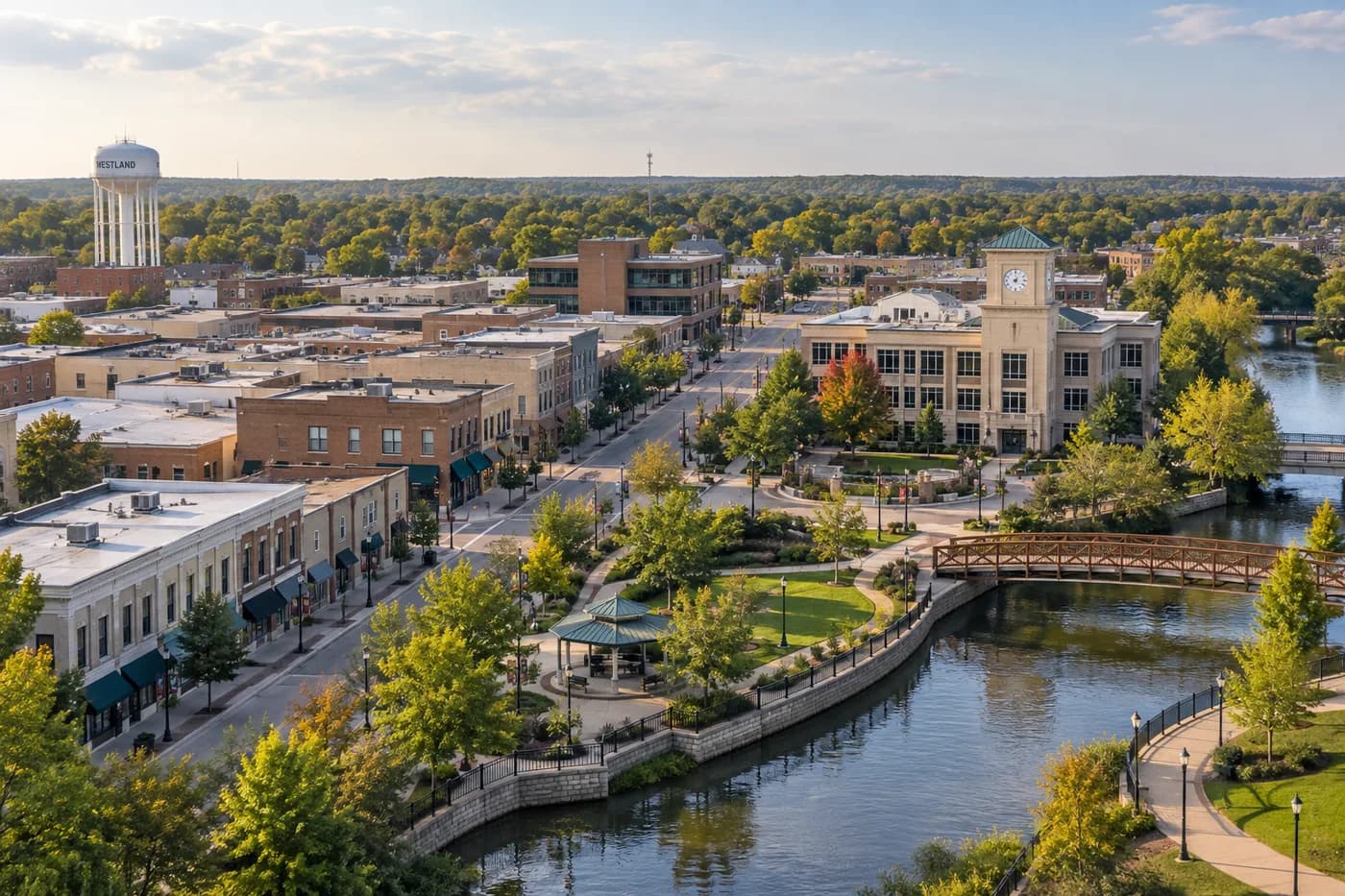
Humid Continental · suburban setting
Read the local guide →
Humid Continental · suburban setting
Read the local guide →
Humid Continental · suburban setting
Read the local guide →